What is the primary function of the upturned rostral scale on *H. nasicus*?
Answer
It acts as a plow, enabling efficient burrowing into loose substrates like sand or loose soil.
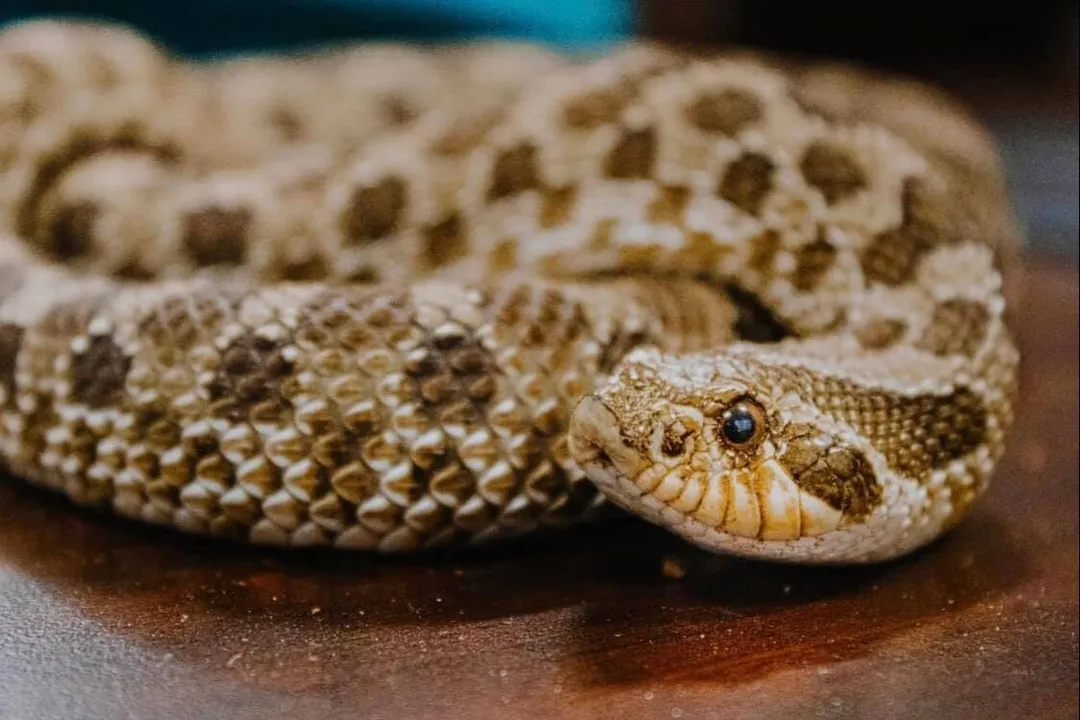
The most prominent morphological feature of *H. nasicus* is its highly specialized, upturned rostral scale located at the tip of its nose. This structure functions essentially as a finely tuned agricultural implement or plow. Its evolutionary purpose is to facilitate the snake's movement and efficient burrowing through soft or loose substrates, such as sandy soils or loose dirt. This specialized digging apparatus grants the Western Hognose a significant advantage in its typical environment, which often includes sandy prairies, allowing it to hunt fossorial prey or seek thermal refuge underground.
Related Questions
What are the three recognized species within the genus Heterodon?What is the primary function of the upturned rostral scale on *H. nasicus*?What is the final defensive act exhibited by the Western Hognose if bluffing fails?How do hognoses inject mild venom secretions into their preferred prey?What constitutes the overwhelming majority of the Western Hognose Snake's diet?How does the rostral scale structure of *H. nasicus* generally compare to *H. platirhinos*?To which major snake family does the Western Hognose Snake belong?What is the initial defensive display strategy employed by the Western Hognose when threatened?Which geographical description fits the distribution of *H. nasicus* across North America?What specific evolutionary advantage does the mild venom provide against favored prey?