Western Diamondback Rattlesnake Evolution
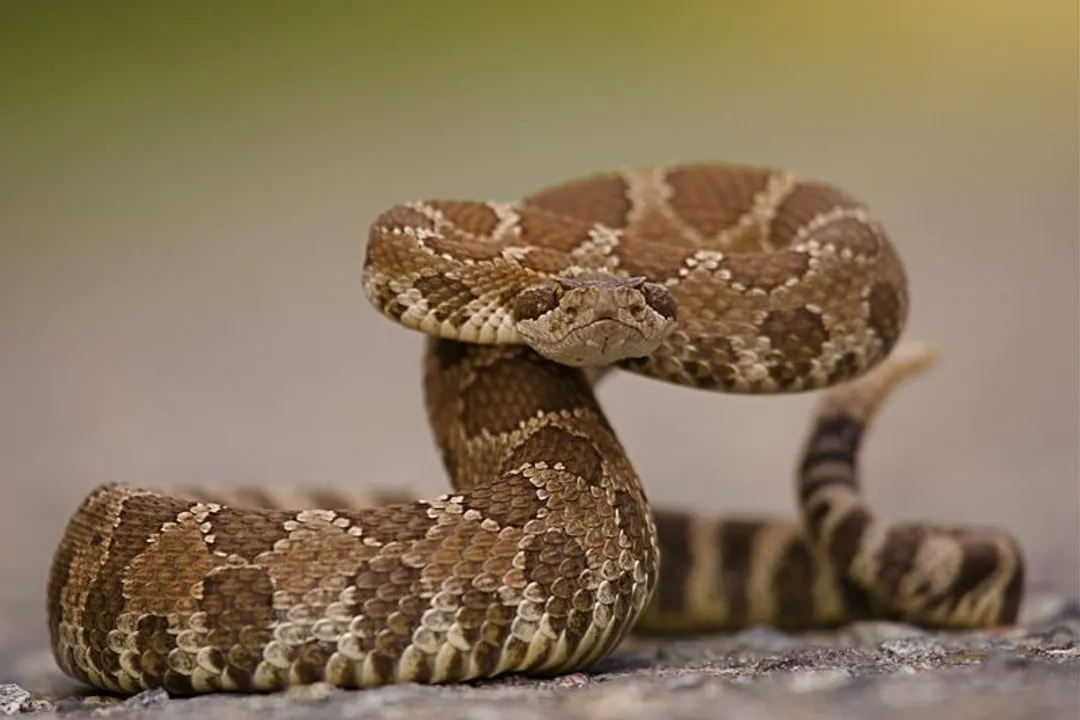
The Western diamondback rattlesnake, Crotalus atrox, commands a significant presence across the arid and semi-arid regions of the southwestern United States and northern Mexico. [5][8] Recognized by its distinctive diamond pattern outlined in lighter scales and the namesake keratinous rattle at its tail tip, this pit viper is a specialized survivor in environments where resources can be scarce. [5] Its very existence is a testament to a long, complex evolutionary history shaped by predator-prey dynamics and geographic shifts, a story that involves both the acquisition and temporary loss of critical traits, like venom. [1][7]
# Viper Lineage
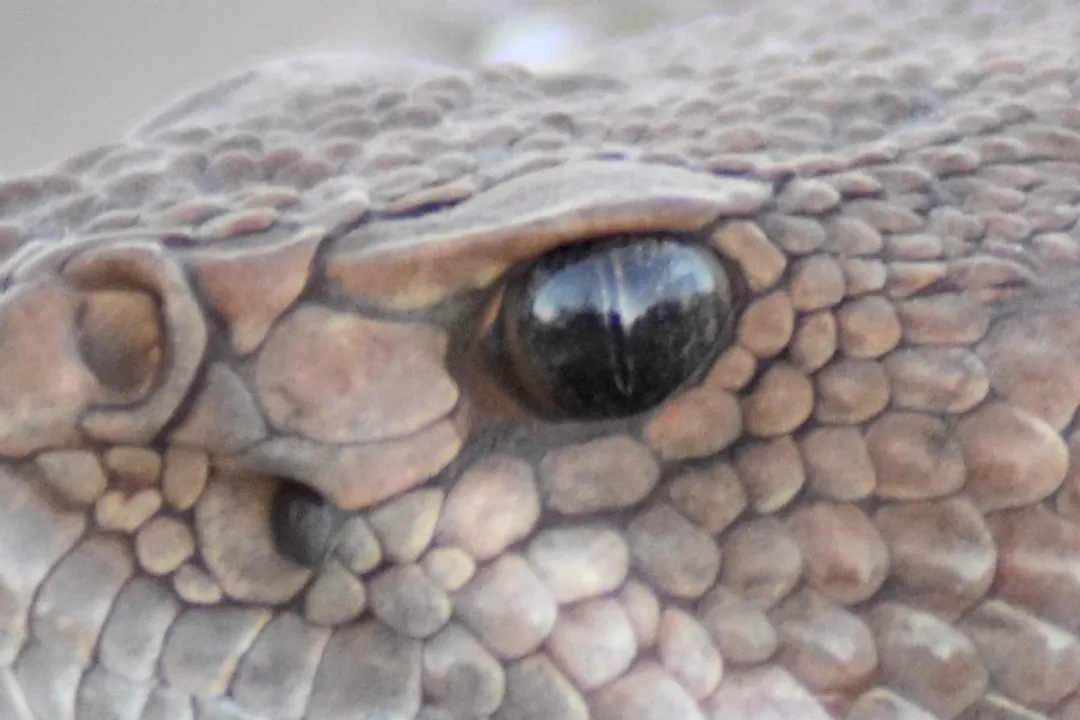
Rattlesnakes belong to the subfamily Crotalinae, often referred to as pit vipers due to the heat-sensing pits located between the eye and the nostril. [3] The evolutionary line leading to the modern Western diamondback has been shaped by significant genomic events, demonstrating that evolution often involves backtracking before moving forward. [1] The evolutionary narrative of rattlesnakes, while impressive for their specialized adaptations, is intertwined with the complex history of venom evolution across all vipers. [2][9]
# Venom Genesis
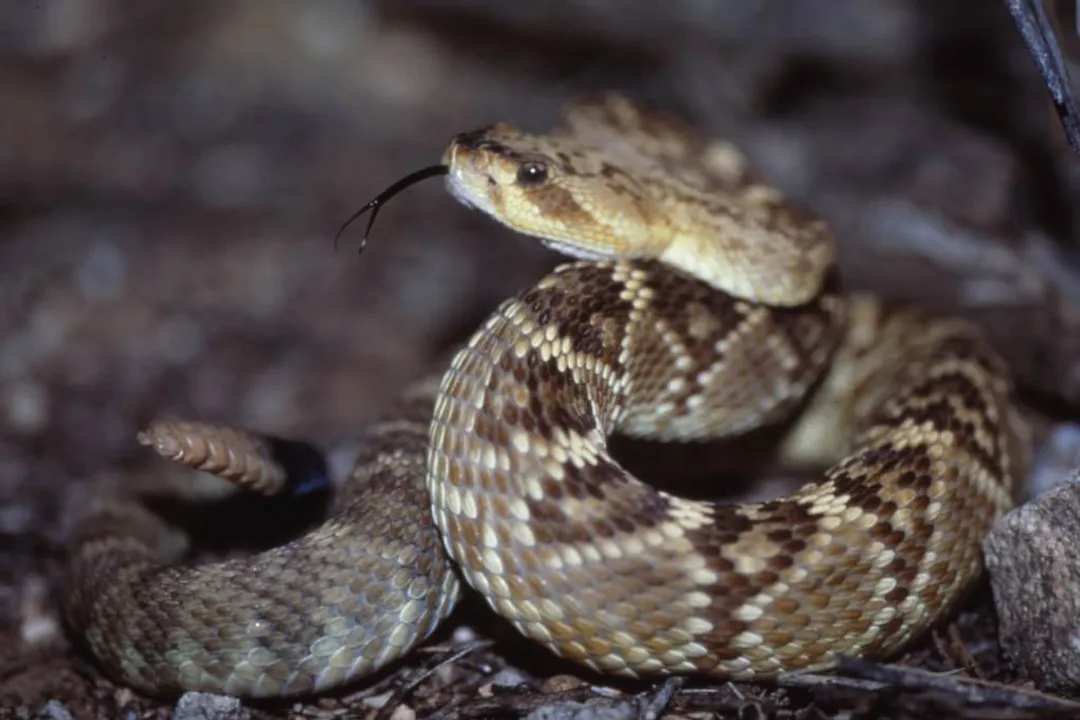
The process by which rattlesnakes acquired their potent venom is surprisingly convoluted. Contrary to a straightforward accumulation of toxins, the ancestral lineage of rattlesnakes actually deleted several key venom-related genes early in their evolution, essentially going through a period of venom loss. [7][1] This ancestral state suggests that for a time, the ancestors of modern rattlesnakes were not venomous in the way their relatives were. [1] This genetic "reset" or reduction happened before the major diversification event that led to the modern, venomous New World pit vipers. [7]
Following this period of loss, the genes responsible for producing toxic saliva were either reacquired or repurposed through duplication events, leading to the development of complex venom systems seen today. [1] The diversification of these venom systems across different groups of pit vipers, including rattlesnakes, highlights strong selective pressures favoring toxicity for prey immobilization and self-defense. [2] In the context of the Western diamondback, its potent venom cocktail is finely tuned for efficiently subduing common prey like rodents, reflecting millions of years of co-evolution with those food sources. [5] This pattern—loss followed by powerful re-evolution—is rare in nature and provides a unique case study in molecular evolution, suggesting that the initial 'loss' may have been tolerated because the ecological niche at that time did not strictly require the full suite of toxins. [9]
# Rattle Development
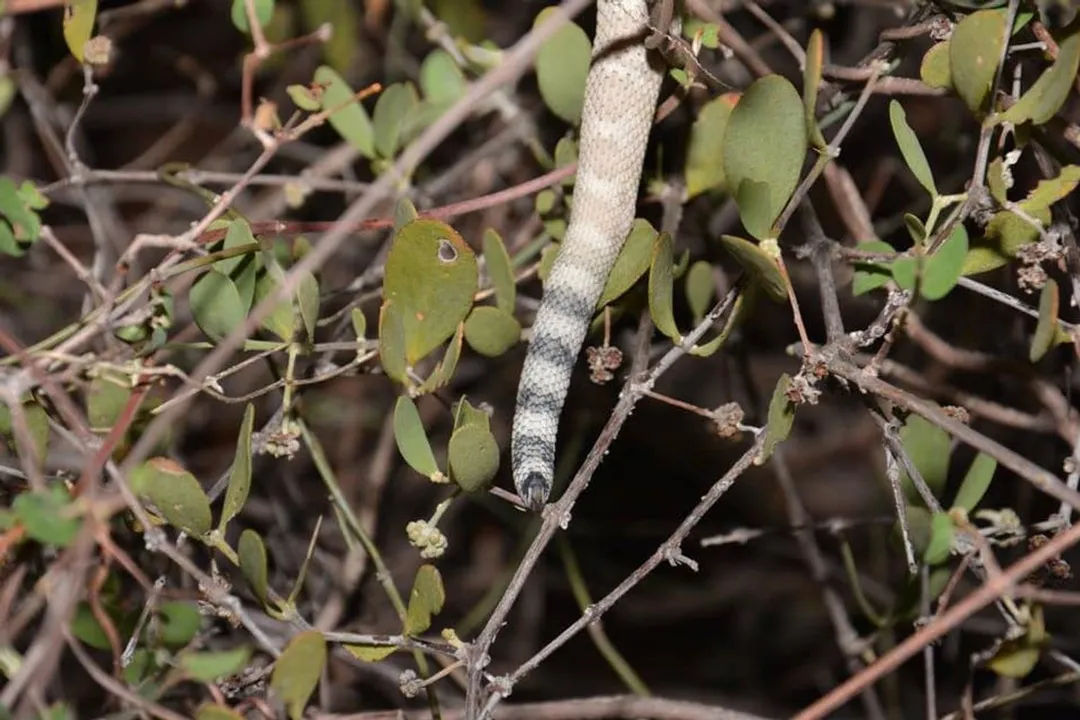
The defining feature, the rattle, is an evolutionary adaptation that serves as an aposematic (warning) signal. [3] The structure itself is composed of interlocking, hollow segments made of keratin, which is the same material found in fingernails and hair. [4] Each time a snake sheds its skin, a new segment is added to the end of the rattle, meaning the number of segments does not reliably indicate the snake's age, as shedding frequency varies. [4] A shed is typically completed by the snake backing out of the old skin, leaving the rattle intact at the end of the shed skin. [3]
The evolution of the rattle likely provided a strong advantage in open, arid environments where visual cues might be obscured by brush or distance, allowing the snake to deter threats without escalating to a costly bite. [3] Contrast this adaptation with other North American pit vipers, like the copperhead or cottonmouth, which lack the rattle entirely, relying instead on camouflage and defensive strikes. [3] The Western diamondback’s strategy, therefore, represents a divergence in anti-predator defense mechanisms within the Crotalus genus.
| Trait | Function | Evolutionary Cost/Benefit |
|---|---|---|
| Venom | Prey immobilization, defense | High metabolic cost to produce, but high payoff in securing food [2] |
| Rattle | Aposematic warning signal | Low cost once established, reduces risk of injury from predators/rivals [3] |
| Patterning | Camouflage | Crucial for ambush predation in varied terrain [5] |
An interesting consideration in evolutionary terms is that the development of a clear acoustic warning system—the rattle—might have permitted certain other traits to evolve differently. For instance, the strong selective pressure to maintain incredibly potent venom might be slightly lessened if the snake can successfully warn off a large mammal before a defensive strike is necessary. While the WDR still possesses potent venom, the presence of the rattle allows for a graded defense response that balances risk and reward. [4]
# Modern Pressures
Contemporary environments, particularly those interacting heavily with human activity, introduce new selective pressures that can influence even long-established traits like the rattle. [4] There is ongoing observation suggesting that some rattlesnakes are becoming quieter or losing segments sooner than expected. [4] One hypothesis posits that in areas with high rates of human interaction or predation by coyotes, snakes that rattle less frequently or have shorter, less noticeable rattles might be less likely to be disturbed or killed. [4] This is a form of human-mediated selection acting on an ancestral behavior.
If a snake is often provoked by humans or livestock and subsequently killed, any genetic predisposition towards a less vigorous or less frequent rattle might become slightly more common in the surviving population over many generations. [4] This isn't necessarily about losing the ability to rattle, but perhaps a shift in the threshold for when that behavior is employed, or even a subtle change in the shed cycle or rattle robustness due to local environmental factors affecting growth and scale health. It is a delicate balance; losing the rattle entirely would remove a major defense mechanism, but tuning its use could be highly adaptive in proximity to roads and ranches. [6]
# Distribution and Niche Success
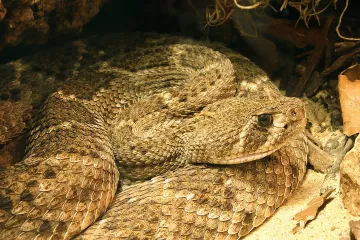
The Western diamondback’s success is closely tied to its physical adaptation to the Southwest. [5] Its coloration, ranging from grayish-brown to reddish-brown, provides excellent camouflage across rocky terrain, desert scrub, and chaparral. [8] They exhibit remarkable physiological adaptations allowing them to thrive in high-temperature environments where many other ectotherms struggle during the hottest parts of the day. Their preferred habitats often include rocky hillsides, deserts, and brushy areas across Texas, Arizona, New Mexico, and into northern Mexico. [5]
A key factor in their long-term survival, often overlooked in discussions focused solely on fangs or rattles, is their behavioral plasticity regarding activity cycles. While they are generally most active during cooler periods—dawn, dusk, and night—especially in the summer heat, this flexibility allows them to exploit resources when competitors might be inactive. [8] This behavioral adaptability complements their specialized physiological and physical tools, ensuring that the WDR remains a stable apex predator in its ecological niche. This ability to shift activity patterns in response to temperature is a subtle but powerful evolutionary tool that allows the species to maintain its range even as local climates fluctuate.
The evolutionary path of the Western diamondback, therefore, is not a straight line toward increasing complexity. It is characterized by significant reversals, such as the ancestral loss of venom genes, followed by the development of two highly effective, specialized tools: a complex, potent venom system and a unique acoustic warning device. [1][3] The continued success of Crotalus atrox in dynamic North American landscapes confirms that this combination, refined over millennia, represents a highly effective survival strategy.
Related Questions
#Citations
How rattlesnakes got, and lost, their venom - UW–Madison News
The Deep Origin and Recent Loss of Venom Toxin Genes in ...
Rattlesnake! | The Evolving Naturalist
Are rattlesnakes evolving to rattle less, or losing their rattles?
Western diamondback rattlesnake - Wikipedia
Evolution of diamondback rattlesnake - Facebook
Rattlesnake Ancestor Was Venom Factory - Live Science
Zoopedia: Western Diamondback Rattlesnake
Phylogeographic structure and historical demography of the western ...