Western Blind Snake Evolution
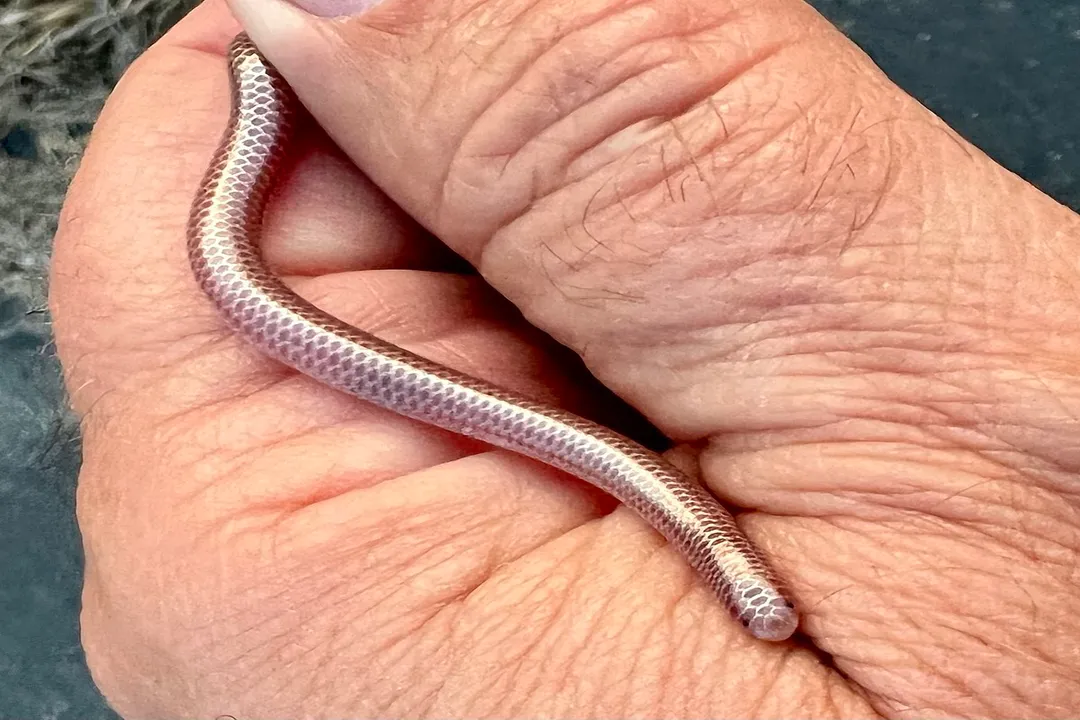
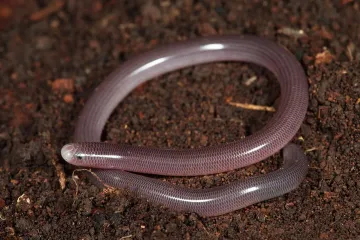
The Western Blind Snake, Rena humilis, presents a fascinating, if somewhat overlooked, chapter in reptilian history. To the casual observer encountering one unearthed in loose soil or unearthed after a desert rain, it appears utterly indistinguishable from a particularly glossy earthworm. This deceptively simple, worm-like form, however, is the culmination of an evolutionary path stretching back into deep geological time, positioning these snakes among the most primitive living squamates. Understanding their evolution requires looking past modern serpentine characteristics and delving into deep time—to when continents were still joined and the lineage diverged from all other snakes.
# Ancient Roots
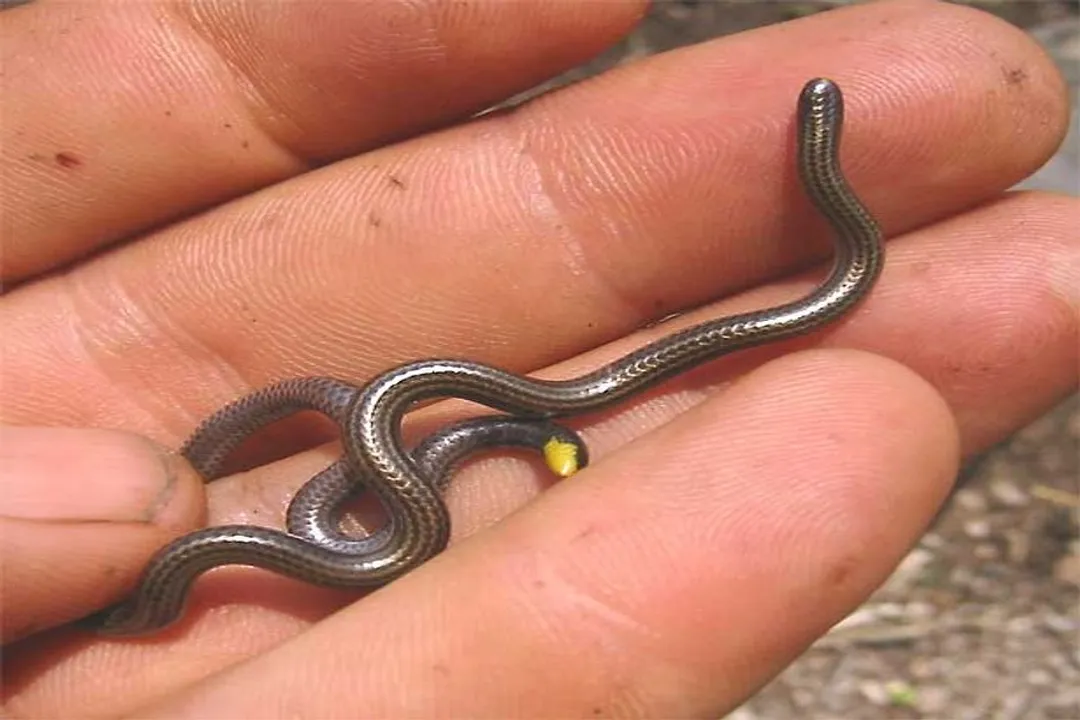
The evolutionary story of the Western Blind Snake begins not with recognizable snakes, but with the Scolecophidians—the infraorder containing blindsnakes and threadsnakes. These snakes represent one of the two major divisions of all snakes, and their antiquity is profound, with molecular studies suggesting their initial diversification began as far back as 150 million years ago (Myr) during the Jurassic and Cretaceous periods. This deep evolutionary split happened around the time the supercontinent Gondwana began to divide into East and West sections.
Molecular evidence suggests that the earliest blindsnake lineages were established on the palaeolandmass known as Indigascar (comprising India and Madagascar). The subsequent evolutionary history of the group mirrors the breakup of this landmass, indicating that initial diversification was heavily influenced by vicariance—the physical separation of populations due to geological events rather than active movement. While threadsnakes are inferred to have originated on West Gondwana (Africa and South America), the Typhlopidae, which includes the Rena genus, show an East Gondwanan origin. Though they possess rudimentary features like vestigial femurs and pelvic bones, hallmarks of their lizard ancestors, they have since specialized completely for a subterranean existence.
# Body Form
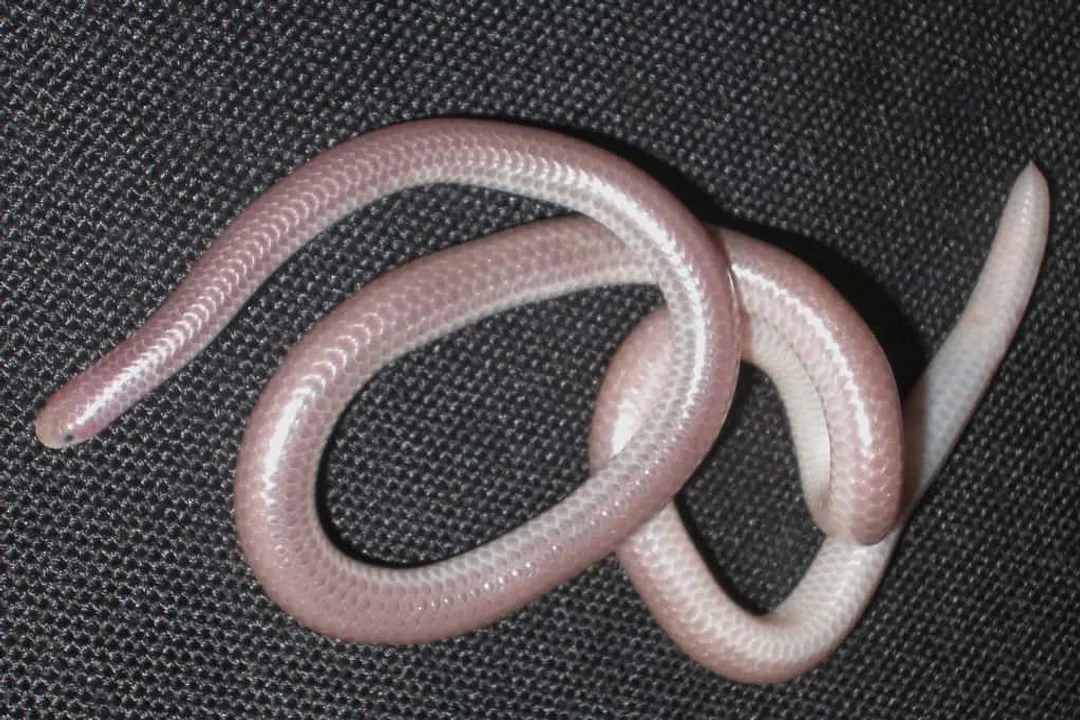
The entire body plan of R. humilis is a testament to life spent beneath the surface, a lifestyle reflected even in its scientific name, humilis, meaning "small" or "ground-dwelling" in Latin. Burrowing demands specific mechanical adaptations, and the Western Blind Snake exhibits several key modifications that distinguish it from more typical snakes.
Their eyes are tiny and mostly vestigial, capable only of distinguishing broad light from dark, which aligns perfectly with an existence spent in perpetual twilight or total darkness. Movement through dense soil is aided by a surprisingly solid skull; unlike many snakes whose skulls are kinetic, allowing them to swallow prey larger than their heads, the blind snake’s skull bones are more fused. This rigidity acts as a powerful wedge to push through the earth. Furthermore, the tail is not merely a rudder; it terminates in a small, hardened spur which the snake can jab into tunnel walls to gain purchase and leverage while pushing forward. Their scales are another critical adaptation: they are tight-fitting, overlapping, and hexagonal, providing a smooth, robust covering that resists abrasion and aids subterranean movement. Unlike many snakes, the belly scales are not noticeably enlarged or specialized for locomotion on surfaces.
# Taxonomic Placement
The placement of Rena humilis within the Scolecophidia reveals a hierarchy of ancient lineages. Scolecophidians are generally divided into three families: Anomalepididae, Leptotyphlopidae (threadsnakes, which includes Rena), and Typhlopidae (true blindsnakes). The Western Blind Snake belongs specifically to the family Leptotyphlopidae, with the genus name Rena deriving from Greek words meaning "slender" and "blind".
While they retain many primitive characteristics, suggesting a deep divergence from other snakes, the Typhlopidae family itself experienced major radiations after the Cretaceous extinction event, around 63 to 59 Myr ago. This radiation suggests that the ecological pressures and opportunities available in the Cenozoic era allowed for the diversification of these specialized lineages, even as their most ancient relatives were already established.
# Oceanic Routes
While continental drift explains the initial deep splits among blindsnakes, molecular dating has revealed a more startling aspect of their evolution: ancient oceanic dispersal. The deep splits within the Typhlopidae are younger than the separation of Africa and South America (which occurred around 100 Myr ago). Yet, molecular phylogenies strongly support a westward transatlantic dispersal event, placing some blindsnake clades in South America that originated from ancestors in Africa. This finding is particularly surprising for organisms that are primarily fossorial and appear ill-suited for long-distance travel.
If we consider the mechanics, this forces an acknowledgement of "rafting" events—the improbable but documented colonization of islands or new continents via floating debris like soil mats or uprooted vegetation. The fact that these journeys, estimated to take up to six months across the Atlantic gap, were successful suggests that the species possessed traits favoring such extreme survival: extremely low metabolic rates and the ability to carry their food supply, or at least survive long periods without sustenance. It serves as a strong reminder that even the most specialized terrestrial lineages are susceptible to large-scale biogeographic events driven by chance oceanic transport when the temporal window is wide enough.
# Prey Dependence
The evolutionary success and modern persistence of the Western Blind Snake are intrinsically linked to one specific ecological relationship: its diet. R. humilis is an obligate carnivore that specializes almost entirely in consuming ants, termites, and their eggs and larvae. This dietary niche dictates where they live—in loose, permeable soils where social insect colonies thrive—and how they behave, as they navigate through tunnels by following insect chemical trails.
This co-evolutionary relationship between the snakes and their social insect prey is a major driver of blindsnake diversification throughout the Cenozoic. As the ants and termites radiated and established new niches across the globe, the blindsnakes appear to have followed suit, filling newly available subterranean micro-environments. Thinking about this specialization critically reveals a potential fragility in their success story. Unlike generalist predators that can switch prey when one population declines, the Western Blind Snake is locked into a tight evolutionary dependence on the health and distribution of its insect hosts. An ecological shift that severely impacts local ant or termite populations—such as extensive pesticide use or habitat alteration that disrupts soil structure—poses a direct, specialized threat to the snake population that is far more severe than it would be for a snake with a broader diet. Their survival is quite literally bound to the success of their underground neighbors.
Ultimately, the Western Blind Snake is an evolutionary success story written in the dark, a creature refined by continental drift, specialized anatomy, and surprisingly successful oceanic voyages, all centered around the subterranean world of social insects.
Related Questions
#Citations
Blindsnake evolutionary tree reveals long history on Gondwana - PMC
Western Blind Snake - Rena humilis - A-Z Animals
Western Blind Snake (Leptotyphlops humilis)
Snakes that Became Worms and Discovered Yachting
Rena humilis - Wikipedia