Western Rat Snake Evolution
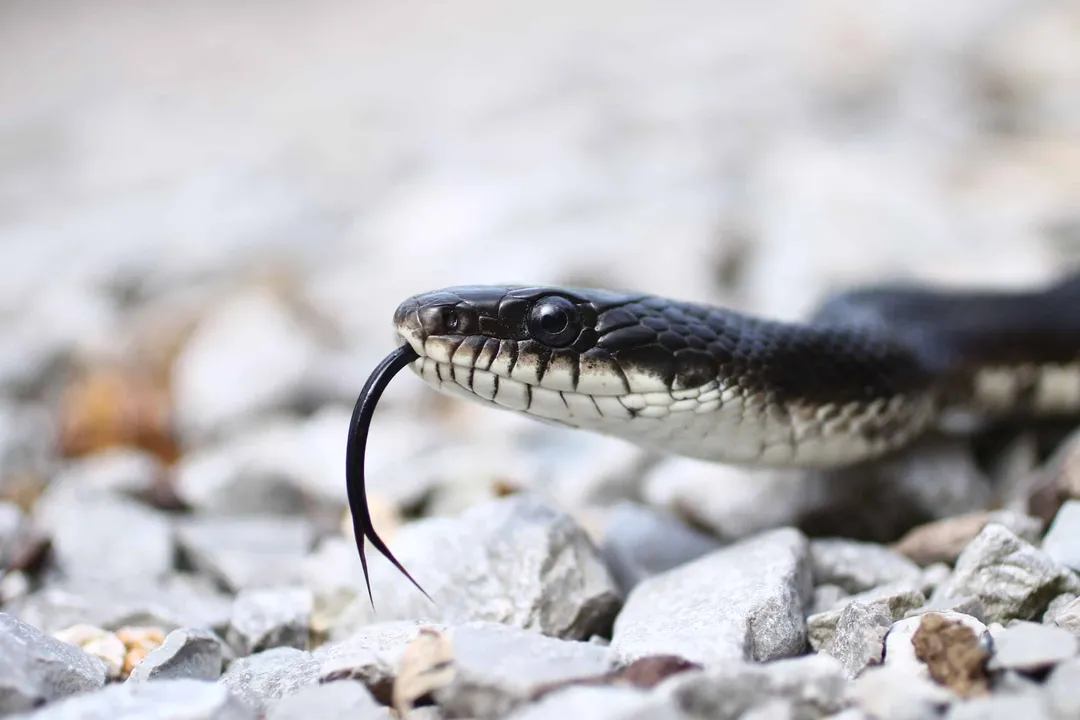
The story of the Western Rat Snake, or Pantherophis obsoletus, is less a straightforward tale of slow, steady change and more a dynamic narrative of scientific revision, driven by the powerful lens of modern genetic analysis. For a long time, the name Pantherophis obsoletus served as a broad, catch-all label for a wide array of large, non-venomous North American colubrids, a taxonomic umbrella that sheltered several distinct populations across vast territories. [1][8] This historical understanding meant that a snake found in Texas might be labeled the same species as one found deep in the eastern forests, despite clear differences in appearance and local adaptation. [5] The actual evolutionary history, however, reveals a more intricate picture of divergence, where populations adapted to different environments across the central and eastern United States began separating into genetically distinct lineages over time. [5][6]
# Naming History
The initial classification and subsequent confusion stem from historical practices where morphological similarity was the primary diagnostic tool. The specific epithet obsoletus itself has a convoluted history, reflecting the taxonomic uncertainty surrounding these large constrictors. [8] Before molecular techniques became commonplace, herpetologists relied heavily on observable traits—coloration, scale counts, and general pattern—to define species boundaries. [5] This led to the grouping of snakes that looked superficially similar or occupied adjacent regions under the P. obsoletus banner. [1] This broad application created what scientists now term a "species complex," a group of closely related species that were once mistakenly lumped together as one. [5] For example, what is now recognized as the Gray Rat Snake (Pantherophis spiloides) was once firmly nested within P. obsoletus. [7]
# The Complex Unravels
The recognition that P. obsoletus represented multiple evolutionary units gained significant traction through systematic biological investigation. Studies focusing on the relationships within the Pantherophis genus began to highlight deep genetic separations among these large rat snakes. [5][6] Specifically, research using molecular data—analyzing DNA sequences—has been instrumental in redrawing the lines of descent. [4][6] These genetic markers provided a much clearer picture of evolutionary distance than external features alone could offer.
One critical finding involved establishing which populations truly represented the original concept of P. obsoletus. Molecular phylogenies have demonstrated that the group traditionally called the Rat Snake, encompassing the Black Rat Snake, the Gray Rat Snake, and the Western Rat Snake, are indeed closely related but distinct evolutionary entities. [5] The work often cited in these revisions helps clarify the relationships, suggesting that the Western Rat Snake, as currently defined, occupies a specific geographic and genetic space separate from its eastern counterparts. [5]
The research published in journals like Molecular Phylogenetics and Evolution often points to significant genetic divergence times between these groups, indicating that the separation is not recent but represents ancient evolutionary splits maintained by geographic isolation or ecological differentiation. [4][6] The evidence strongly supports treating the former P. obsoletus as a complex of species rather than a single, widespread taxon. [5]
# Western Identity
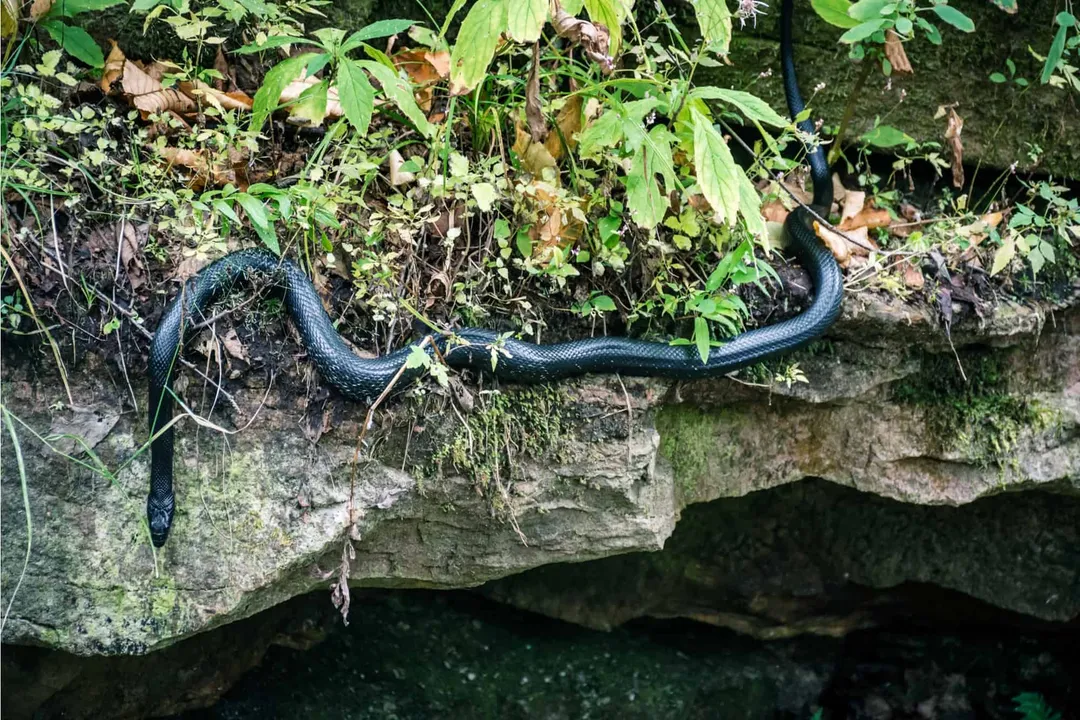
The Western Rat Snake, often recognized now by its scientific designation or as a key member of the complex, is generally associated with the western parts of the former P. obsoletus range. [1] While the historical P. obsoletus ranged from the central United States eastward, the revision often relegates the western populations to the "true" obsoletus or a closely related, newly defined Western Rat Snake species, depending on the specific classification system used at the moment of writing. [5][9] For general readers, the key takeaway is that the snake historically called the Black Rat Snake across much of its range is now often recognized as distinct from the forms found further west and north. [1][5]
In Kansas, for instance, one might encounter a specific population referred to in regional guides, which historically fell under the P. obsoletus umbrella, now perhaps recognized as the Western Ratsnake, Pantherophis obsoletus (sensu stricto), or Pantherophis spiloides depending on location and the specific taxonomic authority being followed, though this highlights the ongoing nature of the revision process. [2] It is important to note that common names frequently lag behind scientific consensus, leading to continued confusion in the field. [5]
# Comparative Evolution
When we examine the divergence within this group, we are essentially looking at how geography shaped adaptation. The three major components often discussed are the Western, Black, and Gray Rat Snakes. [5]
Consider a simplified representation of the species relationships based on the known complex:
| Historical Grouping | Primary Geographic Tendency | Current Status (Generalized) | Key Distinguishing Trait (General) |
|---|---|---|---|
| Western | Central/Southwestern US | Distinct species within the complex | Variable patterns, often blotched or keeled scales [1][5] |
| Black Rat Snake | Eastern/Southeastern US | Often considered P. alleghaniensis [5] | Typically uniform black as adults [10] |
| Gray Rat Snake | Northern/Northeastern US | Pantherophis spiloides [7] | Gray/silver coloration with dark blotches [7] |
The evolutionary pressure likely differed across these regions. In the dense, humid forests of the East, where the Gray and Black Rat Snakes predominate, camouflage against dappled light and tree bark might favor the darker or more contrastingly patterned forms. [7][10] Conversely, in the more varied habitats of the West, which might include more open woodlands or scrubbier environments, a different pattern, perhaps one that breaks up the body outline more effectively, would be advantageous. [5] The genetic work confirms these separations, indicating that the gene flow between these groups has been sufficiently restricted for long enough for them to evolve recognizable differences. [6]
One observation that arises from tracking these splits is how ecological barriers reinforce genetic separation. If the Appalachian Mountains, for instance, acted as a significant barrier preventing interaction between eastern and western populations millions of years ago, that geographic isolation would allow different local selective pressures—predator types, prey availability, climate—to drive the two groups down separate evolutionary paths. The molecular data confirms the timing of these separations, which strongly suggests that ancient biogeographic events laid the groundwork for the distinct species we observe today. [4]
# Field Markers and Identification
For the general observer or citizen scientist, navigating this complex can be challenging because intermediate individuals and localized variations certainly exist. [1][5] While one should never rely solely on appearance for definitive species identification, particularly when a system is undergoing revision, certain tendencies can help orient an observer when they encounter a large, non-venomous snake in the Pantherophis genus.
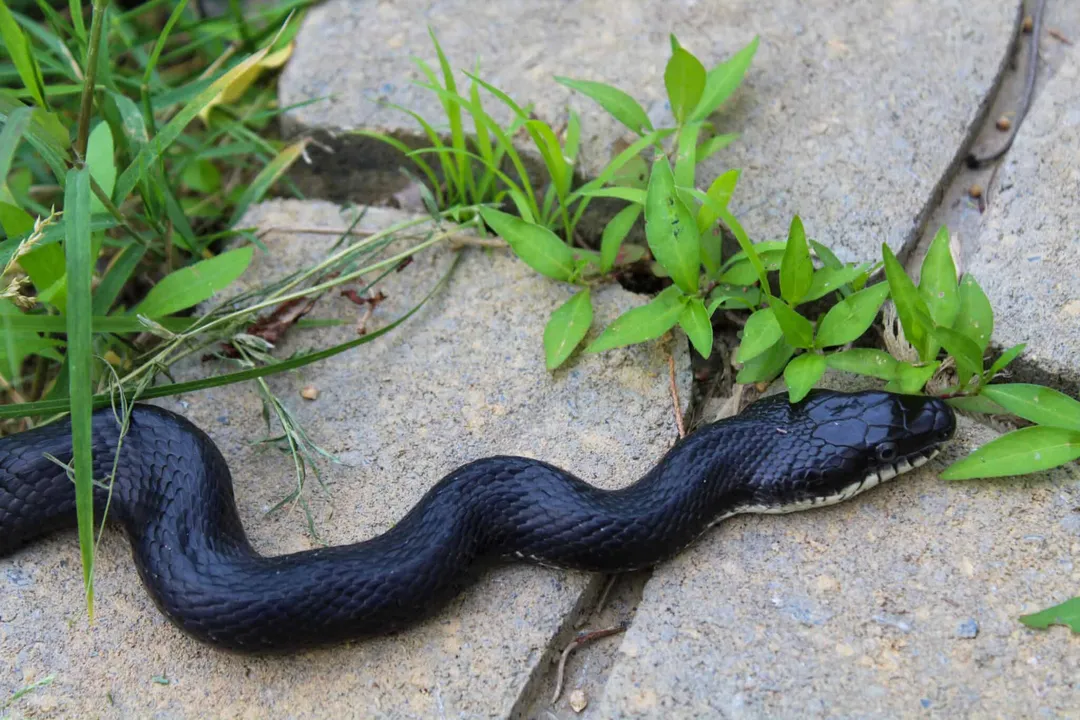
If you are observing a large rat snake that is uniformly dark, almost black, and you are in the eastern or southern part of the former P. obsoletus range, you are likely looking at what is now frequently called the Black Rat Snake (P. alleghaniensis). [10] If the snake exhibits a more silvery-gray ground color with prominent dark saddles or blotches, particularly further north or east, the Gray Rat Snake (P. spiloides) is a strong candidate. [7]
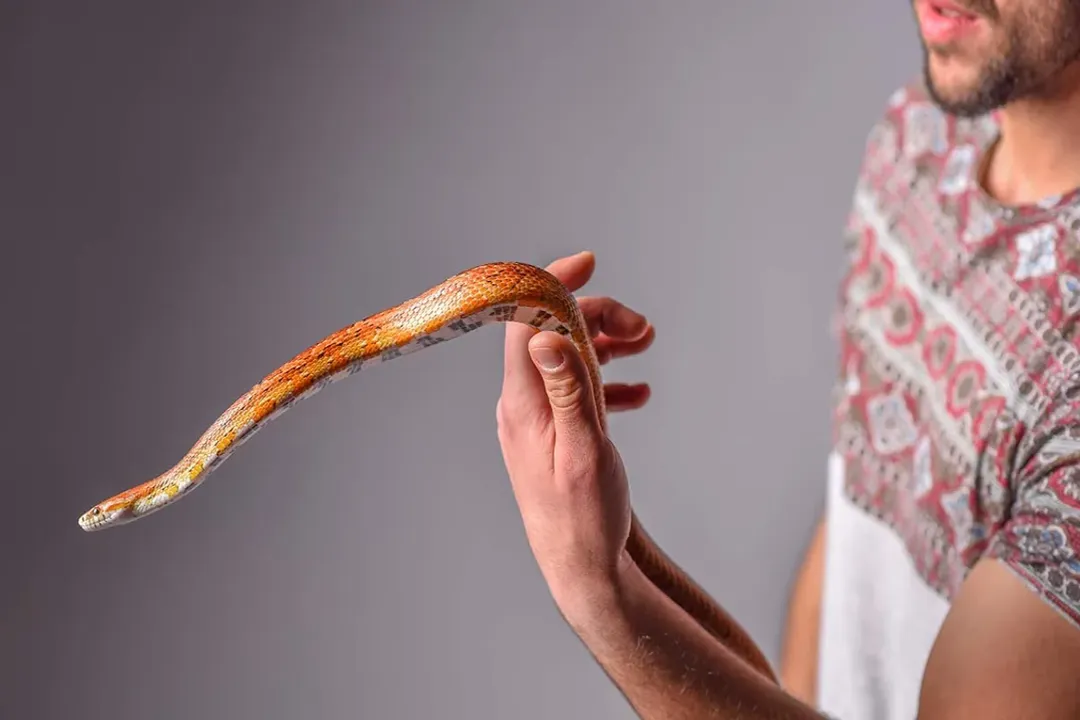
The true Western Rat Snake complex populations, occupying the central and western parts of the historical range, often retain more variation. Juveniles across all these forms frequently display patterns, sometimes blotched or diamond-shaped, which fade as they mature into the adult uniform color (black, gray, or brown/olive tones, depending on the local form). [1][3]
Here is an actionable consideration for enthusiasts trying to map these species: when you see an adult, note the sheen or texture of the scales, even if the color is dark. While the sources confirm that the Gray Rat Snake is distinctly gray or silver, [7] and the Black Rat Snake is black, [10] the Western forms might present with scales that appear more strongly keeled (having a ridge down the center) compared to the smoother appearance of some eastern relatives, although this feature requires close inspection and is subject to regional variation. [1] Paying close attention to juvenile patterning in areas where ranges meet can provide anecdotal evidence of hybridization or recent lineage mixing, which is a fascinating, real-time view of evolution in action.
# Ongoing Classification
The process of species delineation is rarely finished, and the understanding of the Western Rat Snake's evolution is still refined by new genomic data. [6] Taxonomy is a reflection of our current best understanding of evolutionary history, not a statement of ultimate, unchanging truth. [5] Because of the extensive natural overlap and historical connections, hybridization between these closely related species can occur where their ranges abut. [1] Such interbreeding events blur the lines and can complicate genetic analyses, sometimes making it difficult to pinpoint exactly where one evolutionary lineage ends and another begins. [4]
The fact that snakes historically lumped as P. obsoletus are now routinely split into species like P. alleghaniensis, P. spiloides, and a western representative (which might retain the obsoletus name or be designated anew) underscores the power of molecular phylogenetics to reveal hidden biodiversity. [5][7] What this means for conservation is that a species previously thought to be widespread and common might actually be composed of several smaller, more localized populations, each requiring its own conservation assessment based on its unique genetic health and range size. [9] The evolution of the Western Rat Snake is thus a case study in how modern science refines—and often fragments—our traditional view of what constitutes a species. The large, powerful rat snakes, whether western, gray, or black, represent a successful lineage whose diversification across eastern North America is only now being fully mapped out through genetic evidence. [4][6]
Related Questions
#Citations
Pantherophis obsoletus - Wikipedia
Pantherophis obsoletus - Kansas Herpetofaunal Atlas
The Rat Snake Is More Essential Than You Realize | HowStuffWorks
How and when did Old World ratsnakes disperse into the New World?
P. guttatus Complex - Snake Evolution and Biogeography
How and when did Old World ratsnakes disperse into the New World?
Pantherophis spiloides | NatureServe Explorer
Pantherophis obsoletus (Eastern Rat Snake) - Animal Diversity Web
Pantherophis obsoletus - The Center for North American Herpetology
Black Rat Snake Animal Facts - Pantheropis obsoletus