Western Blind Snake Physical Characteristics
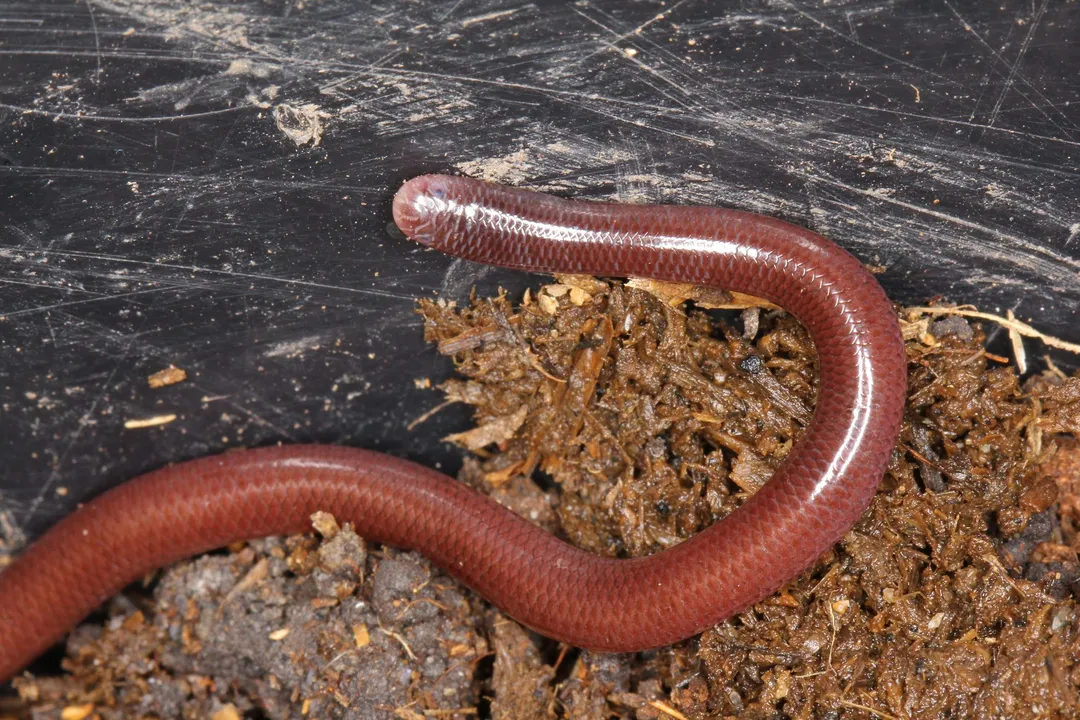
The Western Blind Snake, scientifically known as Rena humilis, presents a surprisingly subtle profile to the outside world, often mistaken for an earthworm or even a strand of dark string due to its diminutive and slender physique. When observed, its physical characteristics immediately set it apart from more common, larger snakes. Its overall impression is one of neatness and uniformity, features finely tuned for a life spent mostly beneath the soil surface. [1][2][7]
# Size Metrics
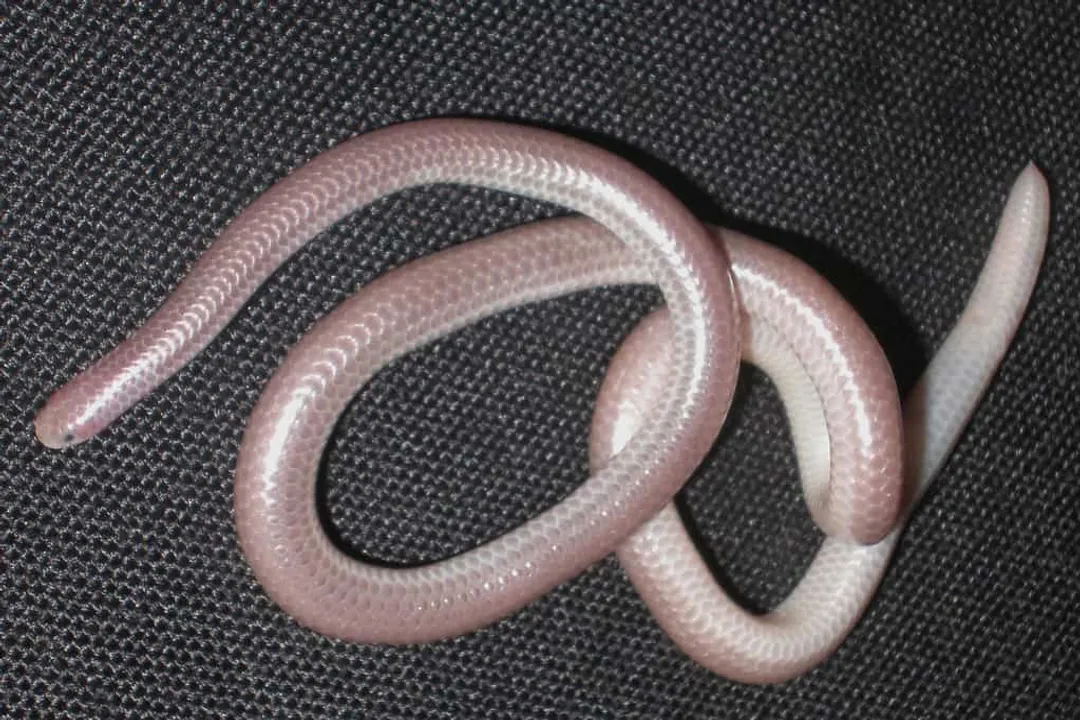
The dimensions of this species are perhaps its most defining initial characteristic. Adults generally range in length from about 7 to 15 inches, though most commonly encountered individuals tend to fall on the shorter end of this spectrum, sometimes averaging closer to 6 to 10 inches in length. [1][7][9] What is perhaps more striking than the length is the snake's incredibly narrow diameter. [2][4] It is famously thin, often compared in diameter to a thick piece of spaghetti or a typical shoelace. [2][7] This extreme slenderness, coupled with its small size, allows it to move through compacted soil and slip into tight crevices with ease. [7] While the maximum reported length occasionally reaches 15 inches, most records hover around 11 inches or 28 centimeters. [2][5][8]
# Scale Texture
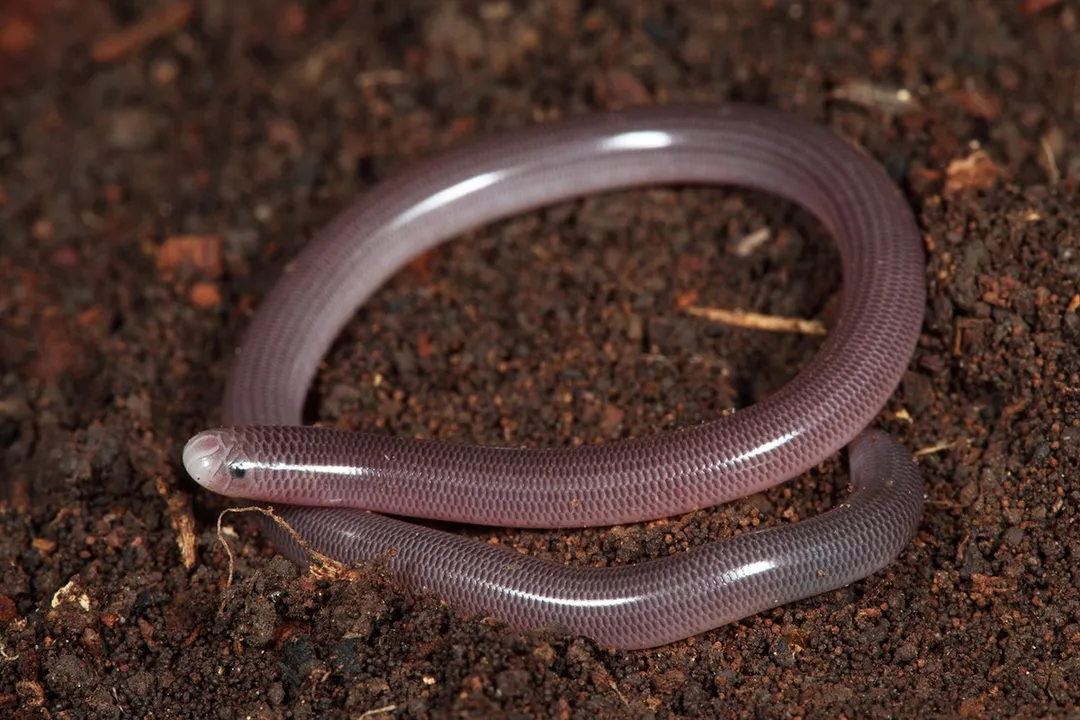
A crucial feature contributing to its sleek appearance is the nature of its scales. The scales covering the Western Blind Snake are distinctly smooth and possess a high degree of glossiness or shine. [1][5][8][9] This texture is far removed from the keeled or matte appearance found on many other reptiles. The smoothness facilitates its subterranean existence, minimizing friction as it burrows through the substrate. [7] It is this combination of diminutive size and glossy, fine scales that often leads to misidentification in the field by those unfamiliar with this specific threadsnake. [1][7]
# Coloration Range
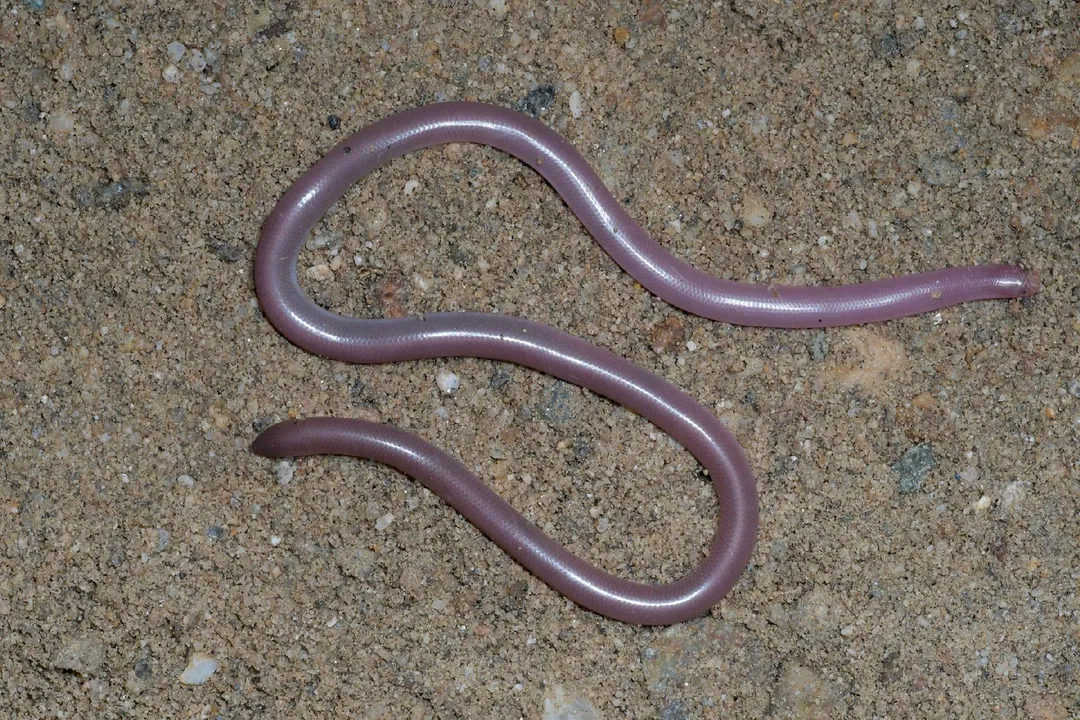
The coloration of Rena humilis displays considerable variability across its range, which necessitates looking beyond color alone for positive identification. [2][8] Generally, the snake presents in muted, earthy tones. [4][9] Common shades include various tints of brown, gray, and sometimes reddish-brown. [1][2][8] Some individuals might exhibit a more pinkish hue, depending on their immediate environment and hydration levels. [1][5][9] A subtle feature often noted is the presence of dark speckling scattered across the body, adding a fine texture to the otherwise uniform base color. [2] Conversely, the belly region is frequently described as being lighter in coloration than the dorsal side. [4] This adaptable palette suggests a degree of camouflage, even though the snake spends most of its life out of sight, indicating that when it does surface—perhaps after heavy rains or when disturbed—blending with soil and leaf litter is still important for avoiding predators like birds. [8][9]
# Head Features
The head structure of the Western Blind Snake is rudimentary when compared to active surface-dwelling snakes. It is not distinctly separated from the neck, leading to a relatively uniform profile from snout to body. [2] Its mouth is small, reflecting its diet of soft-bodied invertebrates like ants and termites. [1]
# Vestigial Eyes
One of the most telling characteristics is the appearance of its eyes. They are extremely small, often described as vestigial. [7][8] Furthermore, these tiny eyes are not externally visible as distinct organs; instead, they are covered by overlying scales. [1][2][7] This adaptation strongly supports its fossorial nature, as functional vision would offer little advantage when navigating dark soil tunnels. [2] If one were to examine a specimen closely, they might notice a faint, dark spot beneath the scale where the eye is located, but for casual observation, the eyes are effectively hidden. [1][9]
# Tail Structure
The tail provides another key diagnostic feature for this species. Like the head, the tail is blunt and appears rounded at the terminus. [1][5] However, upon closer inspection, the very end of the tail is typically marked by a tiny, sharp point or spine. [2][7][8] This terminal spine is a consistent feature of the Rena genus and is not used for defense in the way a rattle or sharp stab might be, but rather aids in anchoring the body slightly while moving through tight spaces underground. [2][7] The bluntness of the tail, paired with the smooth body, contributes to the general snake-like silhouette, though its narrowness remains the distinguishing factor. [1][9]
# Comparative Insight
It is useful to contextualize the Western Blind Snake's physical design against its close relatives or superficially similar creatures. While often confused with true Blind Snakes (Typhlopidae) or even large earthworms, the Rena humilis possesses unique scale characteristics. [6] True Blind Snakes often have scales arranged in a more uniform pattern around the body, whereas the threadsnakes have slightly larger scales on the top than on the bottom, though both share the overall smooth, glossy appearance. [2] Understanding that this snake is non-venomous and lacks the broad, triangular head shape associated with many pit vipers is important for human interaction. [1][7] Its entire morphology—the slender body, smooth scales, and hidden eyes—points exclusively toward a specialized existence tunneling through soil, eating small insects, and remaining hidden from the daylight world. [2][7] This specialization means that its physical traits are not optimized for display or defense above ground, but purely for efficiency in its preferred habitat, making its small, shiny appearance an adaptation to subtraction rather than addition of features. [8][9]
Related Questions
#Citations
Western Blind Snake - Rena humilis - A-Z Animals
Rena humilis - Wikipedia
Meet the Western Blind Snake ! Rena humilis, known commonly as ...
Western Blind Snake - Facts, Diet, Habitat & Pictures on Animalia.bio
NMHS - Leptotyphlops humilis - New Mexico Herpetological Society
Blind Snake - The Australian Museum
Western Threadsnake - Malibu Creek State Park
Western Threadsnake - Nevada Department of Wildlife
Wildlife Around Las Vegas, Western Blind Snake (Rena humilis)