Worm Snake Evolution
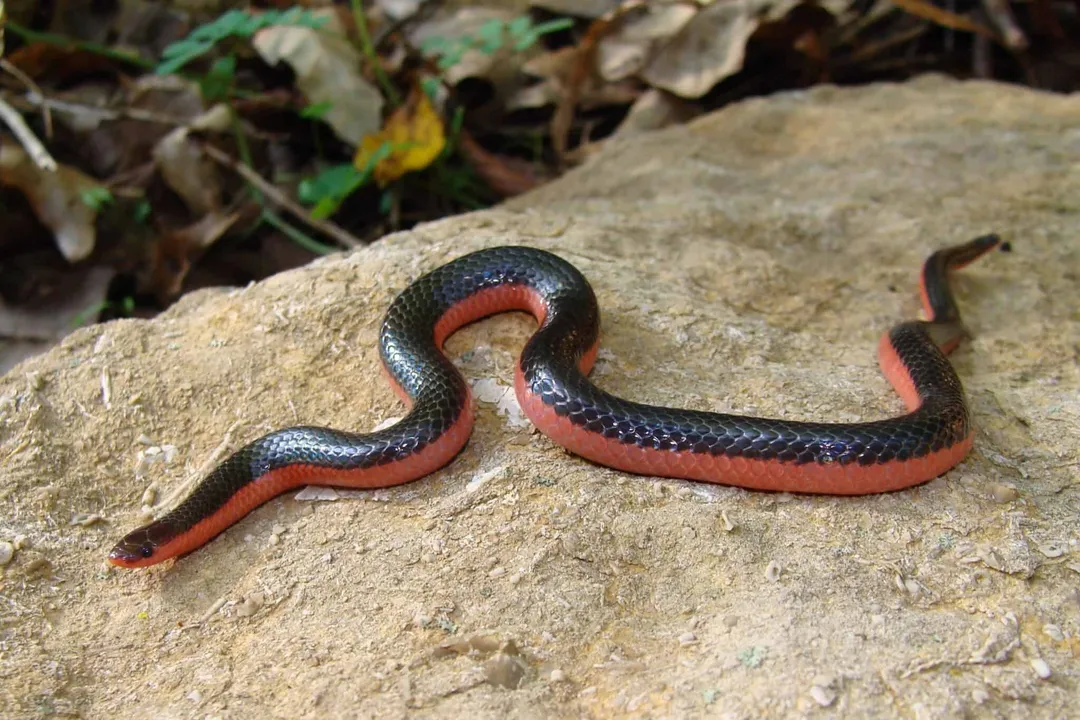
The term "worm snake" often conjures images of a simple, earthbound creature, perhaps mistaken for an actual annelid worm or an early, underdeveloped reptile. These small, secretive snakes, such as those found in North America, possess a morphology so specialized for burrowing that their ancestry can seem distant and mysterious. [7][10] Tracing the evolution of these diminutive specialists requires looking not only at their immediate relatives but also at the deep history of snakes as a whole—a story involving dramatic limb loss and ancient origins millions of years in the past.
# Snake Origins
The evolutionary roadmap for snakes involves a significant period of divergence from other lizards, characterized by the gradual, or perhaps relatively swift, abandonment of limbs. [3] While popular understanding might suggest snakes evolved from fully terrestrial lizards, or perhaps from fully marine ancestors, the fossil record and modern genetic analysis offer a more nuanced picture. [9] One prevailing hypothesis suggests that snakes evolved from a lineage of burrowing lizards, meaning the initial selection pressure likely favored an underground existence, which subsequently led to limb reduction. [9]
Recent genetic work has provided a fascinating glimpse into the immediate ancestry of the group that includes nearly all living snakes, including our worm snakes. Research indicates that the vast majority of extant snakes share a surprisingly recent common ancestor, sometimes colloquially referred to as "one blind grandpa". [5] This suggests a rapid diversification event stemming from a single lineage that successfully navigated earlier extinction events or environmental shifts. [5] The scientific community continues to refine the precise timing of this event, with some molecular clock estimations placing the origin of the crown snakes around 100 to 150 million years ago, though fossil evidence remains sparse for the earliest forms. [3][9] The divergence between snakes and their closest living relatives, the lizards, occurred substantially earlier. [3]
# Limb Loss
Losing limbs is a significant evolutionary step, and snakes are not unique in achieving a serpentine body plan; they share this adaptation with other groups, though through entirely different genetic pathways. Consider the Caecilian, an amphibian group that is completely limbless and often mistaken for a large earthworm or a small snake. [4] The evolutionary history leading to the limblessness of a caecilian is entirely separate from that of snakes, which belong to the reptile order Squamata. [4] This is a textbook example of convergent evolution, where similar environmental pressures—in this case, burrowing life—result in superficially similar forms in unrelated groups. [4]
Within the reptilian lineage leading to modern snakes, the mechanism of leg loss has been a subject of intense study. While some ancient fossil snakes, like Najash rionegrina, retained small hind limbs, modern snakes lack external limbs entirely. [3] The ancestors of worm snakes, being highly specialized burrowers, likely inherited this trait from a common ancestor that had already undergone significant limb reduction, perhaps resembling a legless lizard before evolving into a true snake. [3] The process wasn't necessarily slow; studies analyzing developmental genetics suggest that gene changes affecting limb development could have been highly efficient in producing the limbless state once the selective pressure was strong enough. [9]
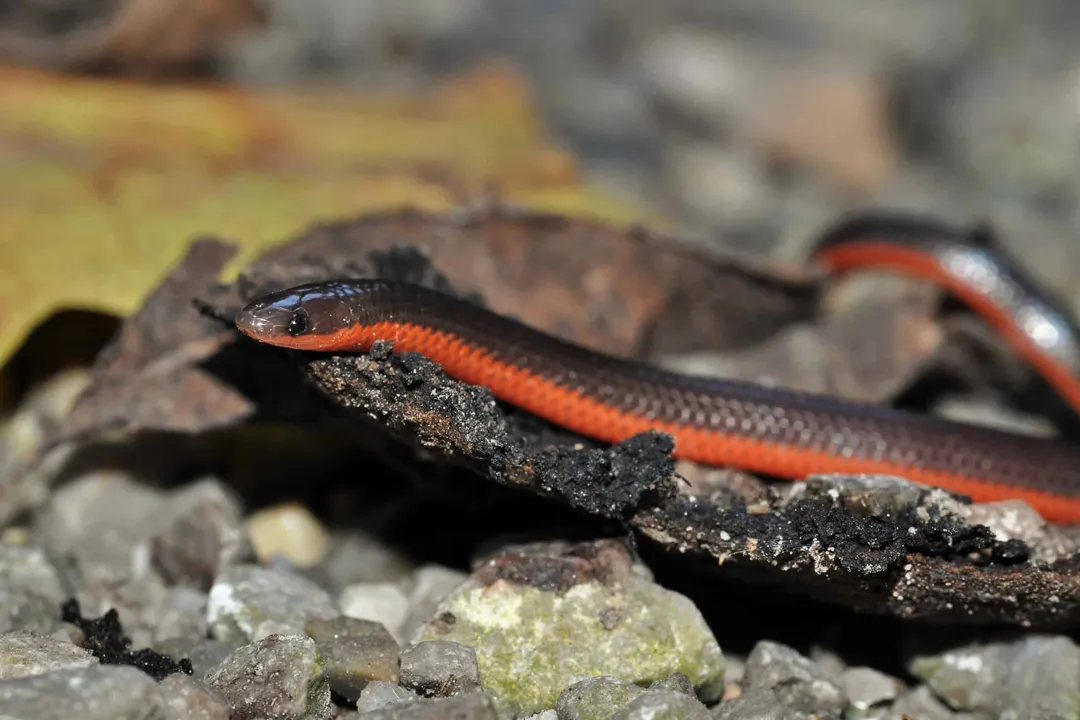
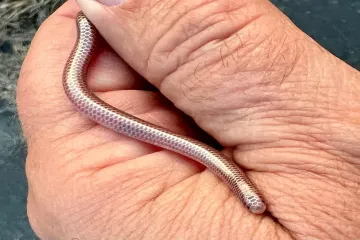
For the modern worm snake, the remnants of this ancient adaptation are seen in its specialized body. They are often small, sometimes less than 10 inches long, with a smooth, cylindrical body resembling an earthworm. [7][10] This morphology is crucial for their lifestyle.
# Specialized Form
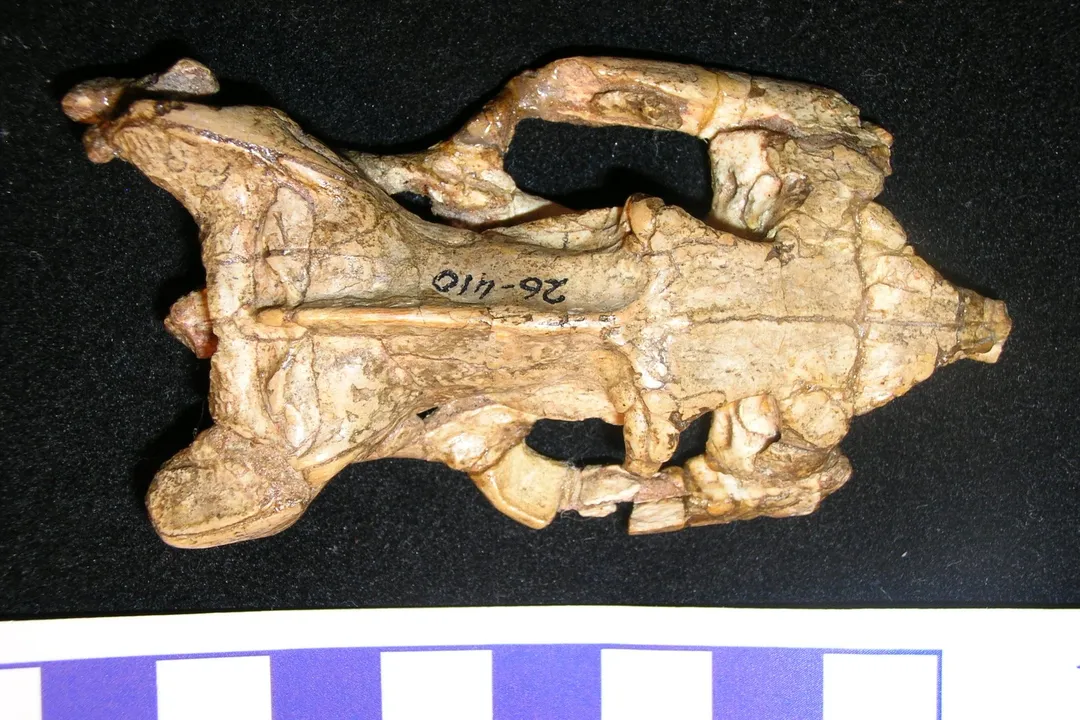
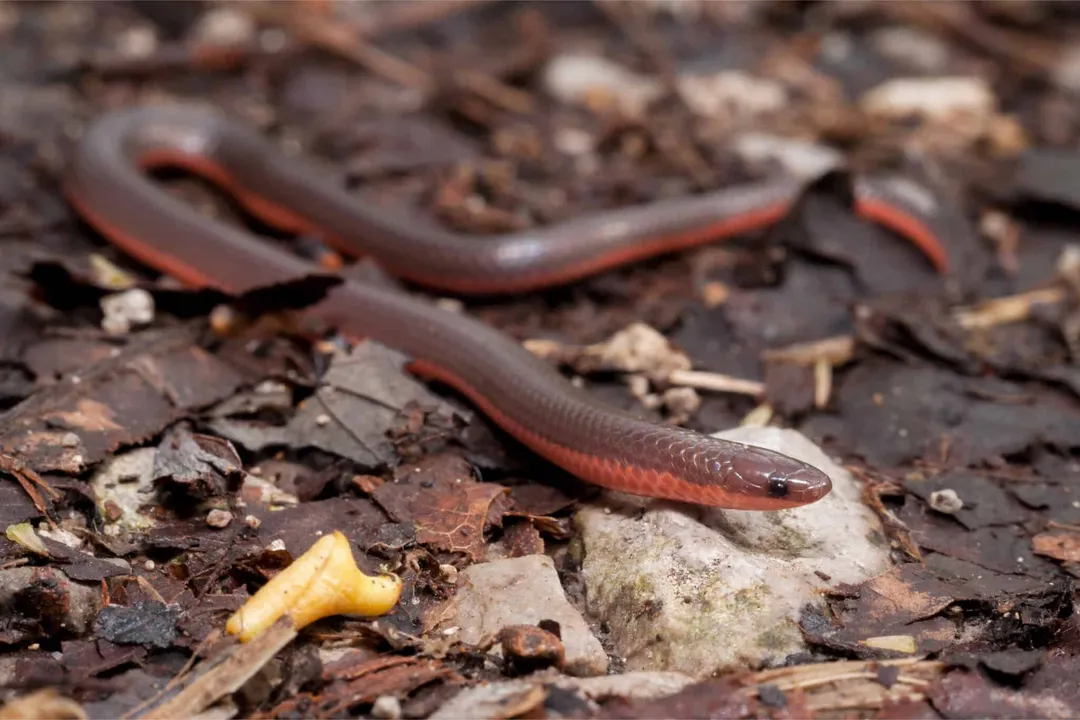
The anatomy of the worm snake reflects an extreme commitment to its fossorial niche. Unlike many surface-dwelling snakes, worm snakes have incredibly rigid skulls and reduced, often single, teeth on the lower jaw. [7] This physical adaptation is directly tied to their diet, which consists almost exclusively of soft-bodied invertebrates, particularly earthworms. [7][10] Their pointed, bony head acts like a battering ram, allowing them to push through soil with surprising efficiency. [7]
When comparing the worm snake to other limbless reptiles, like the Giant Slow Worm (which is actually a legless lizard, not a snake, though sharing the elongated form), [2] we see divergent evolutionary paths even within the limbless concept. The slow worm lineage has retained some reptilian features that distinguish it clearly from snakes, highlighting that the overall snake body plan involved specific skull and jaw modifications that went beyond just shedding legs. [2] The rigidity of the worm snake’s head, for instance, contrasts with the typical kinetic skull of many snakes, which allows for swallowing large prey. [7]
If we look at the scale of evolutionary time, the specialization that created the worm snake is relatively recent, arising after the major phylogenetic radiation of modern snakes. [5] This leads to an interesting point: since the main snake family tree stabilized after the "one blind grandpa" event, [5] the subsequent evolution of worm snakes represents an intense period of adaptation to a specific ecological role—soil penetration and earthworm consumption—within a successful, established group. It's an example of evolutionary refinement rather than a radical divergence from the reptilian line itself.
# Local Adaptations
Considering the environments where these snakes live, such as the Southeastern United States, their specialized digging ability is an advantage in soils that may be seasonally damp, encouraging the presence of their invertebrate prey. [7][10] A fascinating observation when considering the soil environment versus the general snake phylogeny is how little genetic drift or morphological change might be needed for a terrestrial snake lineage to become highly fossorial once the selective pressure is uniform. Given that the ancestors of these snakes were likely terrestrial or semi-fossorial lizards to begin with, [3] the pressures of hunting soft prey underground—requiring a small diameter, reduced eye size (which worm snakes possess), [7] and a reinforced snout—could lead to the "worm-like" appearance quite quickly over several million years of adaptation.
It is also worth noting that while the BYU research points to a single major ancestor for most living snakes, [5] there is still scientific debate about the earliest splits. For instance, some analyses suggest that the Scolecophidia (blind snakes, which are morphologically similar to worm snakes in some ways) split off very early, possibly even before the emergence of the main terrestrial/marine groups. [3] If worm snakes belong to a lineage that separated very early from the main snake radiation, their morphology might represent a retention of ancestral traits favoring fossorial life, rather than just a recent, rapid specialization away from larger, surface-dwelling snakes. However, current molecular evidence often groups them closer to other non-venomous snakes, favoring the rapid specialization hypothesis within the established snake group. [5]
The divergence in morphology between something like a large constrictor and a tiny Carphophis highlights the sheer plasticity of the reptilian body plan when subjected to different environmental demands over deep time, even if the fundamental snake characteristics—like the loss of eyelids and external ears, and specialized jaw structures—remain present across the board. [7] The worm snake, therefore, is not just a miniature snake; it is a highly refined biological tool engineered by evolution for a subterranean existence.
#Videos
Worm Snakes | Evolution: The Animated Series | Video for kids
Related Questions
#Citations
At what age do worms become snakes? : r/shittyaskscience - Reddit
Record-Holding Champion Giant Slow-Worms - Tetrapod Zoology
Repeated evolution of limblessness and digging heads in worm ...
Caecilian - Wikipedia
Researchers Discover Most Snakes Come From One Blind Grandpa
Worm Snakes | Evolution: The Animated Series | Video for kids
It's Easy to Mistake a Worm Snake for an Earthworm | HowStuffWorks
The twists and turns in snake evolution - Australian Geographic
Repeated evolution of limblessness and digging heads in worm ...
Worm Snake - A-Z Animals