What is the final defensive act exhibited by the Western Hognose if bluffing fails?
Answer
Thanatosis, or death feigning.
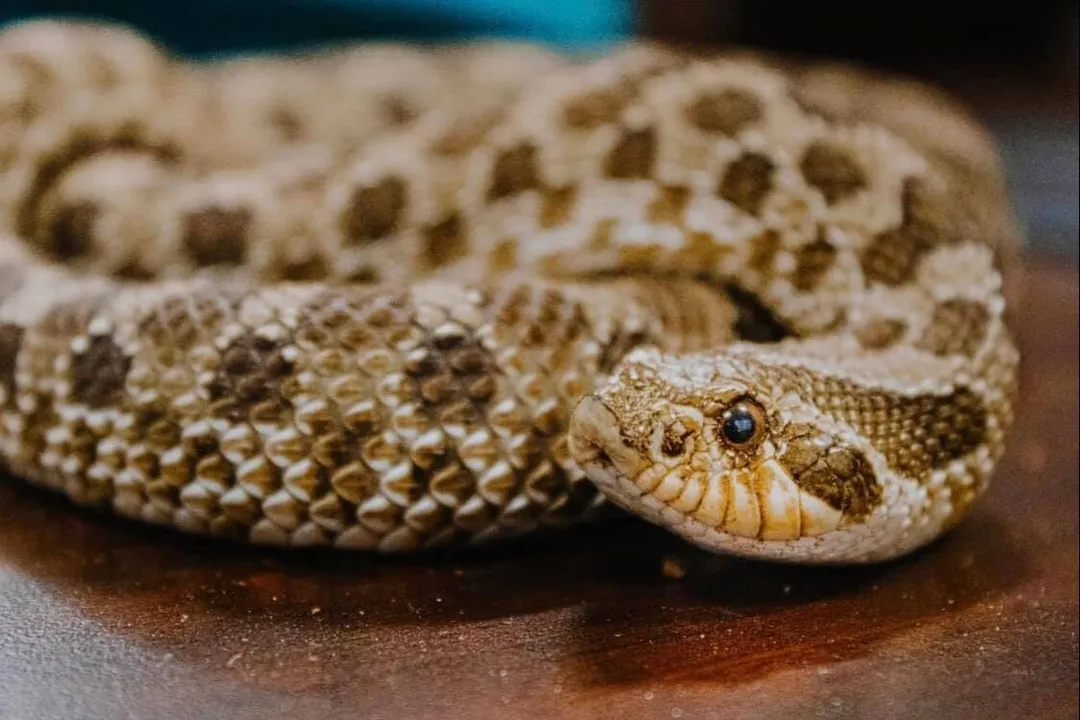
The defensive behavior of the Western Hognose is characterized by an escalation system designed to avoid actual physical conflict. If the initial display—flattening the body and hissing loudly—does not deter a predator, the snake progresses to its final performance, known as thanatosis. This behavior involves dramatic death feigning, where the snake rolls onto its back, allows its mouth to gape open with the tongue lolling out, and may even release a foul-smelling musk. This theatrical display aims to convince mammalian predators that the prey is diseased or already deceased, thereby removing the motivation for the predator to continue the attack, which is a successful strategy rooted in behavioral mimicry.
Related Questions
What are the three recognized species within the genus Heterodon?What is the primary function of the upturned rostral scale on *H. nasicus*?What is the final defensive act exhibited by the Western Hognose if bluffing fails?How do hognoses inject mild venom secretions into their preferred prey?What constitutes the overwhelming majority of the Western Hognose Snake's diet?How does the rostral scale structure of *H. nasicus* generally compare to *H. platirhinos*?To which major snake family does the Western Hognose Snake belong?What is the initial defensive display strategy employed by the Western Hognose when threatened?Which geographical description fits the distribution of *H. nasicus* across North America?What specific evolutionary advantage does the mild venom provide against favored prey?