Zebra Snake Evolution
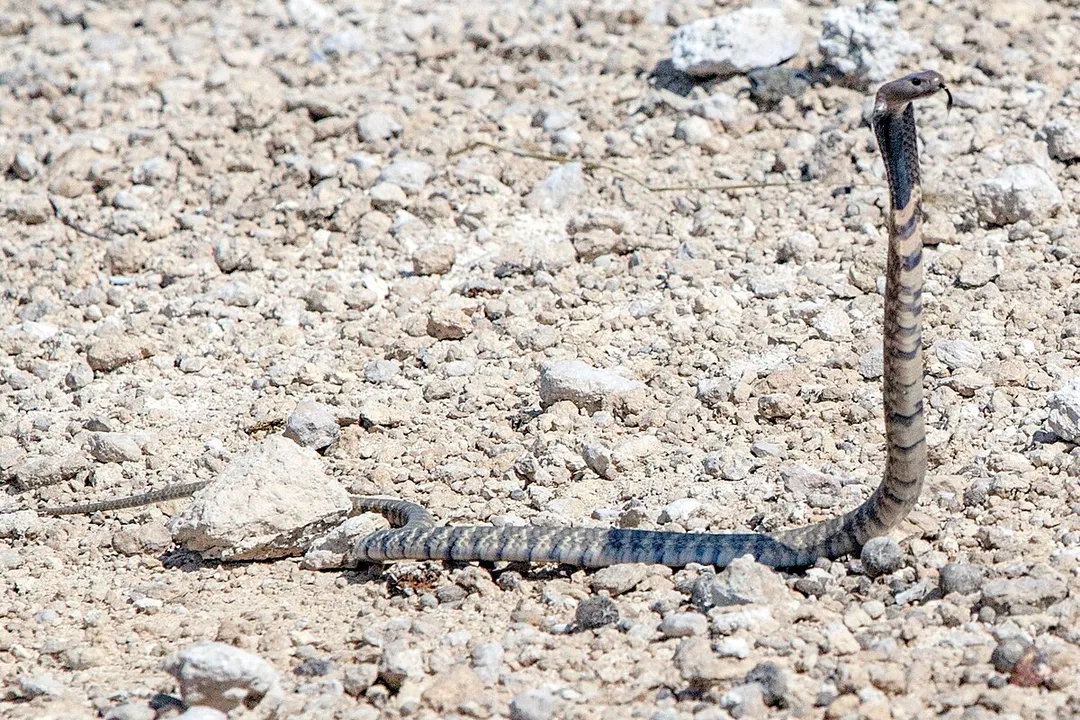
The term "Zebra Snake" often points toward a specific reptile found in the arid regions of southern Africa: Naja nigricincta, the Western barred spitting cobra. While a deep dive into its million-year evolutionary timeline might be obscured in general literature, the creature’s very existence showcases recent, observable evolutionary shifts, particularly in its classification and striking visual presentation. Understanding the "evolution" of this snake begins with understanding how it came to be recognized as distinct from its relatives, the black-necked spitting cobra (Naja nigricollis).
# Taxonomic Split

For a time, Naja nigricincta was classified merely as a subspecies of Naja nigricollis. This historical classification highlights a key step in evolutionary understanding: the recognition of morphological and, more importantly, genetic differences sufficient to warrant elevation to a full species status. Such a revision indicates that the lineage leading to the barred cobra had sufficiently diverged from the nigricollis complex to warrant independent recognition. This separation, documented through scientific review, suggests the development of reproductive isolation or unique adaptive traits in specific geographic areas that solidified its status as a separate evolutionary unit.
The scientific name itself offers clues; Naja is the genus for cobra, while nigricincta translates roughly to "black banded," referencing the distinctive markings. This creature is native to the deserts and drier environments spanning southern Angola, Namibia, Botswana, and South Africa. Its lifestyle, largely nocturnal and often seen crossing roads after dark, has shaped its immediate ecological interactions.
# Subspecies Variation
Even within the species Naja nigricincta, evolution continues to manifest in geographically separated populations, evident in the two recognized subspecies. This intraspecific difference provides a neat, small-scale case study in how local pressures can refine physical traits.
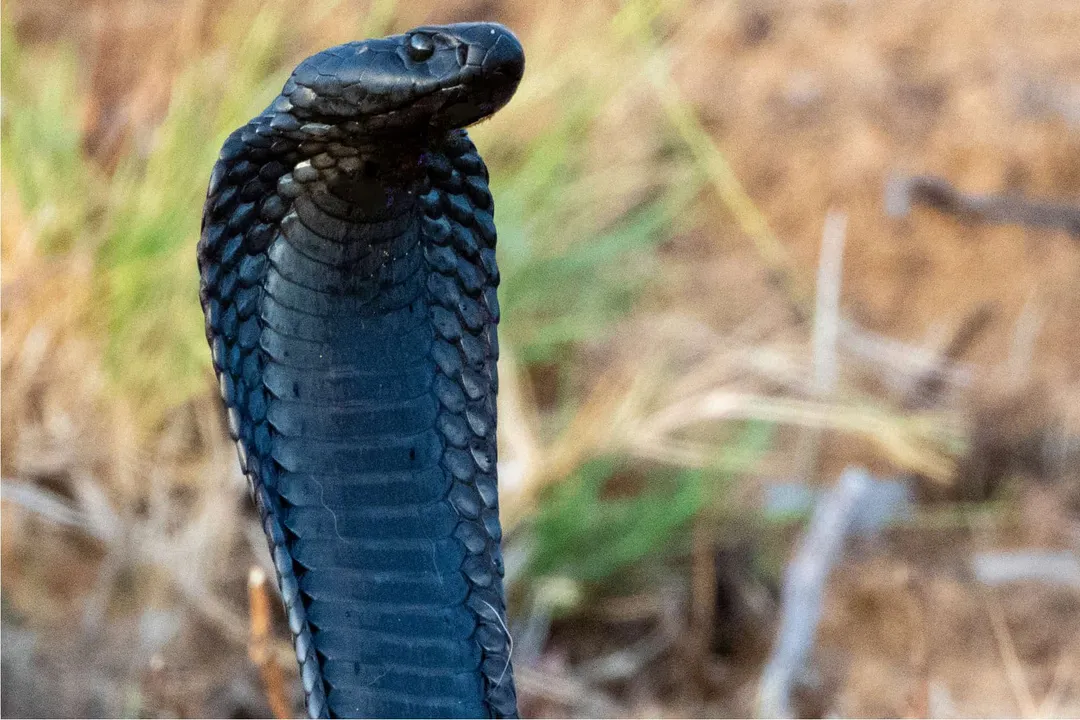
The nominate subspecies, N. n. nigricincta, gives the species its common name, the zebra spitting cobra, defined by the dark crossbars running along a grey-brown, yellow, or pink body. Contrast this with the second recognized subspecies, N. n. woodi, known as the black spitting cobra or Woods’ spitting cobra, which is found exclusively in the desert areas of Southern Africa. This latter group is characterized by being solid matte black as adults, though hatchlings may display a grey body with a solid black head.
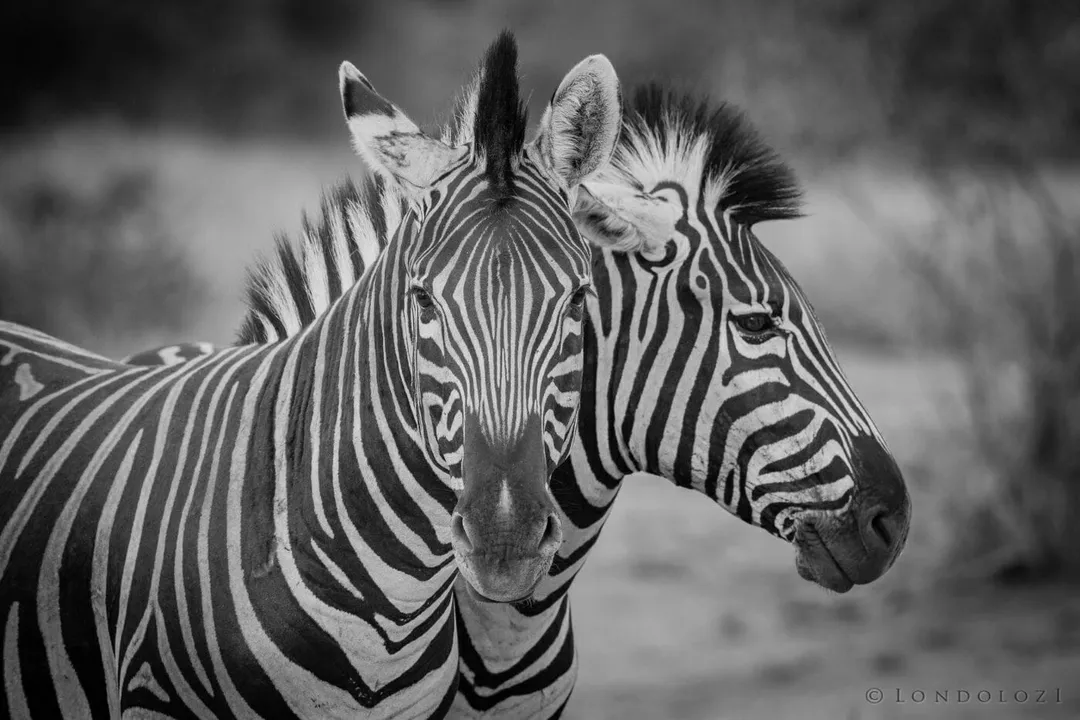
Here we see a clear instance of divergence: one population maintains the striped pattern suggestive of a broader ancestral trait, while the other has evolved toward a uniform dark coloration. While the striping might relate to blending into shrubland or rocky areas by breaking up the outline—a function paralleled in the unrelated plains zebra whose stripes vary by habitat—the solid black N. n. woodi might benefit from superior camouflage in darker volcanic soils or dense shadows common to its drier, possibly rockier habitat. This difference in patterning within a single species, dictated by regional geography, is a visible outcome of adaptation over time. For instance, considering the plains zebra, the bold stripes that disrupt outlines in open grasslands contrast with the narrower patterns of mountain zebras, showing that camouflage patterns are finely tuned to the immediate visual environment. We can infer that the specific evolutionary pressures in the extremely arid zones favored the melanistic trait in woodi, perhaps relating to thermoregulation or crypsis against a darker substrate, rather than the disruptive patterning seen in its barred relative.
| Subspecies | Common Name | Distinctive Feature | Primary Range Aspect |
|---|---|---|---|
| N. n. nigricincta | Zebra spitting cobra | Dark crossbars on light body | Central/Northern Namibia, Angola |
| N. n. woodi | Black spitting cobra | Solid matte black as adults | Southern Namibia, Botswana, South Africa |
# Venom Adaptation
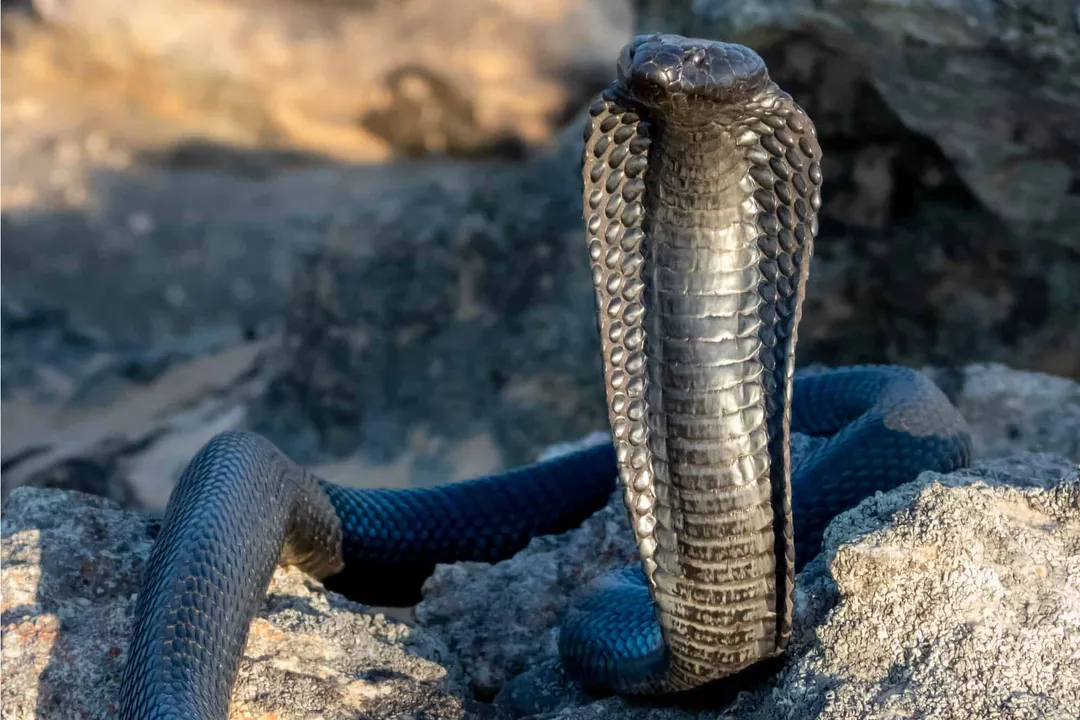
Evolution in snakes is often dramatically driven by the composition of their venom, which is tailored to their prey base and defensive needs. As a spitting cobra, N. nigricincta possesses specialized venom delivery, capable of projecting its cytotoxic toxins up to nine feet with accuracy. Cytotoxins are poisons that actively destroy cell tissue upon contact. The effects are severe, involving local pain, swelling, tissue necrosis, paralysis, and potential blindness if the venom enters the eyes.
While some studies on bites from the related N. nigricollis in Nigeria noted a lack of pronounced neurological signs typical of Elapid poisoning, the focus remained on severe local necrosis. This suggests that the evolutionary trajectory of N. nigricincta's venom leans heavily toward localized tissue destruction, making skin or eye contact highly dangerous. The ability to spit venom is itself an evolved defensive mechanism, allowing the snake to deter threats without resorting to a potentially injurious bite, which is reserved for when the snake feels cornered or is guarding eggs. The high degree of accuracy required to effectively spit venom represents a specialized motor skill shaped by selection over generations of encounters with predators or human threats in its environment.
# Survival and Status
From a pure survival standpoint, Naja nigricincta is currently listed as Least Concern by the IUCN, indicating a stable population with few determined natural threats, though human proximity is a factor. The species frequents human habitation in both urban and rural settings, leading to bites often occurring at night when victims are asleep. The fact that this dangerous animal continues to thrive across a wide range suggests its inherent adaptations—nocturnal activity, camouflage (whether striped or black), and potent defense mechanisms—are currently effective enough to sustain its numbers despite significant overlap with human populations.
It is interesting to reflect on the general evolutionary strategy of striping in nature. While the plains zebra evolved stripes likely for herd confusion or fly deterrence, the snake's striped pattern, N. n. nigricincta, might serve a dual purpose: disruptive camouflage in mixed savanna/shrubland, and potentially, Batesian mimicry if the contrast strongly evokes a known dangerous species in its local area, even if the snake itself is highly venomous. This dual-purpose application—one structural for a grazer, one cryptic/aposematic for a predator—shows how different selective pathways can converge on the visually arresting concept of high-contrast banding. Furthermore, the success of N. n. woodi in becoming uniformly black demonstrates that in certain ecological niches, simplification of pattern can be the superior evolutionary outcome, perhaps offering better thermoregulatory advantages in extreme heat or superior concealment in shadow, illustrating that evolutionary "success" is context-dependent.
Related Questions
#Citations
Naja nigricincta - Wikipedia
Zebra Snake Animal Facts - Naja nigricincta
The Striped Story of Evolution: Understanding the Origins of the ...