What primary diagnostic tool led to the initial grouping under Pantherophis obsoletus?
Answer
Morphological similarity, like coloration and scale counts
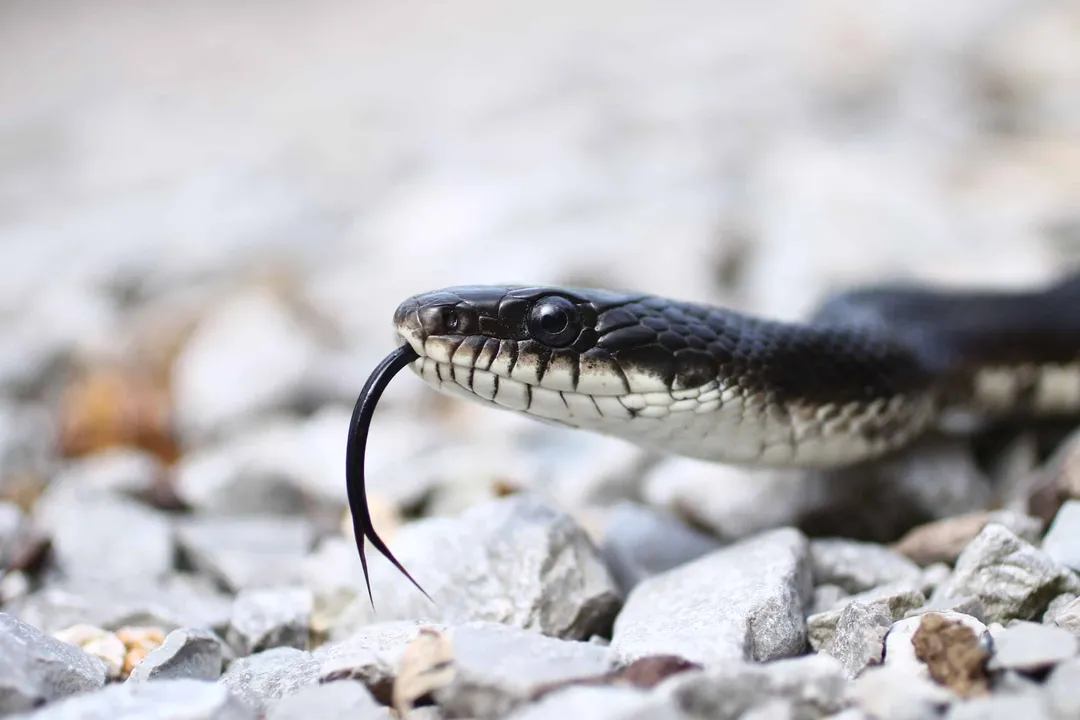
The initial classification and subsequent taxonomic confusion surrounding *Pantherophis obsoletus* stemmed from historical scientific practices where observable traits were the primary basis for defining species boundaries. Herpetologists heavily relied on visible characteristics such as coloration, general pattern, and scale counts to delineate species. This reliance on superficial resemblance often resulted in grouping snakes that looked alike or occupied adjacent territories under the single banner of *P. obsoletus*, creating what is now understood as a species complex before molecular techniques allowed for deeper evolutionary insight.
Related Questions
What primary diagnostic tool led to the initial grouping under Pantherophis obsoletus?What technique was instrumental in redrawing the lines of descent within the Pantherophis genus?Which specific rat snake population was once nested within P. obsoletus but is now recognized as Pantherophis spiloides?What term is used to describe the closely related species formerly grouped erroneously under P. obsoletus?What key distinguishing trait is typically associated with adult Black Rat Snakes (P. alleghaniensis)?Which geographical feature is suggested as a potential ancient barrier that reinforced genetic separation between eastern and western groups?What is a physical feature sometimes noted in Western Rat Snakes compared to smoother eastern relatives?What is the current generalized status assigned to the Gray Rat Snake component?What conservation implication arises from splitting the widespread P. obsoletus into multiple species?What did the original, broad application of Pantherophis obsoletus historically encompass?