Western Hognose Snake Locations
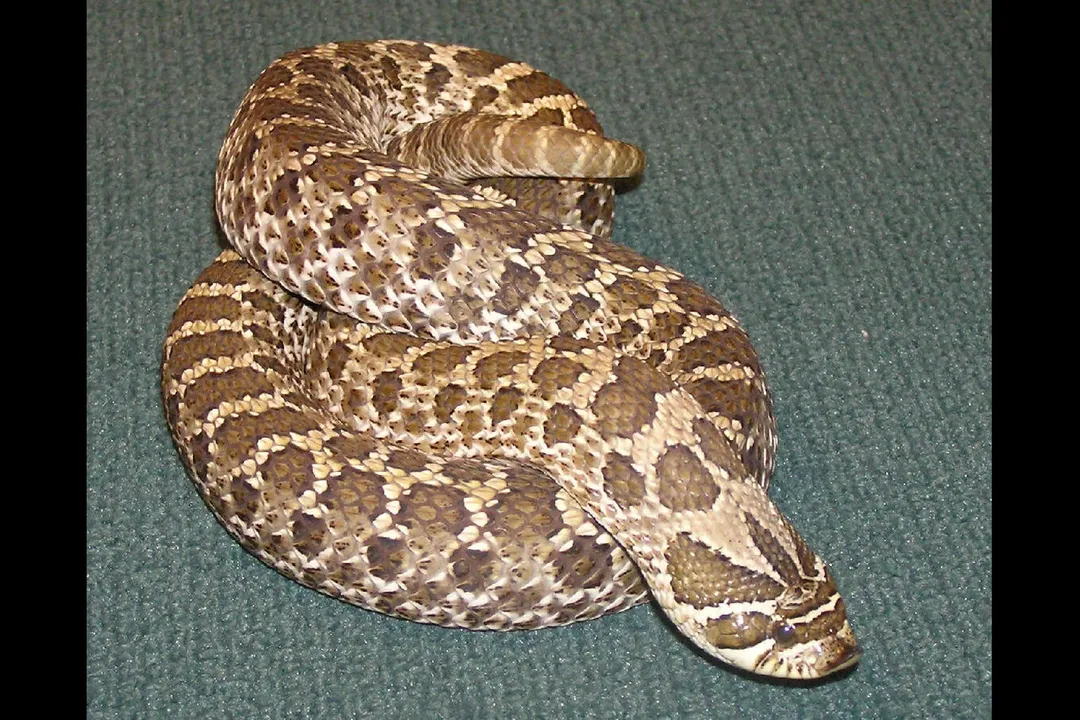
The western hognose snake (Heterodon nasicus) maintains an expansive range across North America, stretching from the southern reaches of Canada down through the United States and into northern Mexico. This wide distribution means that finding one depends heavily on understanding the specific microhabitats this species favors within that massive geographic area. Unlike many snakes that stick to forests or rocky outcrops, the hognose's lifestyle is intimately tied to the ground beneath its feet, specifically favoring loose, manageable soil that allows for its characteristic burrowing behavior.
# Continent Wide Range
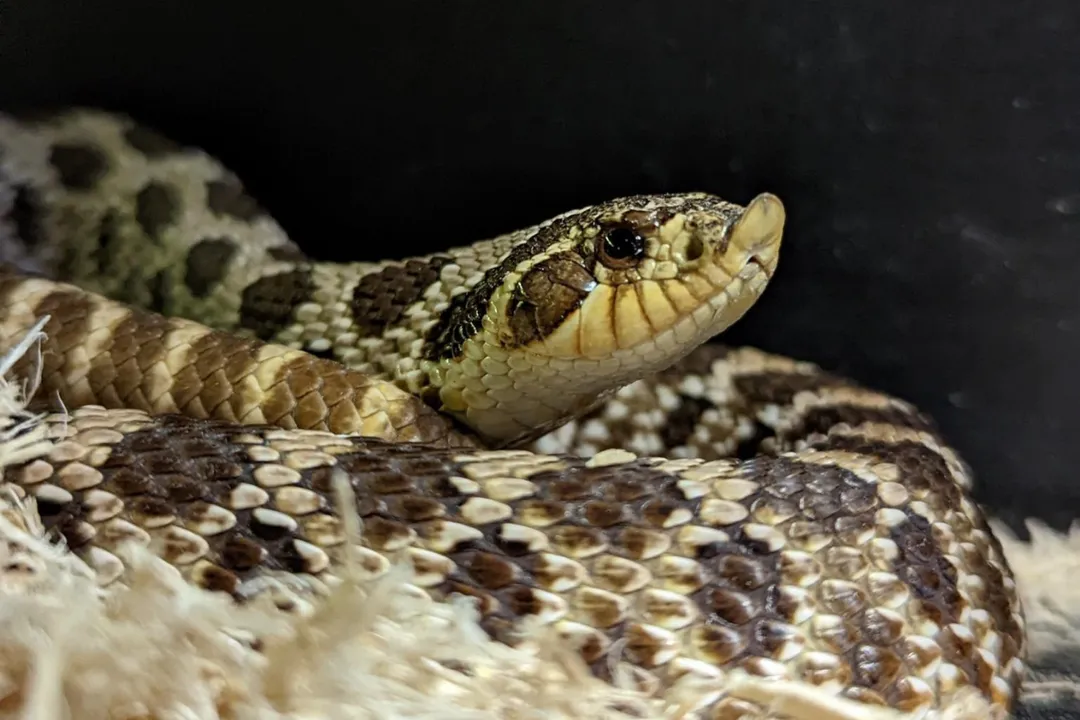
The overall distribution maps out a broad swath of western and central North America. Generally, the snake frequents areas characterized by sandy or gravelly soils. This preference translates into specific ecosystem types such as prairies, river floodplains, grasslands, semi-deserts, and even certain semi-agricultural settings where the ground is not too compacted. In some areas, like Colorado, they have been documented at elevations up to 2,500 meters (8,200 feet).
The reliance on loose substrate for digging burrows—whether for escaping cold weather through brumation or for searching out their preferred prey, which includes toads and other creatures hidden beneath the surface—is a critical factor connecting all these disparate locations. It appears that the texture of the soil, providing easy access to subterranean life, is a greater determinant of presence than any single climate classification across their entire range. This principle means that even in a state known for one type of terrain, you might find them only where sand or gravel deposits create pockets of suitable ground.
# Subspecies Boundaries
The overall species is recognized as having three valid subspecies, each occupying distinct portions of the collective range. Understanding these subdivisions is key to predicting where one might encounter a specific morph or population.
The Plains Hognose Snake (H. n. nasicus) represents the northern and central distribution. Its range covers the Texas panhandle and adjacent areas of New Mexico, extending northward through western Oklahoma and Kansas. Crucially, this subspecies continues into Canada, reaching southeastern Saskatchewan and southwestern Manitoba. Additionally, records place H. n. nasicus in the prairie regions of Minnesota and specific prairie relicts within Illinois.
Moving towards the southeast of the core Great Plains area is Gloyd's Hog-nosed Snake (H. n. gloydi). This form is generally found in southeastern Kansas, southeastern Missouri, and eastern Oklahoma. Its range covers most of Texas, though it avoids the panhandle, the Trans-Pecos region, and the extreme southern Rio Grande Valley.
The southernmost populations, which border Mexico, are often attributed to the Mexican Hognose Snake (H. n. kennerlyi). This subspecies' range extends from central San Luis Potosí and Tamaulipas in Mexico, moving north and west along the Sierra Madre Occidental to enter the United States in the extreme southern Rio Grande Valley, southeastern Arizona, and southwestern New Mexico. Interestingly, some herpetologists suggest elevating H. n. kennerlyi to full species status, while simultaneously subsuming H. n. gloydi into H. nasicus, though this taxonomic view is not universally held.
# Regional Presence Notes
While the subspecies map provides a general guide, looking at individual state data highlights the correlation between specific terrain features and local populations.
In Kansas, the snake is found throughout the western three-quarters of the state, with peak abundance occurring across the High Plains. As you move east into the Flint Hills, populations become more isolated, likely existing only in sandy patches that mirror the preferred habitat of the nasicus subspecies. Historical data shows the species is noticeably scarce in the far eastern parts of the state.
Colorado presents a pattern where the western hognose snake is generally common throughout the eastern half of the state, provided the elevation remains below 6,000 feet. Here, the habitat centers on Sandhills, plains grasslands, and sandy floodplains, frequently situated near water sources like streams, irrigation ditches, and ponds. The presence in northwestern Colorado, specifically Moffat County, remains somewhat unconfirmed and requires further verification.
Montana hosts the H. n. nasicus subspecies and presents a conservation challenge. It is primarily concentrated in the northern Great Plains, east of the Continental Divide. Populations follow major river corridors in the eastern and north-central parts of the state. While historically noted as relatively abundant, current status is uncertain, leading to its classification as a Species of Special Concern. Localized studies suggest a strong preference for sandy alluvial beds, riverbanks, and loose soil found beneath sandstone outcrops.
When searching for these snakes in a new location, a solid rule of thumb derived from these regional reports is to prioritize areas near ephemeral stream beds or historical floodplains where natural deposition has created the necessary loose, sandy substrate, even if the surrounding landscape is heavily farmed or otherwise unsuitable.
A particularly interesting observation across these regions is the vulnerability created by their behavior in cooler climates or during morning activity. In places like Montana, individuals are sometimes found as road casualties, a situation attributed to their tendency to bask on roads in the early morning hours to raise their body temperature. Therefore, if one is looking to observe these snakes in their natural setting, a careful, slow drive through known sandy habitat corridors during the morning hours presents a higher probability of success than searching later in the day when they might retreat underground to maintain thermal balance. However, relying solely on surface sightings is difficult because they spend much of their inactive time burrowed beneath the soil.
# Habitat Fidelity
The recurring theme across all locations—from the semi-deserts of Arizona to the prairies of Manitoba—is the consistent requirement for soil structure suitable for excavation. This isn't just a preference; it's fundamental to their survival strategy for both feeding and overwintering. This strong habitat fidelity suggests that even where the H. n. nasicus subspecies' range theoretically extends into heavily tilled agricultural zones, its actual persistence is contingent upon the preservation of pockets of native or undisturbed sandy soil. For instance, in Kansas, the few eastern records are often associated with isolated sandy areas or prairie relicts, not continuous habitat. If a region has soil that is too compacted or dominated by heavy clay, even if the local diet of toads is present, the hognose snake is unlikely to establish a stable local population.
The distribution data clearly shows that while the species is widespread and globally secure (Least Concern on the IUCN Red List), local populations can be sparse and patchy, sometimes leading to uncertainty about their long-term security in certain states, such as Montana, where suitable habitat fragmentation due to modern land use poses a distinct, localized threat. Understanding where these specific soil pockets exist in relation to current development is the most crucial step for anyone interested in tracking or conserving this unique North American resident.
Related Questions
#Citations
Western hognose snake - Wikipedia
Mexican Hog-nosed Snake (Heterodon kennerlyi) - Desert Museum
Western Hognose Snake - Utica Zoo
Western Hognose Snake | Colorado Parks and Wildlife
Western Hog-nosed Snake - Kansas Herpetofaunal Atlas
Plains Hog-nosed Snake (Heterodon nasicus) - Montana Field Guide