Western Hognose Snake Facts
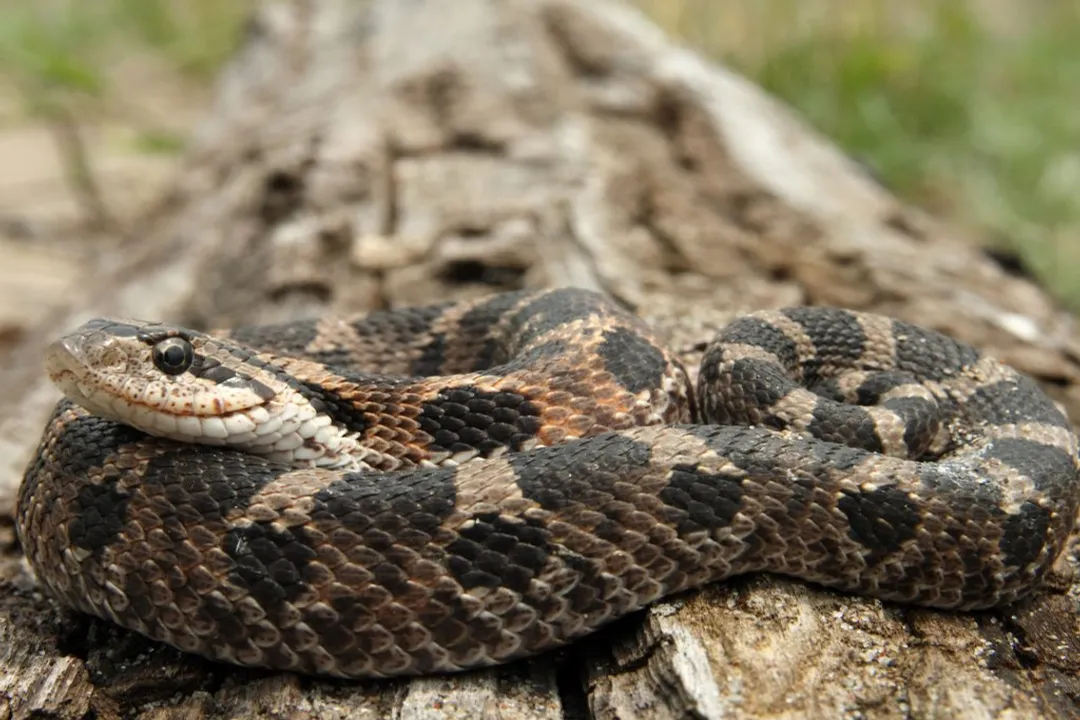
The Western Hognose Snake, scientifically known as Heterodon nasicus, is perhaps one of the most dramatically inclined reptiles you might encounter across the western plains of North America. Unlike many snakes that rely purely on speed or camouflage, this species has perfected the art of the theatrical performance, often leading casual observers to believe they are in the presence of something far more dangerous than they truly are. These snakes are easily recognizable, even from a distance, thanks to the characteristic upturned scale on their snout, which is the source of their common name.
# Upturned Nose
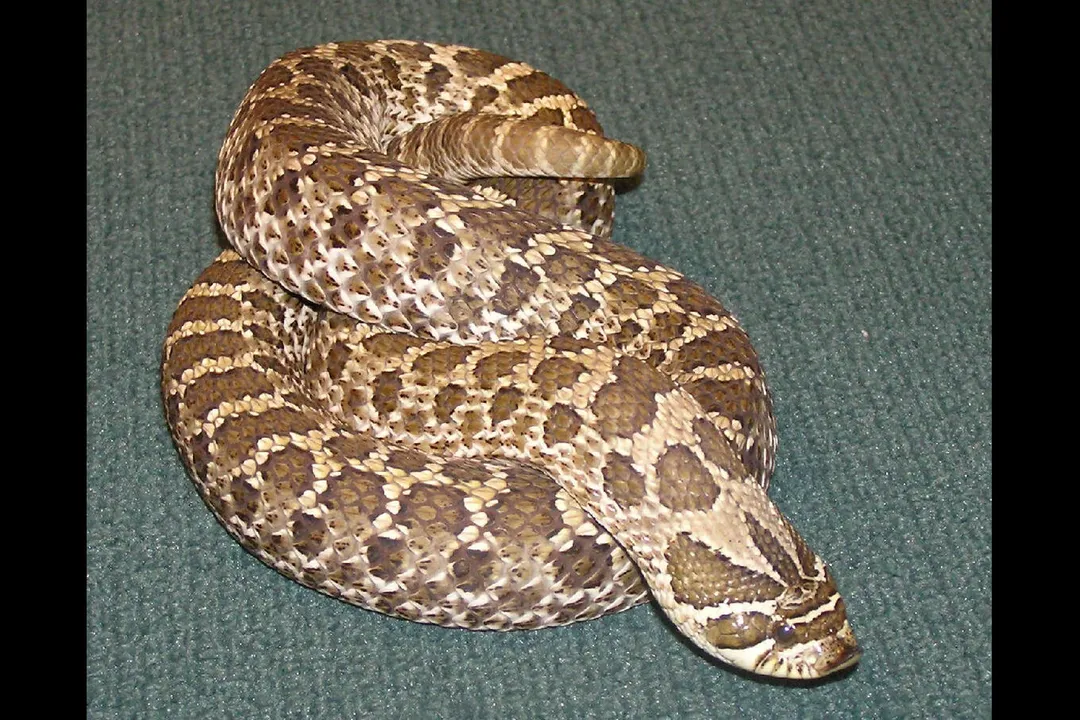
The most distinguishing physical characteristic of the Western Hognose is undeniably its shovel-like, upturned rostral scale. This specialized structure is not merely cosmetic; it serves a critical, practical purpose tied directly to their primary method of movement: burrowing. Because they inhabit environments with sandy or loose soil, such as short-grass prairies, deserts, and sagebrush flats, the snout acts like a natural plow, allowing them to efficiently push their way beneath the surface of the ground. This digging ability is crucial for seeking shelter from temperature extremes, hiding from predators, or ambushing unsuspecting prey.
# Body Length
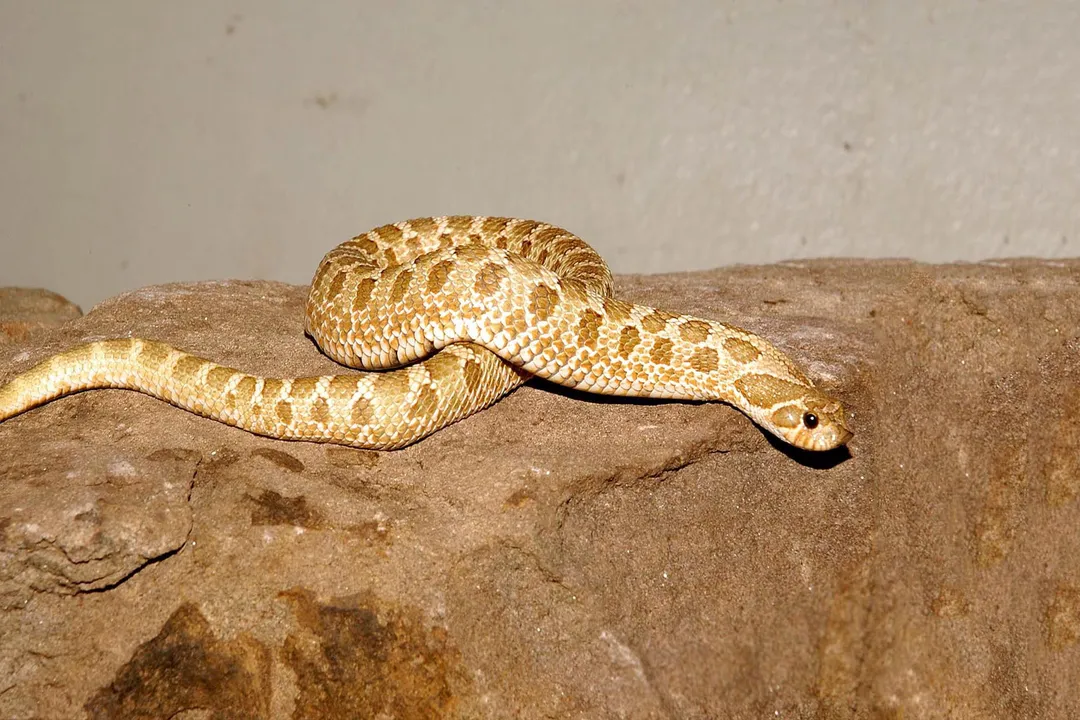
When considering their size, Western Hognoses are generally considered medium-sized snakes, though there is a noticeable difference in scale between the sexes. Adults typically reach lengths between one and a half to three feet. Generally, the females of the species tend to grow larger and heavier than their male counterparts. This sexual dimorphism in size is common across many snake families, often relating to reproductive strategies or energy allocation, though specific reasons for this species aren't always clearly delineated in every observation.
# Appearance Variety
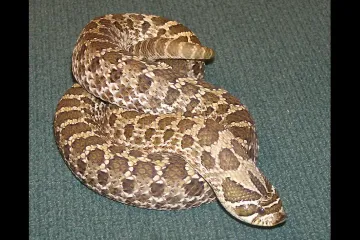
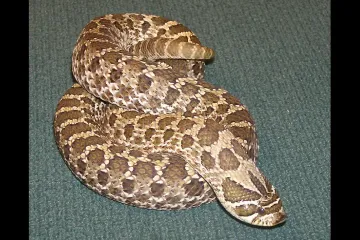
The coloration and pattern of the Western Hognose provide excellent camouflage within their natural surroundings, though the variations can be quite broad. Their base color can range through shades of brown, tan, grey, or even black. Overlaid upon this base color are usually a series of dark, somewhat saddle-shaped blotches that often feature black borders, creating a striking yet disruptive pattern. This variability means that two snakes living in adjacent areas might look distinctly different, a trait that often complicates simple visual identification if one is not looking for the defining snout shape.
# Playing Dead
The defense mechanism employed by the Western Hognose is legendary in the reptile world, often referred to as thanatosis, or playing dead. When severely threatened, the snake first engages in a series of impressive threat displays. It may flatten its head and neck area, puffing up its body to mimic a cobra or raising the front part of its body off the ground. If this bluff fails to deter the threat—perhaps a curious child or a persistent predator—the snake escalates the performance. It will roll onto its back, open its mouth wide, writhe slightly, and often release a foul-smelling musk from its cloaca glands. The performance is so convincing that observers often assume the snake is dead. Interestingly, if one turns a successfully "playing dead" Hognose back onto its belly, it will often immediately flip back over to resume the act, demonstrating a dedicated commitment to the role.
One way to interpret this elaborate bluff is through an energetic cost-benefit analysis. A full, convincing death display requires significant energy expenditure—muscle tension, musking, and remaining immobile while exposed. A predator that has learned that reptiles that thrash wildly and smell bad are rarely worth the effort might disengage faster than if the snake simply fled. Therefore, this dramatic, high-effort performance might actually be a calculated gamble, banking on a predator's prior negative association with such extreme distress signals, rather than a purely reflexive action.
# Mild Venom
Despite their intimidating bluffing tactics, Western Hognoses are only mildly venomous. They possess rear-fanged dentition, meaning the fangs capable of injecting venom are situated toward the back of the upper jaw, unlike the front-fanged delivery system of elapids or pit vipers. Because of this arrangement, delivering a medically significant bite is difficult for them. For humans, a bite from a Hognose is generally not a medical concern, rarely causing more than localized swelling, itching, or slight pain at the site of contact. They are often described as docile snakes that prefer to bluff rather than bite, especially in captivity.
# Toad Feeder
The diet of the Western Hognose Snake highlights another unique adaptation: they are specialized feeders, preying almost exclusively on toads and frogs. This specialization presents a fascinating challenge, as many of their primary prey items (toads) possess defensive toxins secreted through their skin that would deter most other snake species. The Hognose circumvents this issue by producing a substance in its own Duvernoy's gland secretions that is thought to neutralize or break down the toad's toxins, allowing the snake to safely consume its meal. They are known to be enthusiastic eaters, often using their snout to root around in the substrate looking for their next meal.
If you find yourself caring for one of these snakes in a controlled environment, understanding this dietary preference is critical. While they might occasionally take other small prey, their primary need is toad or frog material. A practical tip for keepers is recognizing that the necessity of deep, loose, diggable substrate—like sifted topsoil or specialized sand mixes—is not just about humidity control; it's about allowing the snake to perform its natural foraging behavior by rooting and tunneling through the material, which contributes significantly to its overall well-being.
# Habitat Zones
Geographically, the Western Hognose Snake has a broad distribution, ranging across the central and western United States, extending into Mexico and southern parts of Canada. They are strongly associated with environments that provide the necessary loose substrate for their primary mode of movement. This includes short-grass prairies, arid scrublands, sandy plains, and areas dominated by sagebrush. Their ability to burrow protects them not only from predators but also from the harsh temperature fluctuations common in their native range. In places like Colorado, for example, they are species of concern, and it is important to leave any wild-caught individuals undisturbed where they are found. Observing them in the field often requires patience, as they spend much of their time either burrowed or moving slowly just beneath the surface. They are typically active during the day or during the twilight hours.
# Summary Traits Table
To quickly review some key identifiers and behaviors, here is a summary of the typical traits observed in Heterodon nasicus:
| Feature | Description | Significance |
|---|---|---|
| Snout | Upturned rostral scale | Essential for digging in sandy substrates |
| Defense | Thanatosis (playing dead) | Elaborate display involving rolling over and musking |
| Venom | Mild, rear-fanged | Not considered medically significant to humans |
| Diet | Primarily toads and frogs | Secrete compounds to neutralize toad toxins |
| Size | 1.5 to 3 feet (Adult) | Females are generally larger than males |
This collection of behaviors—from the physical adaptation of the snout to the psychological complexity of the death feigning—makes the Western Hognose a truly unique reptile in its native ecosystem. They are masters of deception, relying on performance rather than potent weaponry to navigate the threats they face.
Related Questions
#Citations
Western Hognose Fact Sheet | racinezoo.org
8 Incredible Hognose Snake Facts - Reptile Super Show
Heterodon | INFORMATION - Animal Diversity Web
Western hognose snake - Wikipedia
Western Hognose Snake | Colorado Parks and Wildlife
Mexican Hog-nosed Snake (Heterodon kennerlyi) - Desert Museum
Western hognose snake Facts for Kids
Western Hognose Snake Care Sheet - Northampton Reptile Centre
(species) heterodon nasicus - WY Field Guide
Western Hognose Snake - Elmwood Park Zoo