What is the primary function of the *Heterodon nasicus*'s shovel-like snout?
Answer
Efficiently pushing through sandy or loose soil for burrowing
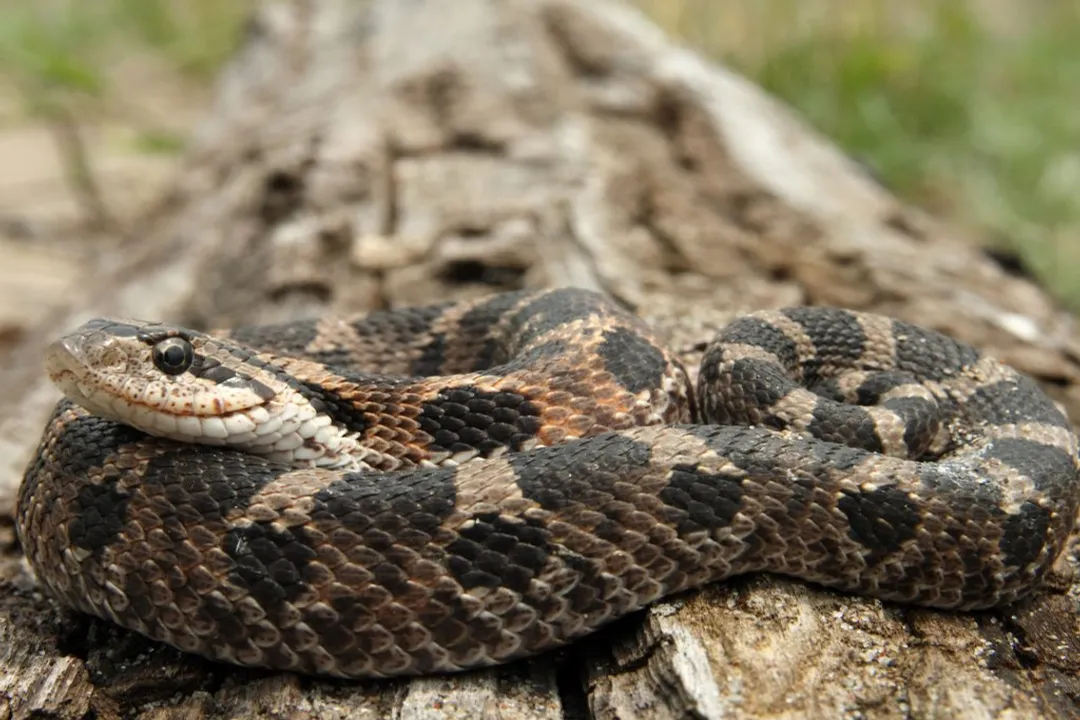
The shovel-like snout, created by the upturned rostral scale, is fundamentally adapted for subterranean activity. The snake inhabits environments such as deserts, short-grass prairies, and sagebrush flats where the soil is often sandy or loose. In these conditions, the snout acts precisely like a natural plow, enabling the Western Hognose Snake to push material aside effectively, allowing it to rapidly move beneath the ground. This digging ability is crucial for survival, providing essential protection from severe temperature swings typical in its range and serving as a method for ambush predation or avoiding detection by predators.
Related Questions
What specialized physical characteristic identifies the Western Hognose Snake?What is the primary function of the *Heterodon nasicus*'s shovel-like snout?What is the technical term for the Western Hognose Snake's death-feigning behavior?Where are the venom-delivering fangs located in the mildly venomous Western Hognose Snake?What specialized primary prey item do Western Hognose Snakes consume, often facing chemical defenses?Which sex of the Western Hognose Snake generally attains greater overall size and weight?What specific action might a Western Hognose Snake take if turned over while successfully performing thanatosis?What mechanism allows *Heterodon nasicus* to safely consume toads with defensive skin toxins?Which environmental characteristic is strongly associated with the distribution of the Western Hognose Snake?For keeper well-being, what substrate characteristic must be provided to allow the natural foraging behavior of *Heterodon nasicus*?