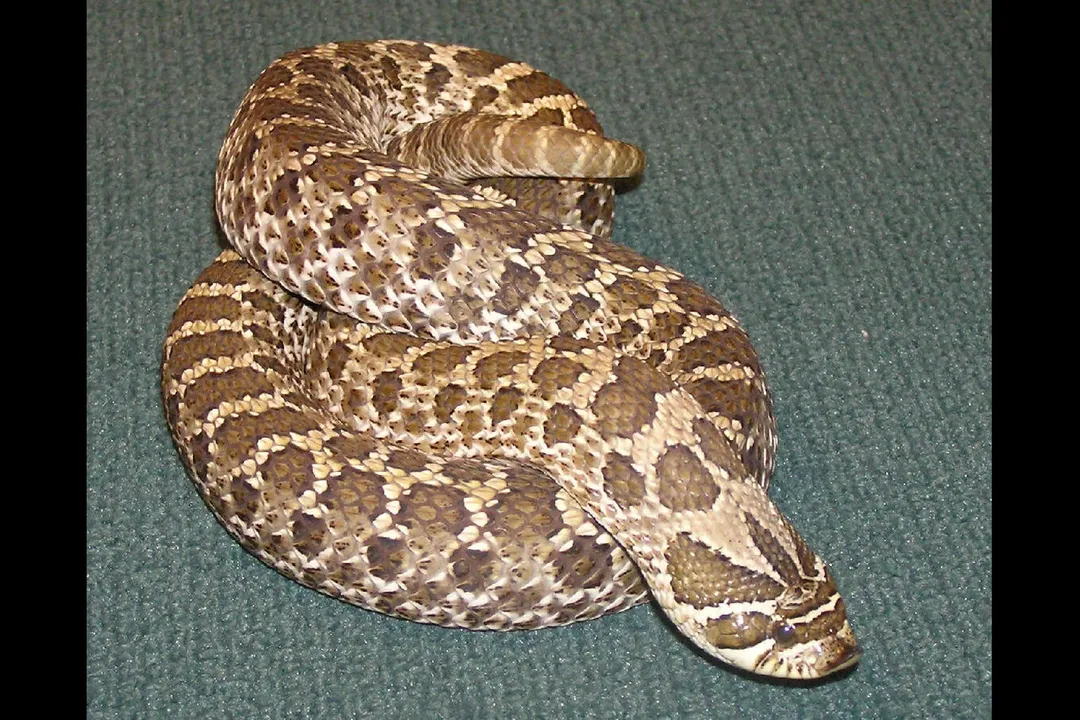
What soil characteristic is cited as a greater determinant of Heterodon nasicus presence than climate classification?
The texture of the soil providing easy access to subterranean life
The distribution of the western hognose snake across its expansive North American range is fundamentally linked to its reliance on specific soil conditions necessary for its characteristic burrowing behavior. While factors like climate classification define broad regions, the critical determinant for local presence is the physical nature of the substrate. The snake requires loose, manageable soil, generally sandy or gravelly, which allows it to dig effectively. This digging capability is essential for two primary survival strategies: escaping cold weather through brumation and, crucially, locating its preferred prey items like toads which hide beneath the surface. Therefore, the texture of the soil, enabling this subterranean access, outweighs general climate groupings when predicting where this species will actually establish a population, even within an area theoretically falling within its range.