Western Hognose Snake Scientific Classification
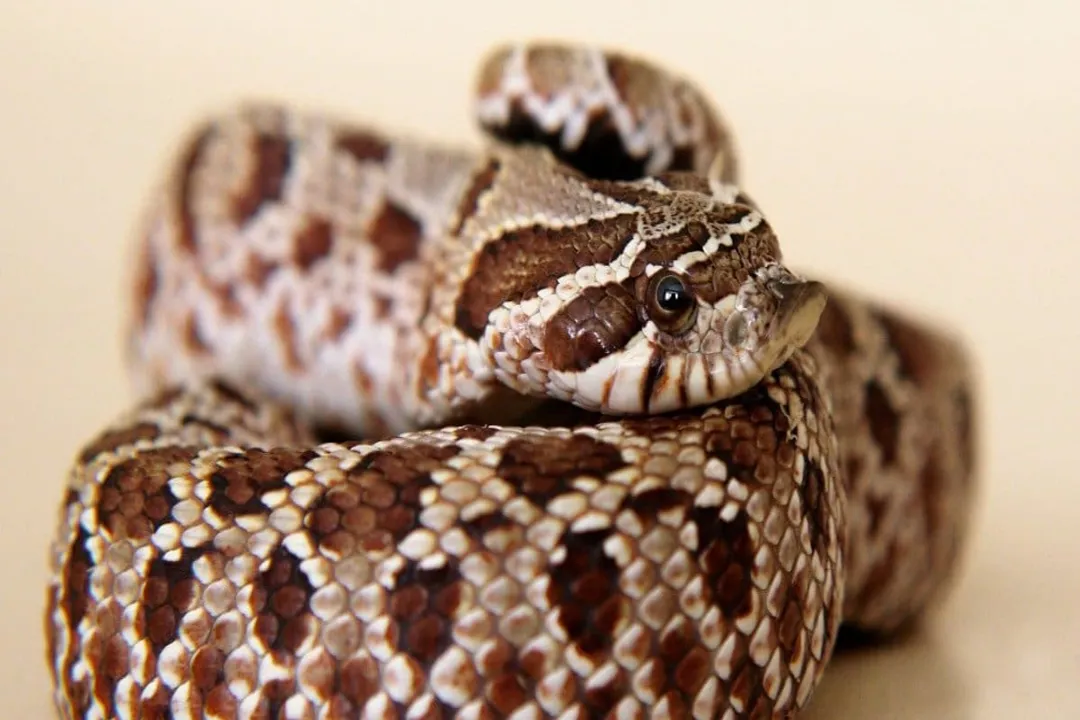
The Western Hognose Snake, scientifically known as Heterodon nasicus, fits neatly into the established hierarchy of life, a placement that tells us a great deal about its biology, ancestry, and behavior long before we discuss its famous antics. [1][3][4] Understanding this classification is less about memorizing Latin names and more about appreciating its evolutionary context, tracing its lineage from the broadest categories down to the specific traits that make this particular reptile unique among the thousands of other snake species worldwide. [5][6]
# Kingdom Animalia
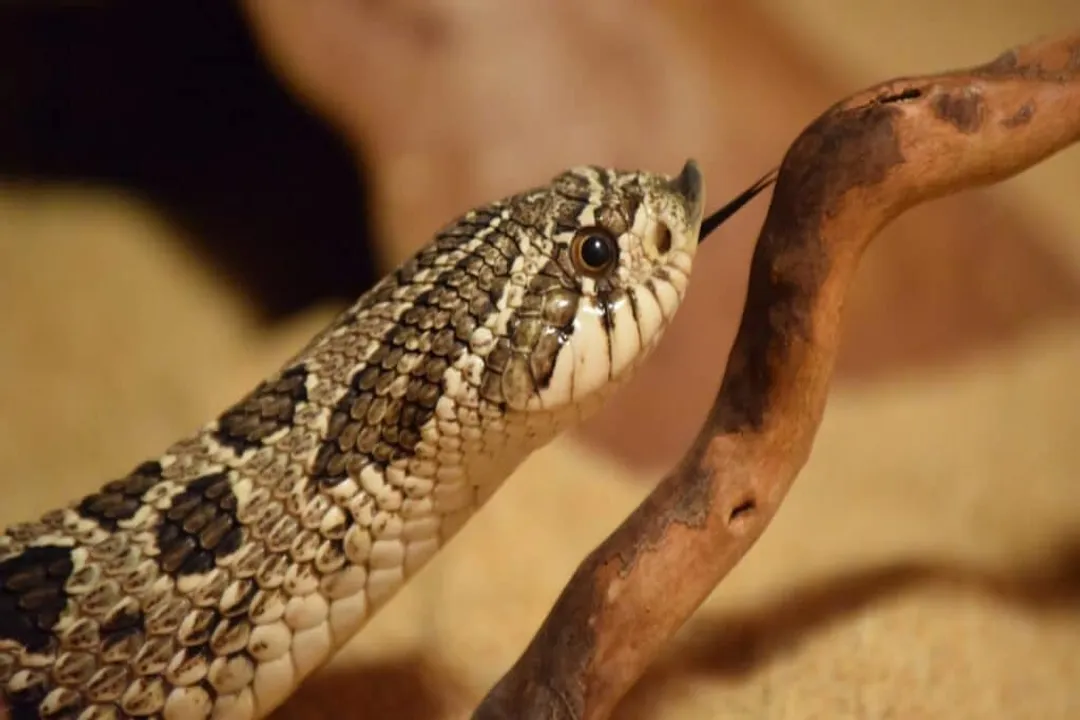
At the highest level, H. nasicus resides within the Kingdom Animalia. [2][3][5][6][7][9] This broad grouping signifies that the Western Hognose Snake is a multicellular, heterotrophic organism, meaning it must consume other organisms for energy rather than producing its own food through photosynthesis, a key characteristic shared with everything from earthworms to elephants. [2][7] This placement is fundamental, separating it entirely from the plant or fungal kingdoms. [3]
# Phylum Chordata
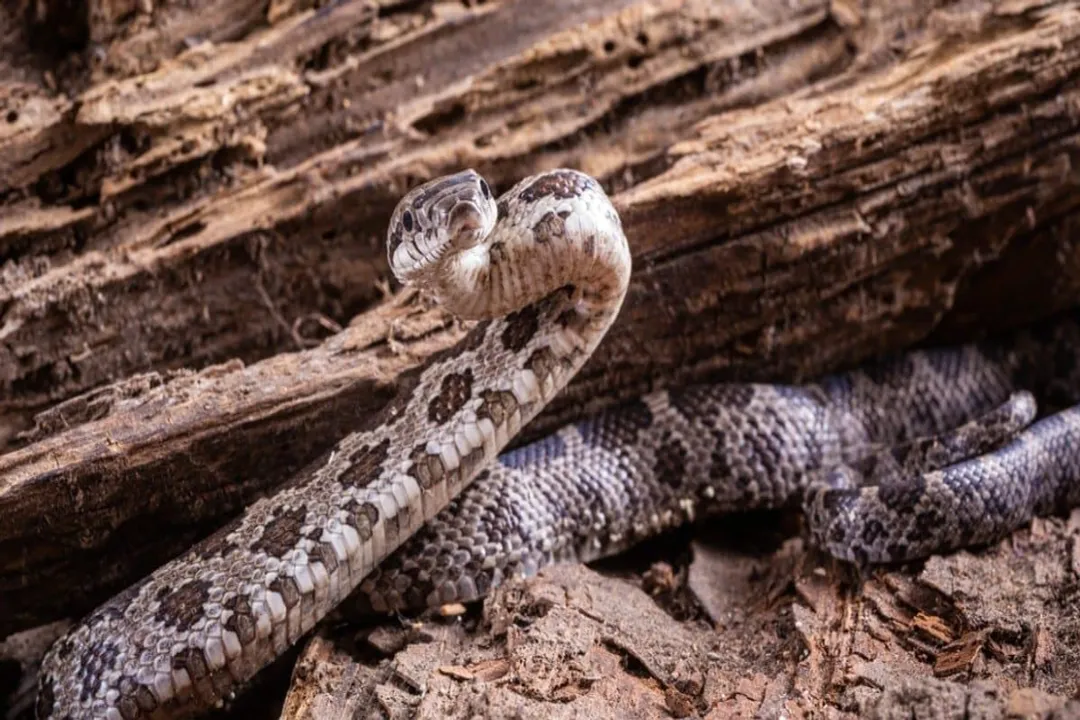
Moving down one step, the snake belongs to the Phylum Chordata. [2][3][5][6][7][9] Inclusion here means that at some stage in its development, the organism possessed a notochord, a dorsal nerve cord, pharyngeal slits, and a post-anal tail. [5][7] While the adult snake may not overtly display all these features in their primitive forms—the notochord is replaced by the vertebral column, for instance—these ancestral traits confirm its place among the vertebrates. [3][9]
# Class Reptilia
The next grouping is the Class Reptilia. [2][3][5][6][7][9] This is where we start seeing physical characteristics immediately recognizable to the casual observer. Reptiles are characterized by having scales or scutes, breathing air using lungs, and, critically, being ectothermic, meaning they rely on external sources to regulate their body temperature. [6][9] The Western Hognose, being a reptile, exhibits these features, needing to bask in the sun to raise its internal temperature for active hunting or digestion. [5]
# Order Squamata
Within Reptilia, the Western Hognose is placed in the Order Squamata. [1][2][3][5][6][7][9] This is a massive and diverse group, encompassing all snakes, lizards, and amphisbaenians (worm lizards). [1][3] The defining feature of Squamates is the presence of kinetic skulls, which allow for a great range of jaw movement, and the presence of overlapping epidermal scales. [1][5] The divergence between lizards and snakes occurred within this order, placing H. nasicus firmly on the snake branch of the Squamate tree. [3]
# Family Colubridae
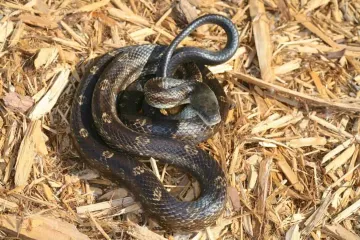
The classification narrows further into the Family Colubridae. [1][2][3][5][6][7][9] This is arguably one of the most significant placements for understanding the snake's potential danger level. Colubrids are often referred to as "typical" or "common" snakes, and the vast majority of snake species fall into this group. [1][5] The Western Hognose possesses rear-fanged dentition. [1][6] A crucial detail for keepers and enthusiasts is that while Heterodon species have these rear fangs and their saliva is considered mildly toxic to prey—enough to subdue small amphibians and mammals—they are generally not considered medically significant to humans. [6] This placement within Colubridae contrasts with the more acutely dangerous Vipers (Viperidae) or Cobras (Elapidae), which have fixed, hollow fangs designed for efficient venom injection. [1] This subtle difference in dental structure, inherent to its family placement, strongly dictates its predatory strategy and its perceived threat level in the wild. [5]
# Genus Heterodon
The Genus level, Heterodon, is where the physical characteristics truly begin to solidify the identity of the Western Hognose. [1][2][3][5][6][7][9] Snakes in this genus are universally recognized by the upturned, pointed rostral scale on their snout, which gives them their common name: the hognose. [3][5][6][8] This unique snout structure is an adaptation for digging and rooting through loose soil and leaf litter, aiding them in locating their preferred diet of toads and other amphibians. [3][5] While closely related species might share this genus—such as the Eastern Hognose (H. platirhinos) or the Mexican Hognose (H. kennerlyi)—the Heterodon grouping itself signifies this specialized fossorial behavior and diet. [1][3]
# Species Heterodon nasicus
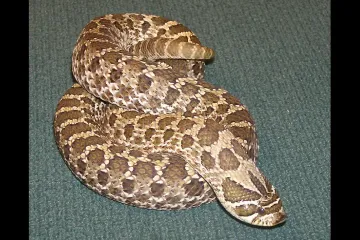
The final step in the Linnaean system names the specific species: Heterodon nasicus. [1][4][8] The species name is derived from the prominent nose, as nasicus relates to the nose. [4] This designation separates it from its relatives based on a combination of morphological, genetic, and geographic distinctions. [7] While all hognoses share the snout, H. nasicus is distinguishable by features like the distinct dark blotches or saddles along its back, a more pronounced upturned snout compared to some congeners, and its broader geographic distribution across the western and central United States, parts of Canada, and northern Mexico. [5][9] Its classification as H. nasicus is what ties it specifically to records regarding its population stability in certain regions, such as its status under review by the U.S. Fish and Wildlife Service in some areas. [4]
# Taxonomic Stability Insight
It is interesting to note the stability of this classification across the various authorities cataloging the species. [2][5][9] Despite ongoing debates and revisions in taxonomy, particularly concerning subtle regional variations within the species or its relationship to other Heterodon members, the genus Heterodon itself remains consistently defined by that specialized rostrum. [3][8] This consistency in higher classification—Kingdom down through Genus—suggests that the fundamental evolutionary splits that define this snake have been well-established for a long time, even if specific subspecies designations within H. nasicus might shift with new genetic research. [7] The defining physical trait, the nose, has been a constant anchor in its classification across continents and institutions collecting data on it. [5][6]
# Family Context and Keeper Knowledge
Considering the Colubridae family placement provides a practical understanding of the species that goes beyond its scientific name. When a keeper or biologist sees Colubridae, they immediately know to look for specific traits: typically, they are diurnal or crepuscular, they have pupils that are round (unlike the vertical slits of pit vipers), and their digestive system is optimized for smaller, whole prey items. [1][6] The Western Hognose's reliance on amphibians means that in captivity, they often refuse rodent-based diets and require specialized care centered on frogs or toads, or high-quality manufactured alternatives that mimic this composition. [3][6] This dietary inflexibility, stemming from its evolutionary path within this specific family structure, is a key consideration for anyone hoping to keep one of these snakes successfully, underscoring how a scientific placement directly translates into husbandry requirements. [5]
# Visual Distinctions Summary
While the scientific classification dictates its evolutionary standing, recognizing the species requires looking at the visible traits that separate it from, say, its close cousin, the Eastern Hognose. A quick reference guide to the identification features associated with the H. nasicus species designation might look like this:
| Feature | Description | Taxonomic Significance |
|---|---|---|
| Rostral Scale | Sharply upturned and pointed | Defines Genus Heterodon |
| Dorsal Pattern | Usually dark, paired blotches or saddles | Differentiates Species nasicus |
| Head Shape | Relatively broad, distinct neck | Typical of Colubridae |
| Dentition | Rear-fanged | Defines Family Colubridae characteristics |
| Behavior | Hissing, flattening, or tail-up bluff | Species-specific behavioral traits [6] |
For those observing Western Hognoses in the field across the Great Plains or Mountain West, noting the combination of the pointed snout and the distinct, often heavily patterned dorsal markings is the fastest way to confirm the species ID without needing genetic testing, reinforcing the observable traits that Linnaeus and subsequent taxonomists used to define the species level. [5][9] This reliance on consistent morphology, which is summarized by the scientific name, showcases the effectiveness of the classification system in identifying distinct ecological players. [2]
Related Questions
#Citations
Western hognose snake - Wikipedia
Western Hognose Fact Sheet | racinezoo.org
Heterodon | INFORMATION - Animal Diversity Web
Western Hog-nosed Snake (Heterodon nasicus)
Plains Hog-nosed Snake (Heterodon nasicus) - Montana Field Guide
Western Hognose Snake Animal Facts - Heteredon nasicus
AnAge entry for Heterodon nasicus
Western Hognose Snake - Burpee Museum of Natural History
(species) heterodon nasicus - WY Field Guide