How does the rostral scale structure of *H. nasicus* generally compare to *H. platirhinos*?
Answer
It appears more robust and pronounced in *H. nasicus*.
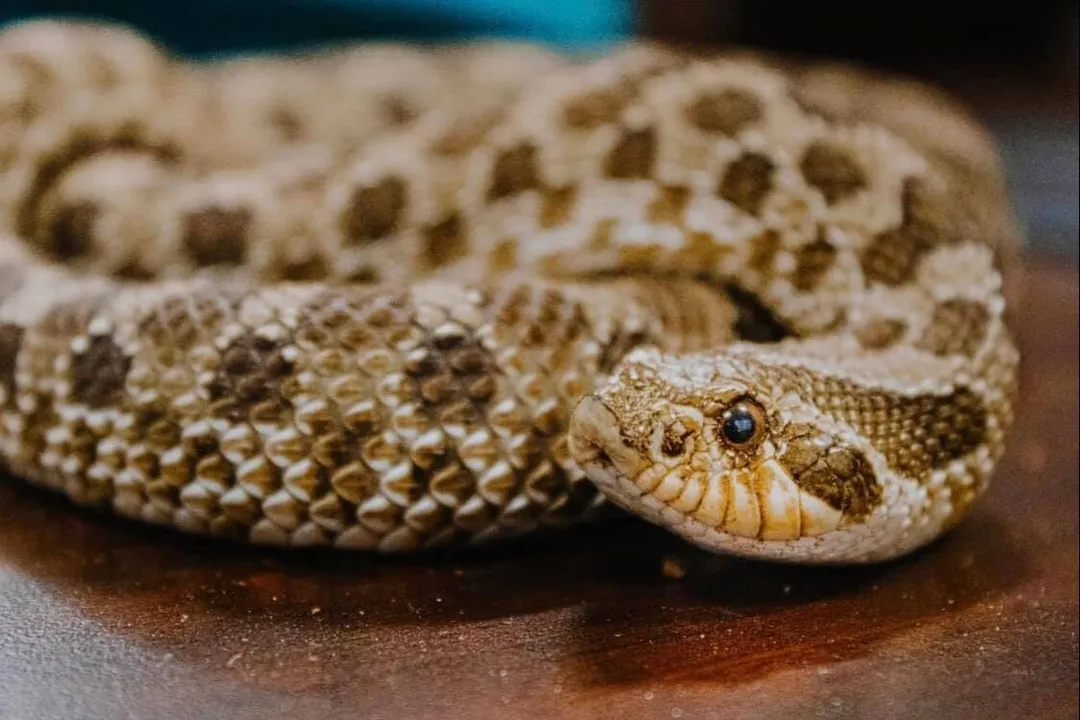
While both the Western Hognose (*H. nasicus*) and the Eastern Hognose (*H. platirhinos*) possess the defining rostral scale characteristic of the *Heterodon* genus, there is a noted structural difference. The adaptation for subterranean activity appears stronger in the Western species, as its rostral scale is typically observed to be more robust and significantly more pronounced compared to that of *H. platirhinos*. This physical variation likely reflects differing levels of selective pressure related to the typical substrate consistency in their respective habitats; *H. nasicus* often favors looser, sandy soils requiring greater digging power.
Related Questions
What are the three recognized species within the genus Heterodon?What is the primary function of the upturned rostral scale on *H. nasicus*?What is the final defensive act exhibited by the Western Hognose if bluffing fails?How do hognoses inject mild venom secretions into their preferred prey?What constitutes the overwhelming majority of the Western Hognose Snake's diet?How does the rostral scale structure of *H. nasicus* generally compare to *H. platirhinos*?To which major snake family does the Western Hognose Snake belong?What is the initial defensive display strategy employed by the Western Hognose when threatened?Which geographical description fits the distribution of *H. nasicus* across North America?What specific evolutionary advantage does the mild venom provide against favored prey?