Western Blacklegged Tick Evolution
# Phylogenetic Context
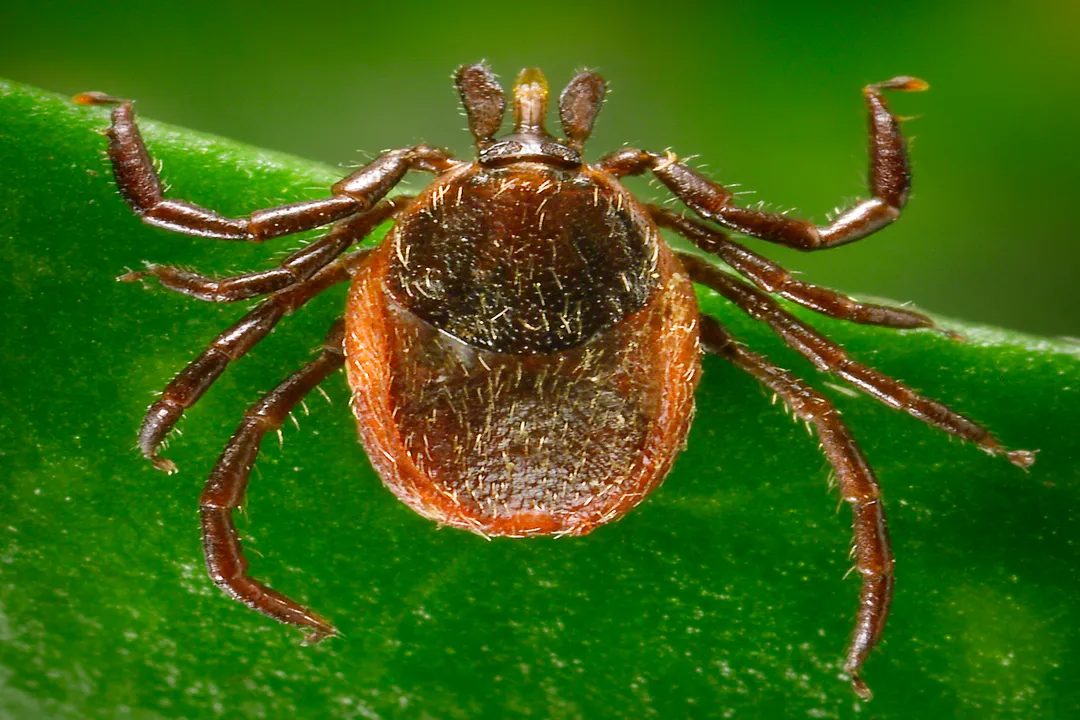
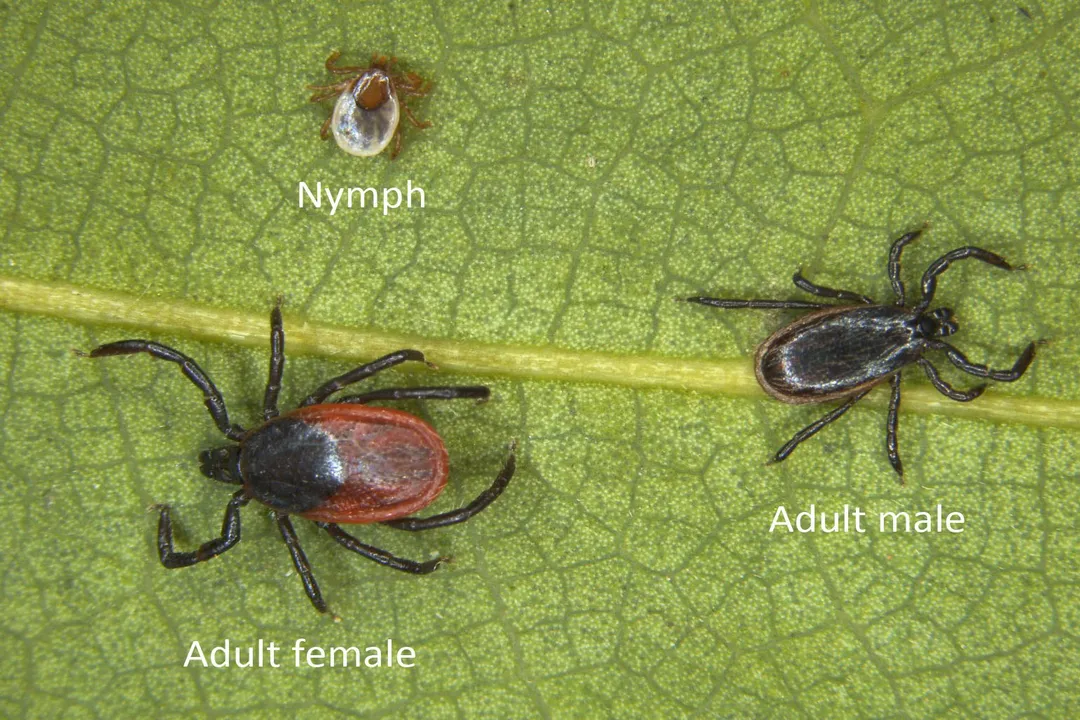
The Western Blacklegged Tick, Ixodes pacificus, belongs to the Ixodes ricinus species complex, a group of ticks that includes the primary vectors of human pathogens across the northern hemisphere. This complex features I. ricinus in Europe, I. persulcatus in Asia, and North America’s two major vectors: I. scapularis in the East and I. pacificus in the West. Molecular analysis suggests that I. pacificus shares a closer evolutionary relationship with the Asian species, I. persulcatus, than with its close North American relative, I. scapularis. Despite this placement, the specific timing of when I. pacificus established itself as a distinct species in western North America, and the precise historical pathways it took to reach its current widespread distribution, remain areas requiring clearer resolution through modern genetic investigation.
# Distribution Stability
A striking observation regarding the recent history of I. pacificus is the lack of dramatic distributional change over the last half-century, especially when contrasted with the eastern blacklegged tick, I. scapularis. Records compiled from the late 1800s through the 1940s already mapped I. pacificus across the Pacific Coast, extending from Southern California up to Northern Washington, including foothill areas in the Sierra Nevada and parts of western Utah. Modern surveillance maps from the 2020s show a geographic outline highly similar to those drawn in the 1940s. This stability contrasts sharply with I. scapularis, which has experienced a marked range expansion across the eastern US over the last fifty years.
This difference in range trajectory appears linked to divergent historical ecological pressures on host populations. During the late 1800s and early 1900s, deforestation and intense hunting pressure severely reduced deer populations across much of the Eastern US, which likely forced I. scapularis into small, isolated refugia. Conversely, in the far West, these pressures—deforestation and deer depredation—were seemingly less severe or managed differently. Deer, primarily Odocoileus hemionus subspecies, are the main reproductive hosts for adult I. pacificus. It appears that deer populations in the West, which recovered more rapidly following early 1900s conservation efforts, maintained sufficient numbers and geographic presence across the tick’s core range to continuously support widespread I. pacificus populations over the last century. This sustained, widespread host support may have acted as an evolutionary constraint against the kind of rapid range shift seen in the East.
# Microevolutionary Snapshots
While the overall range appears static, genetic data hints at past evolutionary events that shaped localized populations. Studies on mitochondrial DNA have shown a lack of clear geographical differentiation within the core coastal distribution spanning California, Oregon, and Washington. However, an isolated population found in Utah—separated from the main distribution by unsuitable arid desert—was genetically distinguishable and exhibited lower genetic diversity. Researchers suggest this fragmented Utah population could be the remnant of an ancient event, perhaps range fragmentation caused by Pleistocene glaciation, or a more recent, passive introduction via host migration. These isolated pockets represent natural experiments in microevolutionary divergence, where local conditions (like high elevation scrub oak habitat in Utah and Arizona) exert unique selective pressures.
# Host Shifts and Adaptation
The life cycle of I. pacificus involves a flexible feeding strategy across its stages, suggesting evolutionary adaptability to available hosts. Larvae and nymphs readily feed on lizards, rodents, and birds, while adults primarily target large mammals, especially deer. Lizards, particularly the Western Fence Lizard (Sceloporus occidentalis), are important hosts for immature stages in California. The ability of immatures to feed on a range of vertebrates, including those common in residential and suburban interfaces, allows the tick to persist even where large deer populations may fluctuate locally. The small size of nymphs, which are primarily responsible for Lyme disease transmission, highlights an evolutionary advantage where inconspicuousness aids the transmission cycle.
# Future Niche Dynamics
Evolutionary trajectory is currently being modeled against the backdrop of a changing climate. Models incorporating abiotic factors like temperature and precipitation indicate that warm, wet winters are optimal for I. pacificus survival. For the core areas (California, western Oregon, western Washington), citizen science data modeling suggests that current habitat suitability is high along the coast and in the Sierra Nevada foothills.
However, future climate scenarios paint a picture of potential contraction rather than continued expansion. Climate niche models projecting toward 2050 under moderate to high emissions pathways (RCP 6.0 and 8.5) generally predict an overall net loss in the climate niche for I. pacificus. This predicted shrinking is often seen along the current boundaries of the tick's climate tolerance. Specifically, the warmer, drier portions of its current range, such as parts of Southern California and inland desert areas, face potential contraction. This future scenario stands in opposition to the range expansions documented for other tick species, suggesting that I. pacificus may face evolutionary challenges related to increasing aridity or shifting seasonality, particularly the warming of its critical cold-season period. While some warming might allow for upward expansion into higher elevations in mountainous regions, the overall trend suggests climatic limitations may restrict its future suitable habitat more than historical factors have in the past. Monitoring these environmental boundaries remains vital, as even small changes in precipitation or temperature could critically impact populations in areas where conditions are currently only marginally suitable.
Related Questions
#Citations
History of the geographic distribution of the western ...
Predicting the current and future distribution of the western ...
Ixodes pacificus
Western Blacklegged Tick
Western black-legged tick