Western Hognose Snake Diet
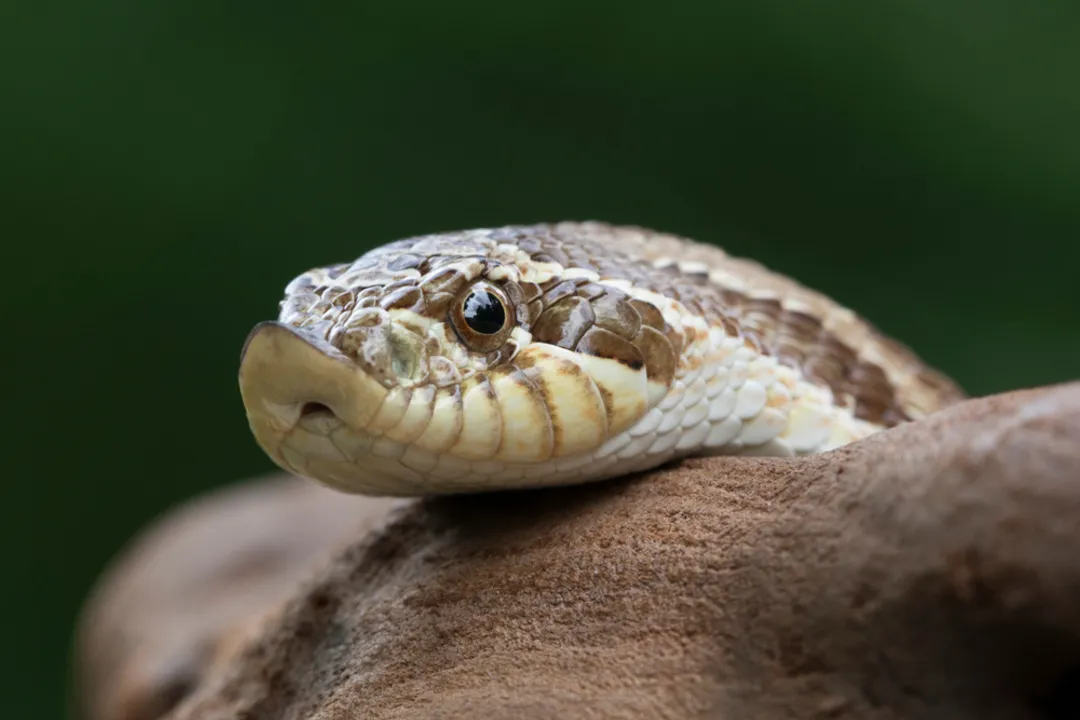
The dietary needs of the Western Hognose Snake, Heterodon nasicus, often surprise keepers transitioning them from the wild-type diet to captive care. While their natural inclination is highly specialized, successfully keeping these charismatic snakes thriving in captivity relies on understanding their preferences and presenting food in an acceptable format. [2][4] The key difference lies between what they evolved to eat and what the average keeper provides, which usually necessitates a shift towards readily available rodent-based meals. [2][4]
# Wild Prey
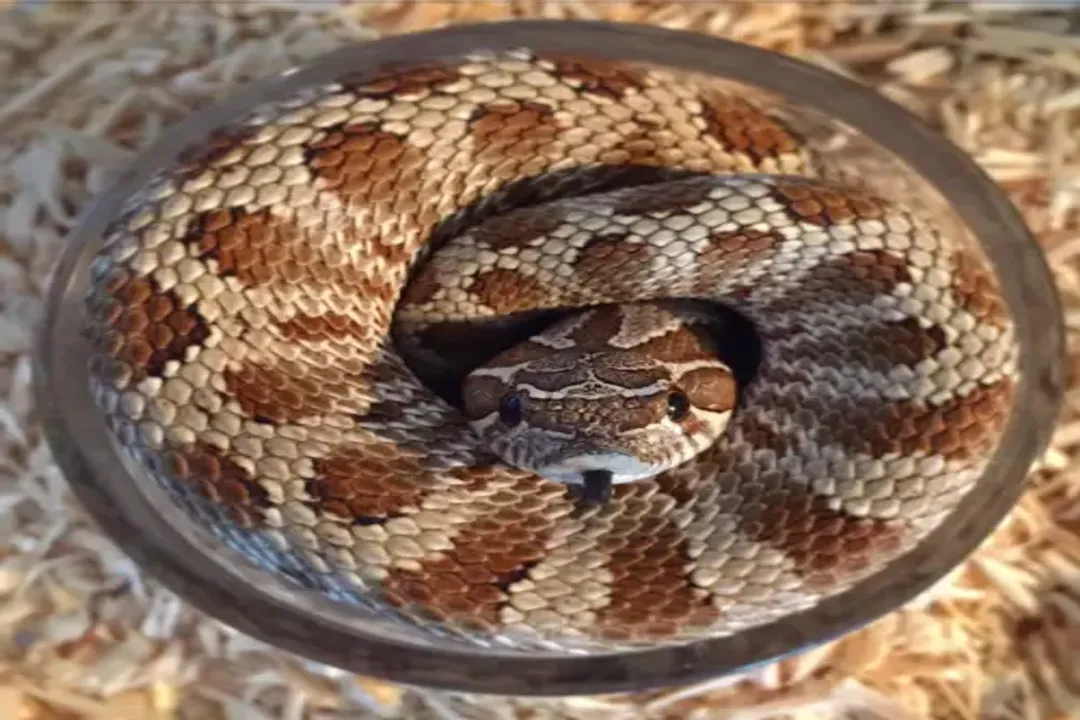
In their native habitats across the plains and prairies of North America, Western Hognose snakes demonstrate a strong preference for amphibians, especially toads. [4][9] This preference is critical because toads contain toxins that the Hognose has evolved a natural resistance to, allowing them to consume prey that would be dangerous to other snakes. [4][9] While toads are their main staple, they may occasionally consume frogs or small lizards as well. [4]
However, attempting to source or feed wild-caught toads to a captive snake is generally ill-advised due to potential parasite loads, disease transmission, and the difficulty in sourcing them consistently. [2][4] Furthermore, the natural toxins present in many toad species can pose health risks to the snake if the captive diet is not properly supplemented or transitioned. [2] This dietary specialization is the primary reason why captive breeding efforts have been so successful in transitioning these snakes onto easier-to-source prey items. [2][5]
# Captive Staples
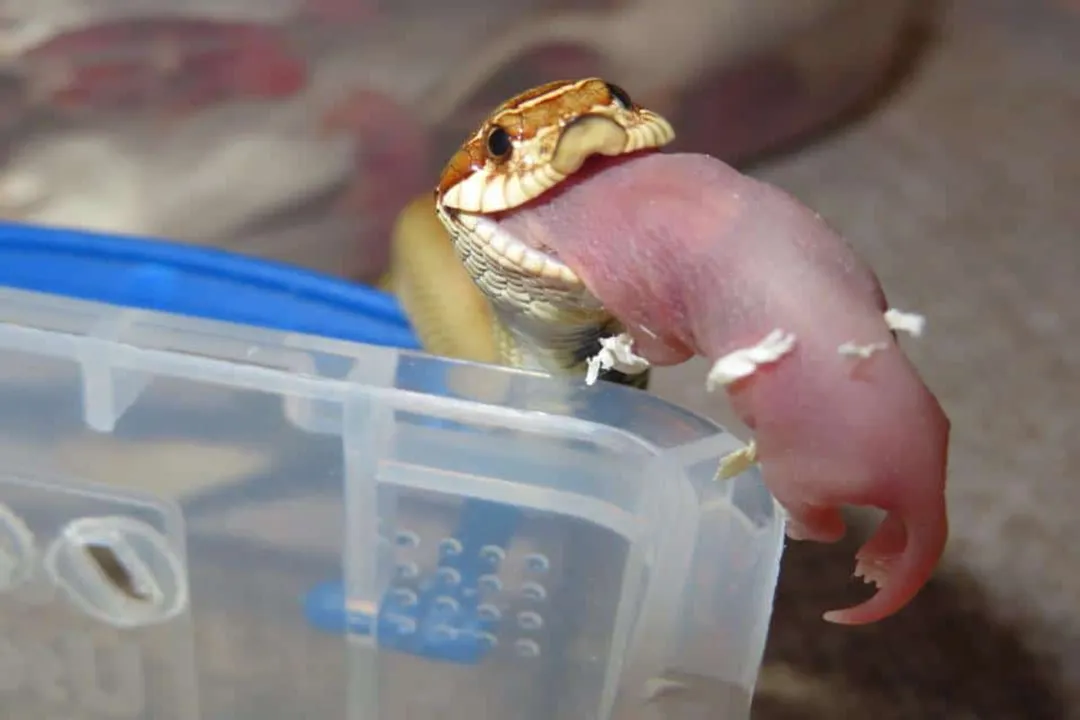
The overwhelming consensus for a captive Western Hognose diet centers on mice or rats, almost always provided deceased (frozen/thawed) rather than live. [2][4][6] Frozen/thawed rodents are preferred by most keepers for safety and convenience. [2][6]
When selecting prey size, the general guideline is to ensure the feeder is no wider than the widest part of the snake’s body, although some experienced keepers suggest slightly smaller prey items are ideal, particularly for younger snakes or picky eaters. [2][7] Hatchlings typically start on pinky mice, graduating to fuzzy mice as they grow, then to hopper sizes, and eventually adult mice or even small rats depending on the individual snake’s size and metabolism. [5][7] It is vital to monitor the snake’s body condition during these size transitions to prevent overfeeding, which can lead to obesity and related health issues. [2] One useful guideline to consider when moving up a prey size, such as from a fuzzy mouse to a hopper, is to observe the snake a few days after feeding; if the bulge is still very pronounced after 48 hours, the prey might have been slightly too large for that specific feeding cycle. [7]
For snakes that refuse rodents entirely, some keepers have success offering appropriately sized chicks or quail eggs, though these should be considered occasional supplements rather than the primary staple unless veterinary advice dictates otherwise. [2]
# Feeding Schedule
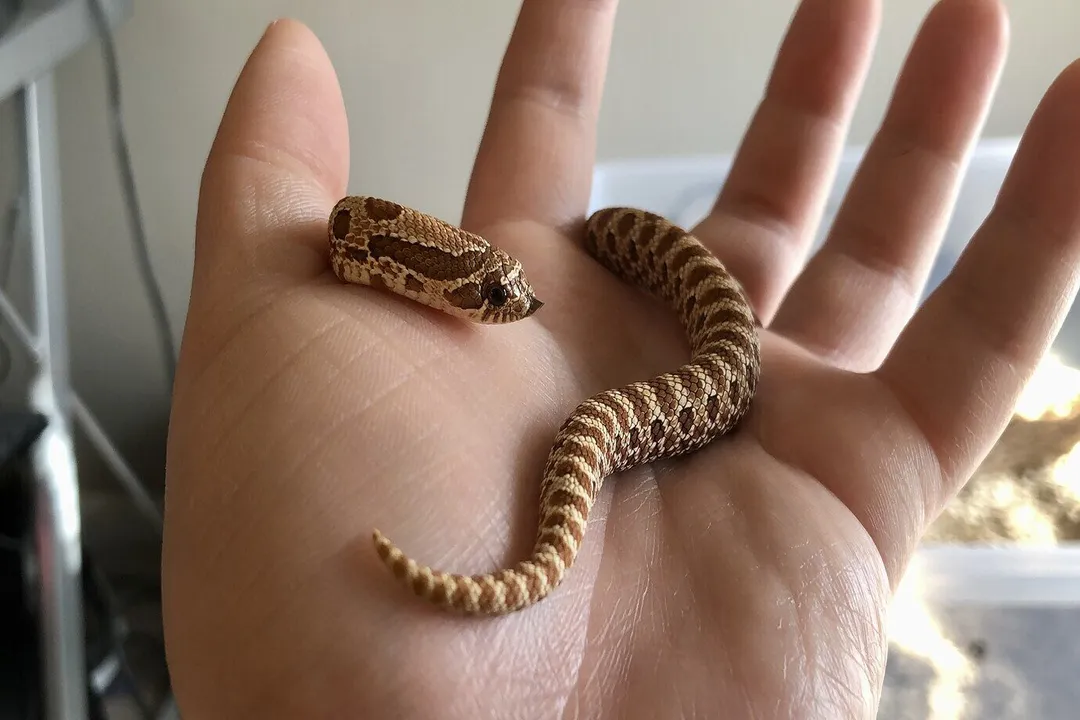
The frequency of feeding is directly tied to the snake's age and growth rate. [2][9] Younger, rapidly growing snakes require more frequent meals than mature adults. [2]
A general schedule often looks like this:
- Hatchlings/Juveniles: Meals are typically offered every 5 to 7 days. [2][9]
- Sub-Adults/Adults: Once growth slows, the frequency can often be reduced to every 7 to 10 days, or even every 10 to 14 days for very large adults. [2][9]
It is crucial to withhold feeding if the snake is showing signs of an impending shed, as the snake’s appetite often drops significantly or disappears entirely during the period when its eyes turn blue/opaque. [2] Feeding a snake while it is actively in shed, or just before, can sometimes lead to regurgitation or food strike refusal that persists even after the shed is complete. [2] If a snake refuses a meal, removing the prey item and waiting the standard interval before offering food again is the recommended course of action, rather than immediately offering a different, perhaps larger, item in an attempt to tempt it. [2][5]
# Presentation Tactics
While Hognose snakes generally adapt well to commercial captive diets, they can be notoriously stubborn eaters, often relying on scent cues ingrained from their natural diet. [5] This often means keepers must employ presentation tactics to encourage feeding.
One of the most common techniques involves scenting the prey item. [5] This process involves rubbing the frozen/thawed rodent on something with a strong, appealing odor, often toad scent, fish oil, or even commercially available reptile food attractants. [5] Scenting helps bridge the gap between the smell of a mouse and the toad scent the snake expects. [5]
Additionally, prey should always be thoroughly warmed before being offered. [3][8] A warm, soft rodent mimics the feel and temperature of fresh prey far better than a cold or lukewarm item. [3] This is usually achieved by placing the thawed rodent in a sealed bag and submerging it in very warm (not boiling) water until it reaches body temperature. [3][8] After warming, the prey should be offered using tongs, moved in a manner that suggests it is alive or freshly killed, as this visual cue can trigger the strike reflex. [3]
If a snake is particularly reluctant, some keepers suggest offering the food using a "dab and drag" method, where the warmed prey is gently dragged near the snake's face to initiate interest. [8] If the snake refuses to take the offered prey, it should be removed within about 20 minutes to prevent the prey item from drying out or developing a bacterial odor that might put the snake off future meals. [2]
# Overcoming Refusal
Feeding strikes are a well-documented characteristic of the Western Hognose, and keepers must differentiate between a true medical issue and simple pickiness. [2][5] A snake that consistently refuses food when it is not near shed, is otherwise healthy (active, clear eyes, good humidity), and is a consistent size is likely just being stubborn. [2]
When a snake stops eating, the first step should always be to check husbandry basics: temperature, humidity, and ensuring the snake is not in shed. [2] If husbandry is perfect and the snake has been fasting for a few weeks, the keeper might consider temporarily switching the type of rodent, perhaps moving to a different brand or even trying a different scent if scenting was not already employed. [5] Sometimes, simply waiting an extra week between offerings can reset the appetite of an overly comfortable snake. [2] A practical approach when dealing with an adult that misses several meals is to temporarily move it to a smaller, more easily consumable prey item for one feeding, just to get something in its system, before attempting to return to the regular size at the next scheduled interval. [7] This can prevent the snake from becoming too stressed by prolonged fasting while simultaneously avoiding the temptation to overfeed a large meal it might reject. [7]
It is also important to remember that Hognoses are burrowing snakes, and if their enclosure allows them to burrow completely out of sight, they may feel secure enough to hide for long periods, sometimes leading to missed feeding opportunities. [2] Providing deep substrate allows them to fulfill their natural instinct to dig, which can actually make them feel more secure overall, even when they decide to surface for a meal. [2] Keeping track of feeding dates in a dedicated log can help owners maintain perspective during long fasts, confirming that the snake is indeed just taking a break rather than starving. [2]
#Videos
Hognose Snake Feeding and Fun Facts! - YouTube
Hognose Snake Feeding Guide! - YouTube
Related Questions
#Citations
Hognose Diet : r/hognosesnakes - Reddit
What Do Hognose Snakes Eat? - ReptiFiles
Hognose Snake Feeding and Fun Facts! - YouTube
Western Hognose Snake Care Sheet - Northampton Reptile Centre
Any tips for feeding a western hognose snake? - Facebook
Caring For Your Hognose Snake - The Pet Express
Feeding upgrade - Hognose Snakes
17 Frequently Asked Questions About Hognose Snake Care