Which Ixodes pacificus life stage causes the majority of Lyme disease transmissions?
Answer
Nymph
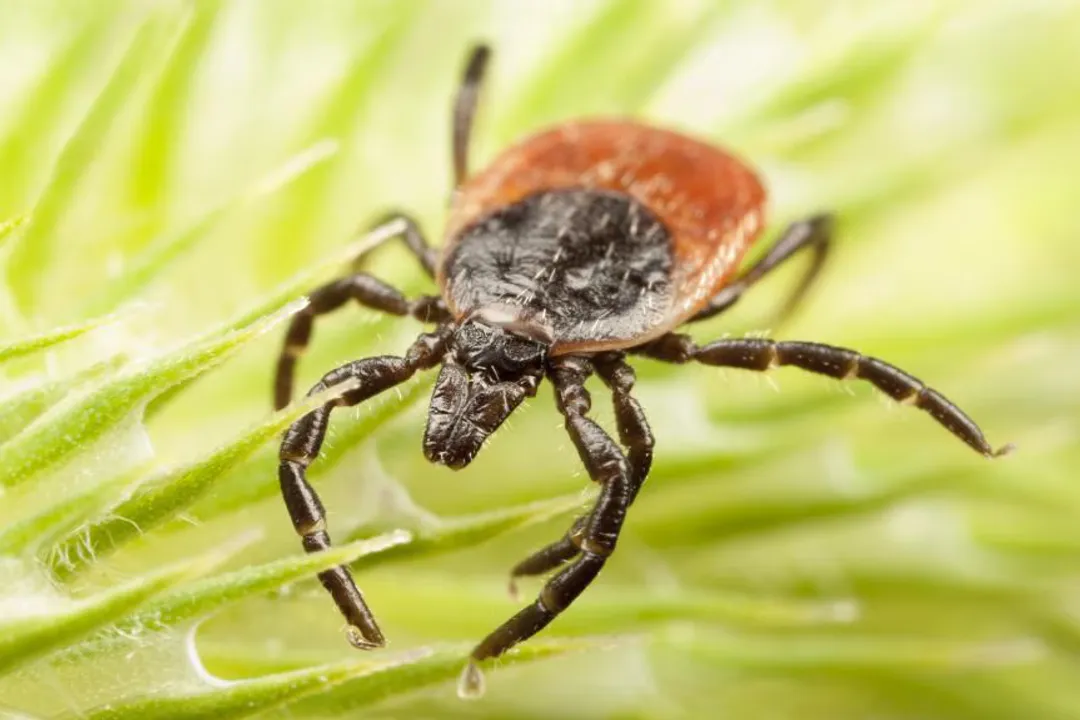
The nymph stage of the Western Blacklegged Tick is statistically responsible for the highest percentage of human Lyme disease transmissions. This heightened risk is directly attributable to the extremely small physical size of the nymph, which is often comparable to a poppy seed. Because of this minuscule size, nymphs are notoriously difficult for humans and pets to detect when they attach and begin feeding. The activity period for nymphs peaks generally from late winter through late spring and extends into early summer, which coincides with increased outdoor activity among humans, creating a significant window of high transmission potential during this specific seasonal window.
Related Questions
What is the primary disease transmitted by Ixodes pacificus in the western US?Which Ixodes pacificus life stage causes the majority of Lyme disease transmissions?What type of environment does Ixodes pacificus strongly favor over open, sunny fields?What is the scientific name for the Eastern cousin of Ixodes pacificus?How do Ixodes pacificus ticks typically encounter a host when questing?What minimum attachment duration is usually required for Borrelia burgdorferi transmission?Besides Lyme disease, what two other illnesses has I. pacificus been found to carry?Where is the highest tick density observed near cleared areas, per park management observation?What specific substrate is crucial for the preferred habitat of I. pacificus?What common surveillance method physically captures I. pacificus by dragging across vegetation?