Western Tanager Locations
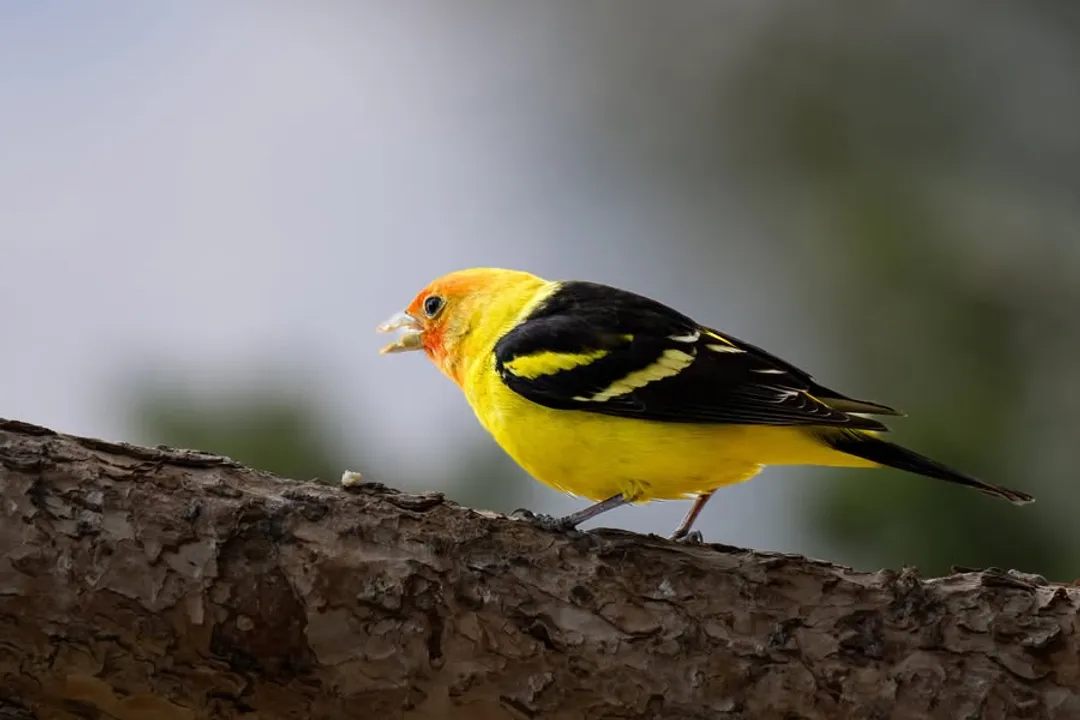
The Western Tanager presents a striking contrast between the brilliant plumage of the male during the breeding season and its more subdued appearance when wintering far south of the United States and Canada. [2][5] Knowing where this vibrant songbird spends its time throughout the year is the key to finding one, whether you are seeking the iconic red-headed singer in a high mountain meadow or catching a glimpse of the yellowish migrant passing through a backyard feeder near the Gulf Coast. Their distribution is fundamentally tied to forest structure, dictating their presence from the Rocky Mountains to the tropics. [1][5]
# Yearly Cycle
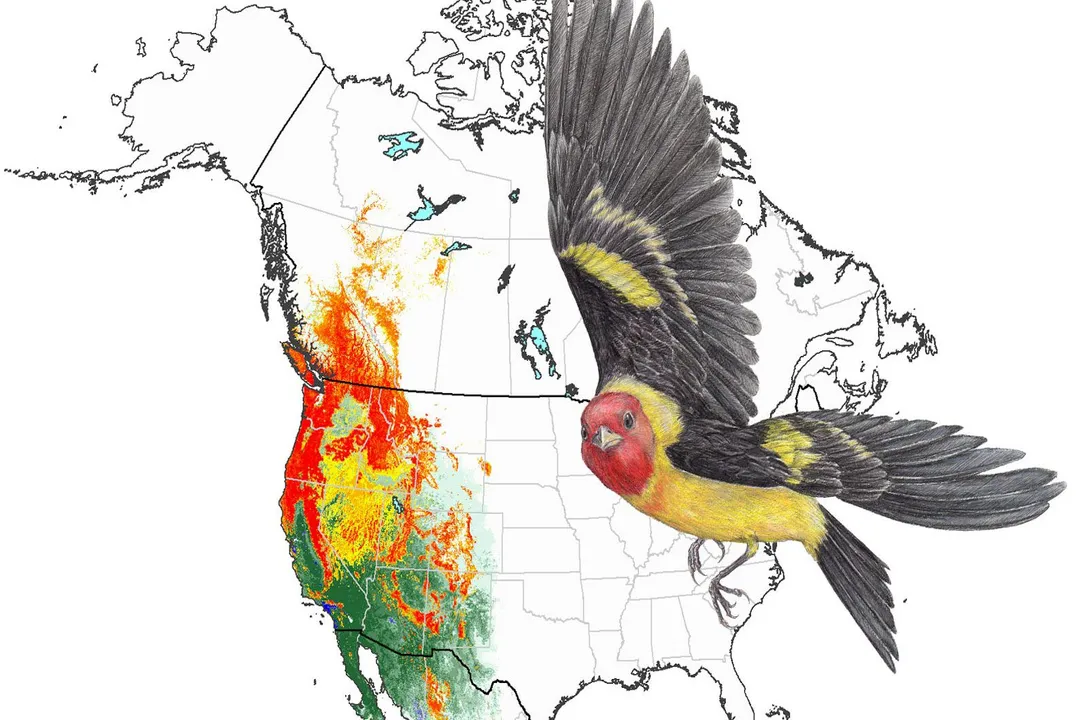
The annual life story of the Western Tanager involves a massive north-south movement across western North America. [1] During the summer months, their location is defined by the coniferous forests of the western mountains. [5] They breed from the Pacific coast east into the Rockies and north through western Canada. [2] Specifically, the breeding range extends from central Alaska and western Canada south through the western United States, reaching as far south as northern Baja California and central New Mexico. [1][5]
As summer wanes, the location shifts dramatically. Fall migration carries the birds south across Mexico, with the majority ultimately ending up in wintering grounds stretching from southern Sonora, Mexico, south through Central America as far as Panama. [1][2] Unlike some migratory species that stick to narrow routes, the Western Tanager uses a broad corridor for its movement, meaning their autumn appearance in a state like Arizona or Texas can be somewhat unpredictable depending on local weather and food availability. [1] The spring arrival back to the breeding grounds typically begins in April or May, depending on the latitude and elevation. [5]
# Mountain Forests

When seeking the breeding Western Tanager, think elevation and conifers, though they are not strictly limited to pure stands of evergreens. [2][5] They favor open, somewhat drier coniferous or mixed-wood forests. [2] Common associates in this summer habitat include various pines, firs, and aspens. [5][8] In the Pacific Northwest, for example, they are known to inhabit mid-elevation coniferous forests. [10] The key is finding an open canopy that allows for movement and foraging, often near streams or damp areas, rather than deep, dense forest interiors. [2]
A fascinating point of difference between the breeding and wintering locations lies in their primary diet, which influences the habitat they select. During the summer, the focus is on securing enough protein for nesting and raising young, which translates to active insect hunting high in the canopy. [2] This overhead foraging behavior often means that the most visible birds are singing from the tallest available tree on a clear morning. [5] If you find an area with mature conifers that still features some riparian influence or open clearings, you have likely located prime breeding territory. [2][8]
# Tropical Retreats
The shift in location when moving south for the winter is accompanied by a shift in preferred habitat structure. While still associated with trees, the wintering grounds trade the cool mountain slopes for warmer, often drier tropical scrub, semi-open woodlands, or even semi-cultivated areas like parks and orchards in Mexico and Central America. [2][5] They are generally found at lower elevations here. [2]
This change in latitude and habitat also corresponds to a change in what they consume. In the tropics, fruits and berries become a much more significant component of the diet, alongside insects. [2][5] Observationally, this can mean that tanagers in their wintering grounds are often seen foraging lower in the shrub layer or even on the ground to pick up fallen fruit, a stark contrast to the high-canopy insect pursuit characteristic of their northern nesting sites. [2] While the male loses his intense red hood, his presence among the leafy cover of these warmer areas makes him less conspicuous than his summer counterpart. [8]
# Movement Corridors
Understanding the migration route is critical for the non-breeding season birder wanting to catch a few transient visitors. The birds follow broad routes, generally moving along the western side of the continent both heading north and south. [1] For those interested in timing, the spring passage through areas like the mountains of Idaho or Montana will occur later than the passage through, say, southern Arizona or Texas. [1]
While the breeding and wintering areas are relatively defined, the migratory space allows for some flexibility. Birders across the western half of the United States, particularly along the spine of the Rockies and the coastal ranges, should remain alert from late April through May for the northbound movement. [1] Similarly, the southbound departure can be lengthy, often beginning in August and stretching into September or even October, depending on the specific latitude. [1] This period of transit often means they utilize different habitats than their breeding or wintering sites, sometimes appearing in unexpected deciduous groves or even suburban areas where food sources momentarily align with their need to refuel. [8]
# Finding Tanagers
Spotting a Western Tanager often depends heavily on when and where you are looking. [8] During the peak summer, look high in mature coniferous stands, listening for their sharp, high-pitched "chip" call or their clear, whistled song. [2][5]
For birders aiming to maximize their chances during the migratory periods across the US, it's helpful to focus on transitional zones. While the core breeding habitat is coniferous peaks, during migration, Western Tanagers frequently pass through riparian woodlands, oak woodlands, and even canyon bottoms where mixed deciduous trees offer a temporary buffet of insects and emerging berries. [2] If you are actively searching along a known migration path, pay special attention to the edges where different habitat types meet; these ecotones often concentrate the food sources needed for stopovers, making the birds temporarily more visible than when they are tucked deep within a uniform forest. [10] Don't neglect areas where fruit is abundant, as this signals an easier refueling stop, especially if the weather has been poor, forcing them lower in the vegetation. [5] Although they prefer the canopy, they can be lured closer to the ground or feeders if preferred food items like oranges or grape jelly are offered, though this is less common behavior than seeing them actively pursuing insects in the upper branches. [8] Keep in mind that their bright yellow body combined with the black wings and the male’s fiery head is a flash of color that is hard to mistake when you finally catch that glimpse. [2][5]
Related Questions
#Citations
Western Tanager Range Map - All About Birds
Western tanager - Wikipedia
Western Tanager | Audubon Field Guide
Western Tanager Piranga ludoviciana - eBird
Western Tanager - State of the Birds
Western tanager bird description and habitat - Facebook
Meet the Western Tanager - Birds and Blooms
Piranga ludoviciana (western tanager) - Animal Diversity Web
Distribution Map - Western Tanager (Piranga ludoviciana)