How is the geographical distribution of *Rena humilis* restricted specifically within the state of Utah?
Answer
Observations are confined to Washington County, within the Mojave Desert portions
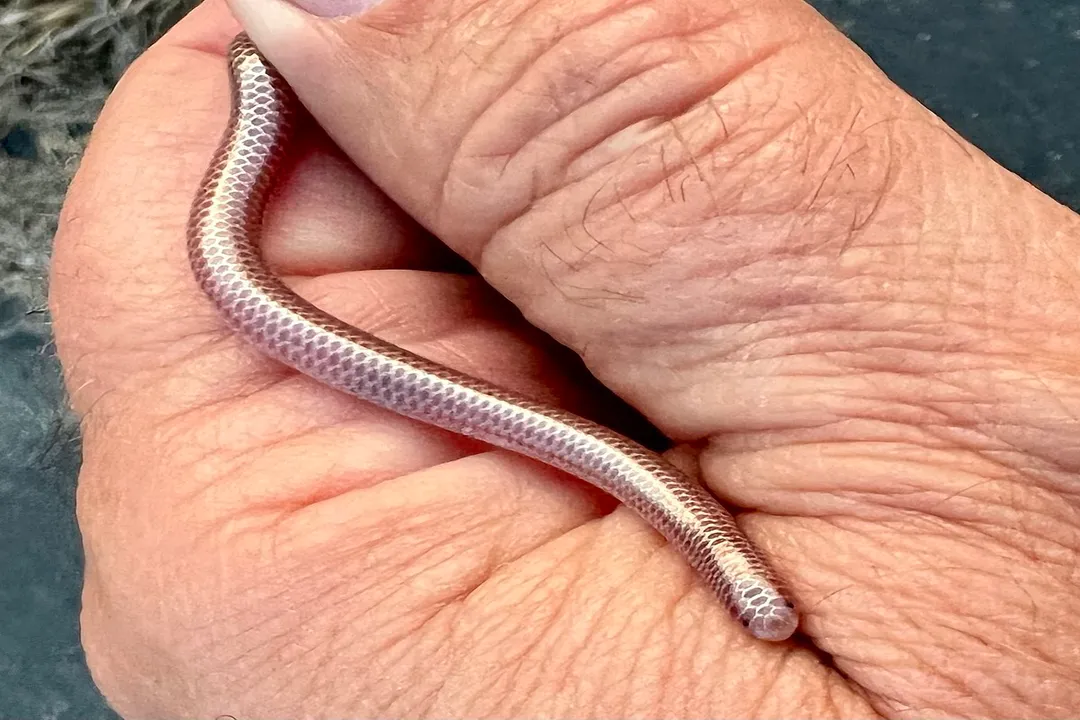
While *Rena humilis* has a broad distribution across the Southwest, its presence in Utah is highly localized and restricted geographically. Specifically, observations confirm that this species, referred to locally as the Utah Blind Snake (*R. h. utahensis*), is found exclusively in the extreme southwestern portion of the state. This limited area corresponds geographically to the Mojave Desert environments within Washington County. Furthermore, these specific locations generally fall within an elevation band between 2,500 and 4,000 feet, indicating specific microclimate and substrate requirements met in that corner of Utah.
Related Questions
What unique physical characteristic of *Rena humilis* allows researchers to observe it under specialized gear?What is the primary function of the sharp spine found at the terminus of the Western Blind Snake's tail?How is the geographical distribution of *Rena humilis* restricted specifically within the state of Utah?What characteristic distinguishes the head scale arrangement of *R. humilis* when compared to the similar New Mexico Threadsnake?What specific soil condition is consistently required by *R. humilis* for successful burrowing and foraging?What two primary chemical and physical defensive tactics does *R. humilis* employ when disturbed or captured?What is the main classification of invertebrates that constitutes the primary sustenance for the Western Blind Snake's diet?What are the two native subspecies of the Western Blind Snake identified within the state of California?What depth can *R. humilis* achieve when burrowing beneath the surface during its subterranean existence?What reproductive pattern is observed in some female *R. humilis* regarding the care of their underground clutches?