Western Kingbird Locations
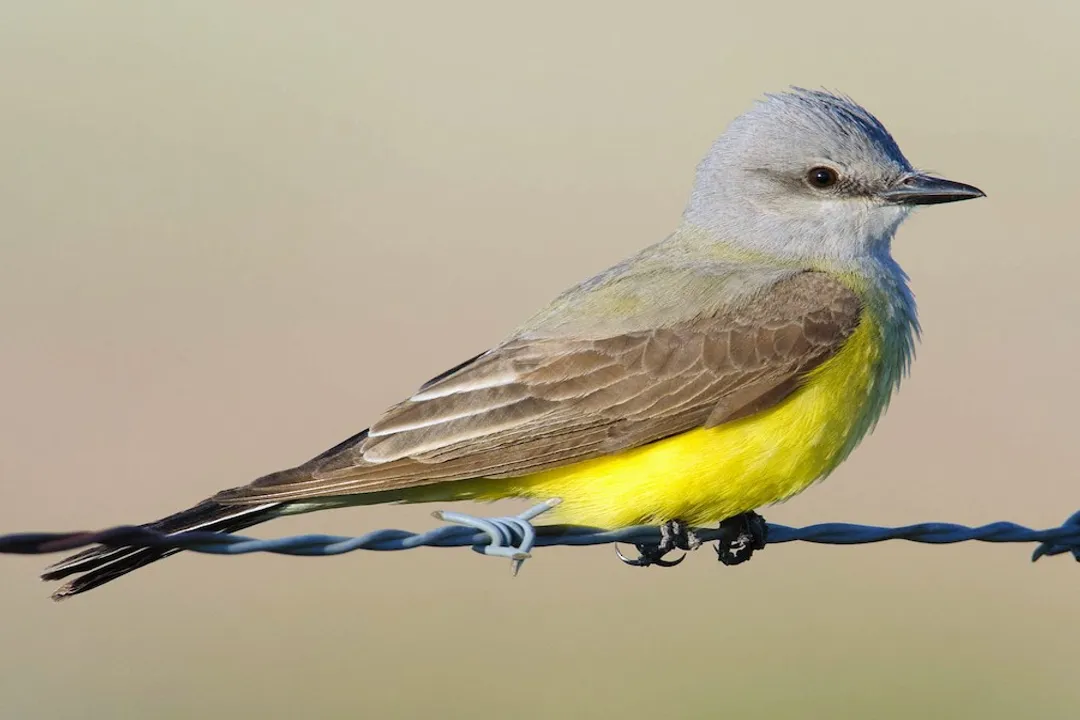
The Western Kingbird, a conspicuous member of the tyrant flycatcher family, offers birders a distinct challenge and reward based purely on where you decide to look for it across the North American continent. This species maintains an extensive range, but it is far from uniformly distributed, requiring knowledge of seasonal movements and preferred habitat structure to ensure a sighting. [6] Generally, this bird is strongly associated with the open landscapes of the western United States and Canada during the breeding season, yet its migratory corridors pull it across surprising swaths of the east during its travels. [1][3]
# Breeding Distribution
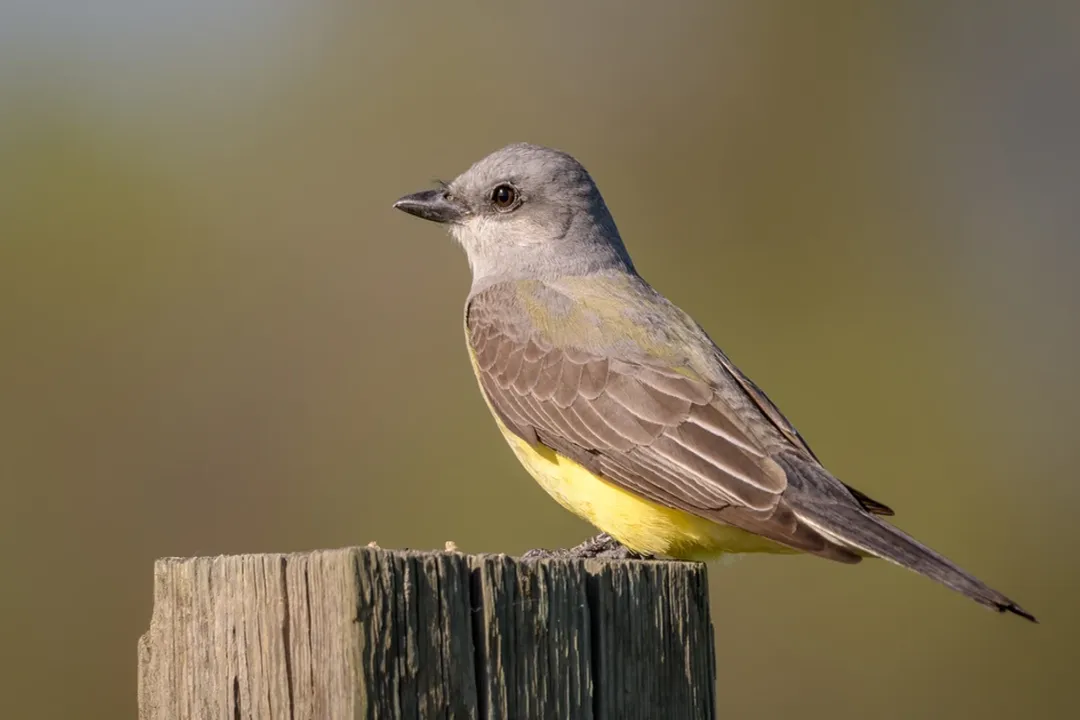
The primary stronghold for breeding Western Kingbirds lies across the interior West, stretching from central interior southern British Columbia, Alberta, and Saskatchewan southward through the western United States. [6] Specifically, observers should focus on states like Utah, Colorado, and Arizona, where they are confirmed breeders. [7] The breeding range extends eastward, somewhat patchily, across the Great Plains. [6] It is interesting to note that while they are decidedly "Western," reports indicate they can occasionally be found breeding east of the Great Plains, though these populations are far less common and typically less numerous than those in the core western areas. [3]
When scouting for a nesting pair, the key characteristic of their required environment is open country. [4] They favor landscapes that offer a mix of open ground for foraging and scattered vertical structures for perching and territorial defense. [2][6] This translates to areas such as open woodlands, sparse groves, river bottoms, and particularly agricultural lands. [4]
If you are birding through the coniferous forests typical of the higher elevations in the Pacific Northwest, you might be surprised to find the Western Kingbird less frequently present than in the semi-arid scrublands or expansive prairies just to the east. The density of tall, unbroken canopy seems to deter them; they require visibility across wide open spaces to hunt their insect prey. [8]
# Migratory Corridors
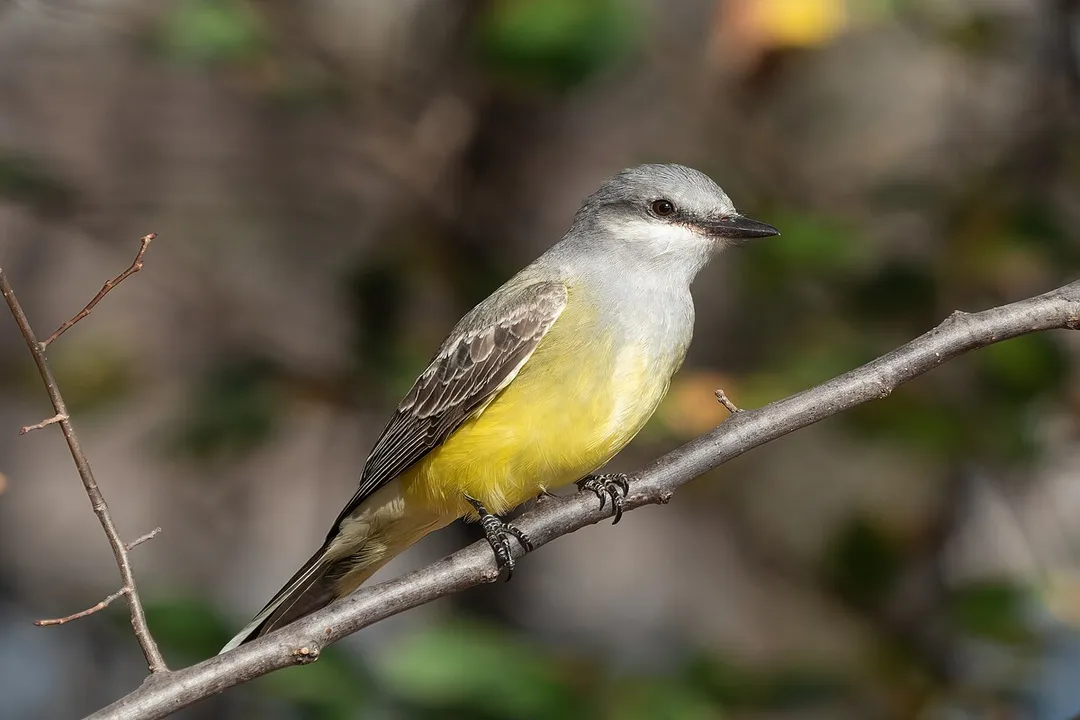
The movement of the Western Kingbird between breeding and wintering sites is a significant factor in where birders can expect to encounter them outside of the main nesting season. During migration, the species tends to funnel through the central and eastern United States. [1] This means that a birder in, say, central Texas, might see a massive influx of these birds passing through during migration—birds that may have bred much further north in the Dakotas or Canada—long before they see any established breeding pairs in their local area. [4]
The spring migration generally moves northward from late March through May, while the fall migration south occurs from August to October. [5] For the experienced observer, noticing a sudden spike in kingbird sightings far east of the established breeding belt during early September is a strong indicator that migration is underway. This phenomenon is a consequence of birds taking slightly different routes southward, perhaps driven by prevailing winds or slight shifts in foraging opportunities along riparian corridors. [3]
If you are tracking migration patterns, remember that while the core breeding area is clearly west of the Rockies, the autumn dispersal often widens the effective sighting zone considerably across the central US. [1]

# Southern Extent
The wintering grounds for the Western Kingbird are significantly further south than their breeding territories. Most populations head to Mexico, and many continue south into Central America. [2][3] Reports confirm their presence in countries like Honduras and Guatemala during the non-breeding season. [3] While less common, some individuals occasionally push their wintering range even further south into northern South America. [2]
This southward journey means that birders along the Gulf Coast, particularly in Texas and Louisiana, have a chance to see them as late migrants or early winter visitors, though sustained winter populations are typically south of the border. [5] For instance, while the species is a summer resident in much of Utah, by late September, most have departed for warmer climes, meaning a winter sighting there would be exceptionally rare and noteworthy. [7]
# Habitat Specifics and Perching Behavior
Understanding the Western Kingbird’s location relies as much on what is in the landscape as where the landscape is situated geographically. These birds are specialists in utilizing exposed perches for their primary foraging technique: hawking insects out of the air. [8] They will sit, sometimes quite conspicuously, scanning the surrounding open area before sallying out to catch flying prey. [6]
This dependence on vertical structure dictates their microhabitat preference. You are much more likely to find them perched atop solitary utility poles, fence posts, or even bare, dead snags within an open field rather than deep within a dense patch of trees. [2][8] If you are birding an area that seems geographically perfect—say, an open grassland—but you cannot locate any kingbirds, try moving toward an area where there are lines of power infrastructure or scattered, isolated trees. This vertical element acts as a crucial anchor point for their daily routine. [2]
One helpful observation for field identification centers on this perching behavior. Unlike some other flycatchers that prefer to perch lower or within foliage, the Western Kingbird often selects the highest available perch, providing an excellent view of the surrounding airspace. This tendency to sit atop wires, clearly silhouetted against the sky, is often the very first thing that gives away their location, even from a distance. [8] It's worth noting that in areas where utility poles are scarce, they readily adapt to natural features like tall, prominent fence posts or the tops of dead trees, provided the surrounding area remains open for foraging.
# Locating the Bird in the Field
To maximize your chances of finding a Western Kingbird, adopt a strategy based on their habitat needs during their peak seasons.
- Scan Open Areas: Focus your attention on large, open tracts of land—fields, ranchlands, pastures, and desert scrub with sparse vegetation. [4]
- Identify Perches: Systematically scan all prominent vertical structures within those open areas. Utility lines running across fields are prime targets, as are isolated telephone poles or prominent, lone treetops near open clearings. [2]
- Listen for Calls: Their loud, sharp calls, often described as a chattering “pip-pip-pip” or a loud “kree-aah,” can betray their presence even when they are difficult to see against a bright sky. [6] If you hear a kingbird call that sounds distinctly less harsh than an Eastern Kingbird, you may have your bird, especially if you are in the western half of the continent. [3]
It is also worthwhile to remember that their presence is closely tied to insect availability. Following a warm front or observing near water sources in the early morning or late afternoon often increases activity, as this is when flying insects are most abundant and the birds are most actively foraging. [4] A keen eye focused on the highest, most exposed perch in an open landscape is usually the surest path to locating this energetic flycatcher.
Related Questions
#Citations
Western Kingbird Range Map - All About Birds
Western Kingbird | Audubon Field Guide
Western kingbird - Wikipedia
WESTERN KINGBIRD | The Texas Breeding Bird Atlas
Western Kingbird Tyrannus verticalis - eBird
Tyrannus verticalis - Western Kingbird - Utah Field Guides
How to Identify a Western Kingbird - Birds and Blooms