Western Blacklegged Tick Scientific Classification
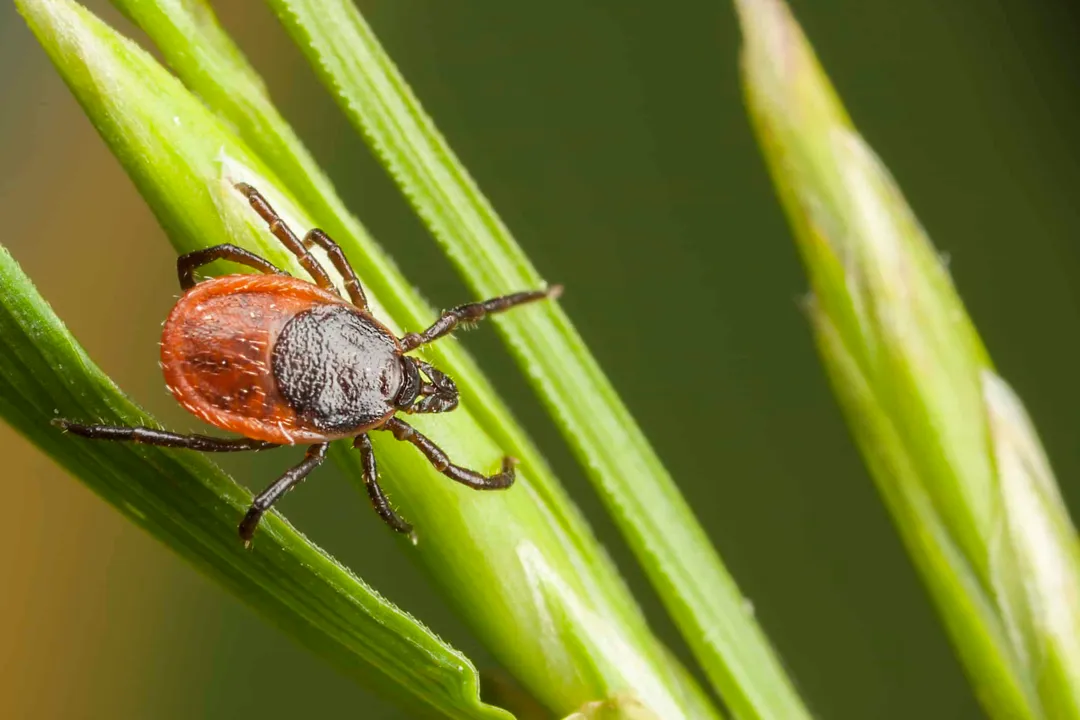
The Western Blacklegged Tick, scientifically designated as Ixodes pacificus, represents a significant focus in public health and veterinary medicine across western North America. Understanding its precise scientific classification is not merely an academic exercise; it provides the foundation for recognizing its relationship to other organisms, predicting its behavior, and developing targeted control strategies. This organism belongs to a group that has evolved for millions of years, and tracing its placement within the tree of life reveals much about its physiology and role in ecosystems.
# Life Ranks
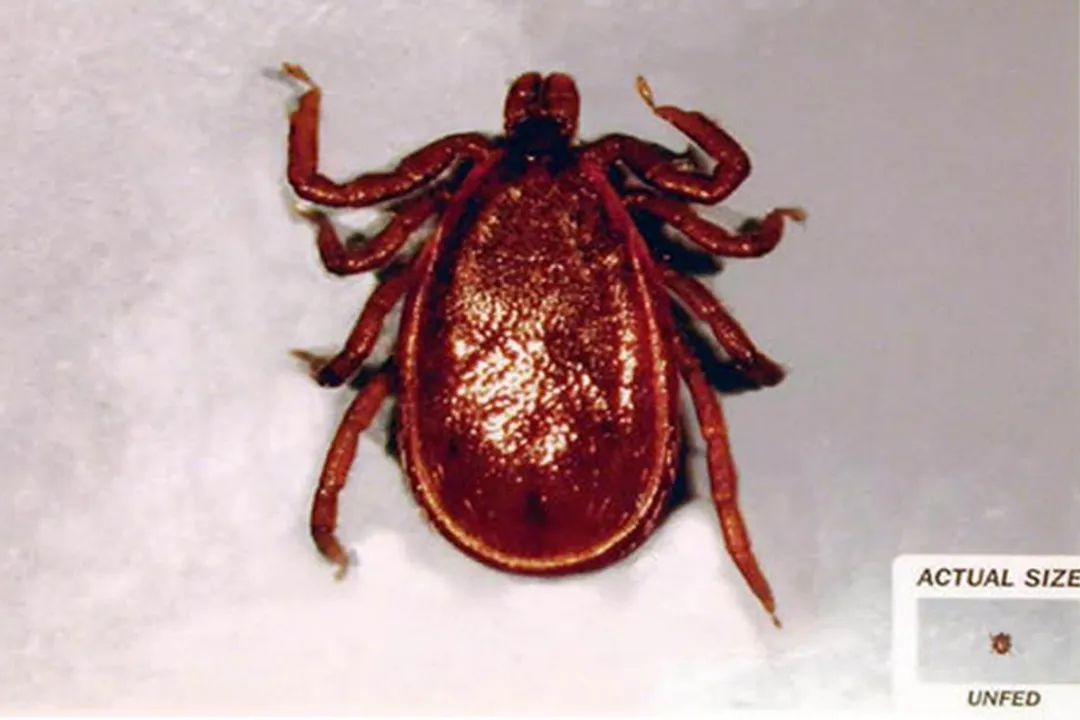
The broadest placement for this tick puts it squarely within the animal kingdom, Animalia. From there, its classification moves into Phylum Arthropoda, grouping it with insects, spiders, and crustaceans—all creatures sharing a segmented body, a jointed exoskeleton, and paired appendages. This arthropod status explains its tough exterior and its reliance on molting to grow.
Deeper within this phylum, I. pacificus falls into the Class Arachnida. This step separates it from insects, placing it alongside true spiders, scorpions, and mites. A key characteristic shared by arachnids, which distinguishes them from insects, is having eight legs in their adult and nymphal stages, rather than six. Ticks are specifically positioned within the Subclass Acari, which encompasses both ticks and mites.
# Mite Relatives
The next level down, the Order Ixodida, is where ticks are formally distinguished from other mites. This order contains the ticks, often grouped based on whether they possess a hard shield (scutum) or not. Ixodes pacificus belongs to the Family Ixodidae, commonly known as the hard ticks, because adult female specimens possess this distinct dorsal shield. This feature is crucial; the structure of the tick's mouthparts and its overall morphology, including the presence or absence of grooves near the base of the mouthparts, are used by specialists to differentiate tick species within this family.
The NCBI MeSH terms confirm that the genus Ixodes is a well-established grouping within this order. This taxonomic designation signals that these ticks generally share certain biological traits, such as relatively long feeding periods and specific host preferences across their life stages.
# The Genus
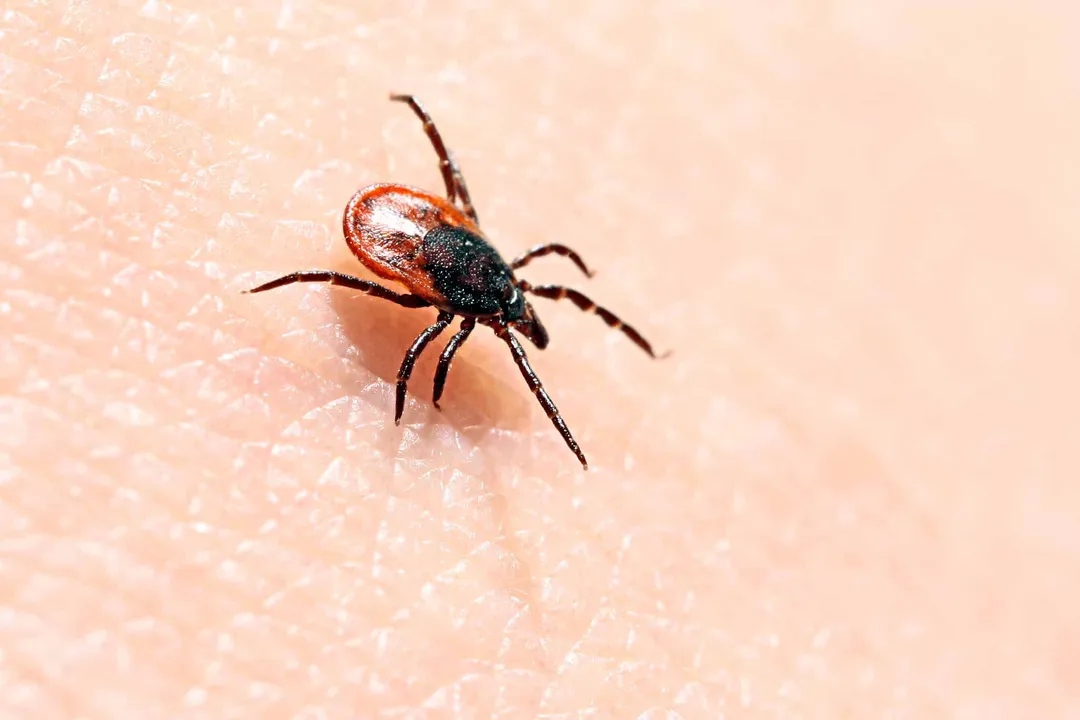
The genus classification, Ixodes, groups together ticks that share specific morphological traits that set them apart from hard ticks in other genera, such as Dermacentor or Amblyomma. Within this genus, species identification often hinges on minute details, particularly the characteristics of the capitulum (the head and mouthparts) and the relative positions of markings on the body, known as festoons.
A significant comparative point arises here: Ixodes pacificus is often discussed in tandem with its eastern counterpart, Ixodes scapularis (the Deer Tick or Blacklegged Tick). While both are in the same genus, the slight but significant differences in their morphology dictate that they require distinct management protocols based on regional ecology. For instance, analyzing tick surveillance data often requires researchers to keep I. pacificus records separate from I. scapularis to accurately track pathogen prevalence in different geographic zones. If you are trying to identify a tick found in California, noting that it belongs to the Ixodes genus narrows the field considerably, pointing toward the western species rather than the common eastern vectors.
# Specific Identity
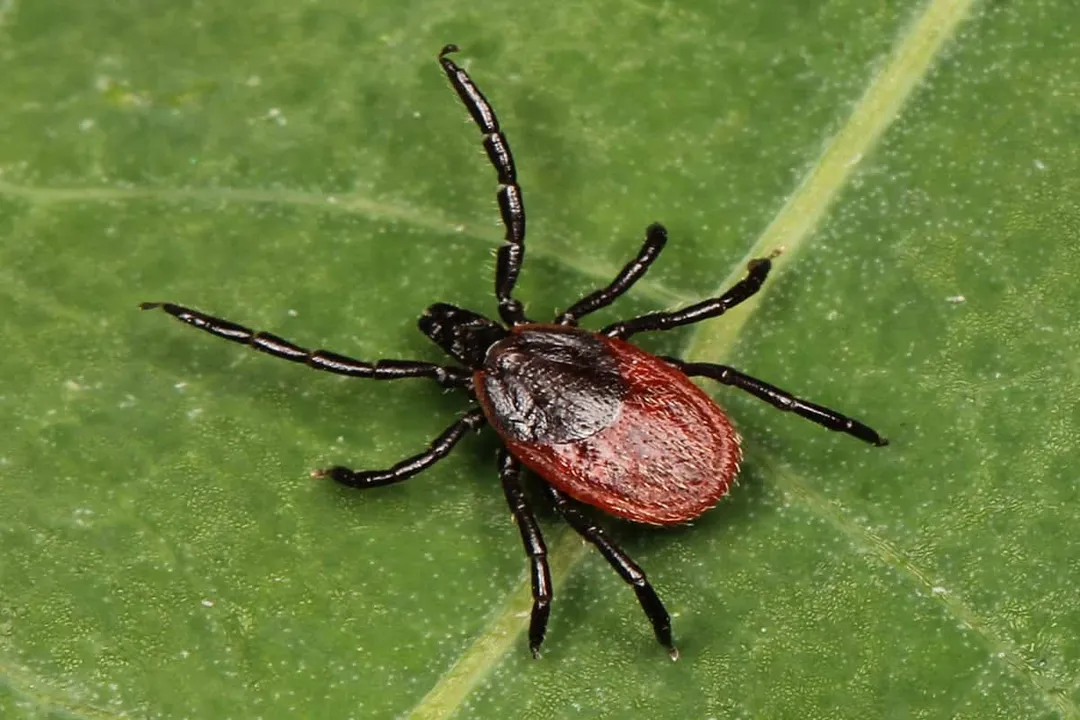
The species name, Ixodes pacificus, solidifies its unique identity. The specific epithet pacificus clearly indicates its association with the Pacific region of North America. This species is intrinsically linked to environments west of the Rocky Mountains, from southern British Columbia down through California and into Baja California. While I. scapularis dominates the Eastern U.S., I. pacificus holds the niche in the West.
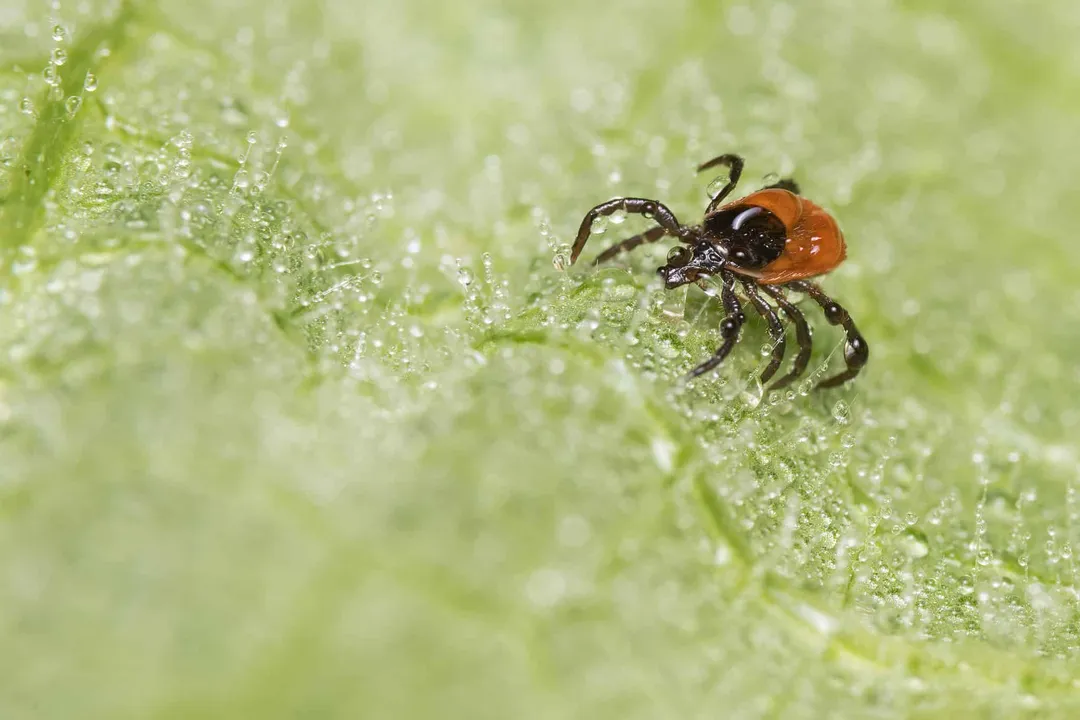
The common names associated with this scientific designation are the Western Blacklegged Tick or sometimes the Deer Tick. The appearance is often described as dark brown to black in the adult stage, with the unfed females displaying a prominent black body and legs. The larval and nymphal stages, however, are often lighter in color and are the stages most commonly associated with seeking small vertebrate hosts.
To fully appreciate the significance of this classification, consider how taxonomy informs disease ecology. The Western Blacklegged Tick is a known vector for several pathogens, most notably Borrelia burgdorferi, the bacterium causing Lyme disease, as well as Anaplasma phagocytophilum (Anaplasmosis) and Babesia microti (Babesiosis). Knowing the species is I. pacificus immediately shifts diagnostic and preventative efforts toward specific geographic regions and known host reservoirs present in the Pacific coastal ecosystems, such as the dusky-footed woodrat (Neotoma fuscipes) which serves as a critical reservoir host for Lyme disease bacteria in California.
One helpful way to view the classification layers is through the lens of risk assessment. While knowing it is in the Kingdom Animalia confirms it is an external parasite, knowing it is in the Order Ixodida tells a veterinarian or physician that they are dealing with a tick known for extended feeding times, which increases the window for pathogen transmission compared to some short-feeding mites. The genus Ixodes specifically alerts professionals that this particular tick might be capable of causing tick paralysis, a rare but serious neurotoxic effect sometimes associated with species in this group, particularly in animals like dogs or cats, which is less common with some other tick genera. This inherent biological capability is coded into its genus classification, offering a valuable shortcut for anticipating potential clinical outcomes beyond just Lyme disease.
# Vector Importance
The importance of precisely naming this creature as Ixodes pacificus stems directly from its impact on companion animals and humans. In regions where it is prevalent, controlling this species becomes a recurring necessity for pet owners and park visitors alike. The CDC tracks surveillance data specifically for I. pacificus to understand the spatial and temporal patterns of associated diseases. For example, understanding the life cycle—where larvae often feed on lizards, nymphs on birds or small mammals, and adults on deer or humans—is only possible once the species-level identification is secure.
A practical consideration for homeowners dealing with tick presence relates to the life cycle length inherent to the Ixodes genus. Unlike some other ticks that might complete a cycle in one year, Ixodes species often require two to three years to complete their development from larva to adult. This extended timeline means that eliminating an infestation requires sustained effort over multiple seasons because overwintering nymphs or larvae might still be present even after a control treatment targeting only the current active stage. If you are managing a yard where ticks are found, recognizing that you are dealing with a slow-developing Ixodes underscores the need for repeated, seasonal habitat modification—such as removing leaf litter where nymphs hide—rather than expecting a one-time treatment to solve the problem completely.
# Distribution Notes
Geographically, the presence of I. pacificus is a strong indicator of the potential risk for Lyme disease in states like California, Oregon, and Washington. Its habitat preference often includes wooded, brushy, and grassy areas. This contrasts with the eastern distribution of I. scapularis, although both species can sometimes be found in sympatry, or overlapping ranges, in transitional zones. This geographical confinement is one of the defining features used to differentiate it from its look-alikes, even before microscopic examination confirms the morphological details. The name pacificus serves as a quick geographical qualifier in diagnostic and public health settings.
In summary, the journey from Kingdom Animalia down to the species Ixodes pacificus maps out an organism defined by its jointed body, eight legs, hard shell, specific mouthpart structure, and distinctly western North American distribution. This detailed classification dictates everything from its interaction with hosts to the specific methods required to manage its populations and mitigate the risks it carries.
Related Questions
#Citations
Species Ixodes pacificus - Western Black-legged Tick - BugGuide.Net
Western Black-legged Tick (Ixodes pacificus)
Ixodes - MeSH - NCBI - NIH
Ixodes pacificus - an overview | ScienceDirect Topics
Ixodes scapularis and Ixodes pacificus
Western Blacklegged Tick Surveillance - CDC
Western Blacklegged Tick - Ixodes pacificus - A-Z Animals
Western Blacklegged Tick - Veseris
Western Black-legged Tick (Ixodes pacificus) - iNaturalist