Western Blacklegged Tick Facts
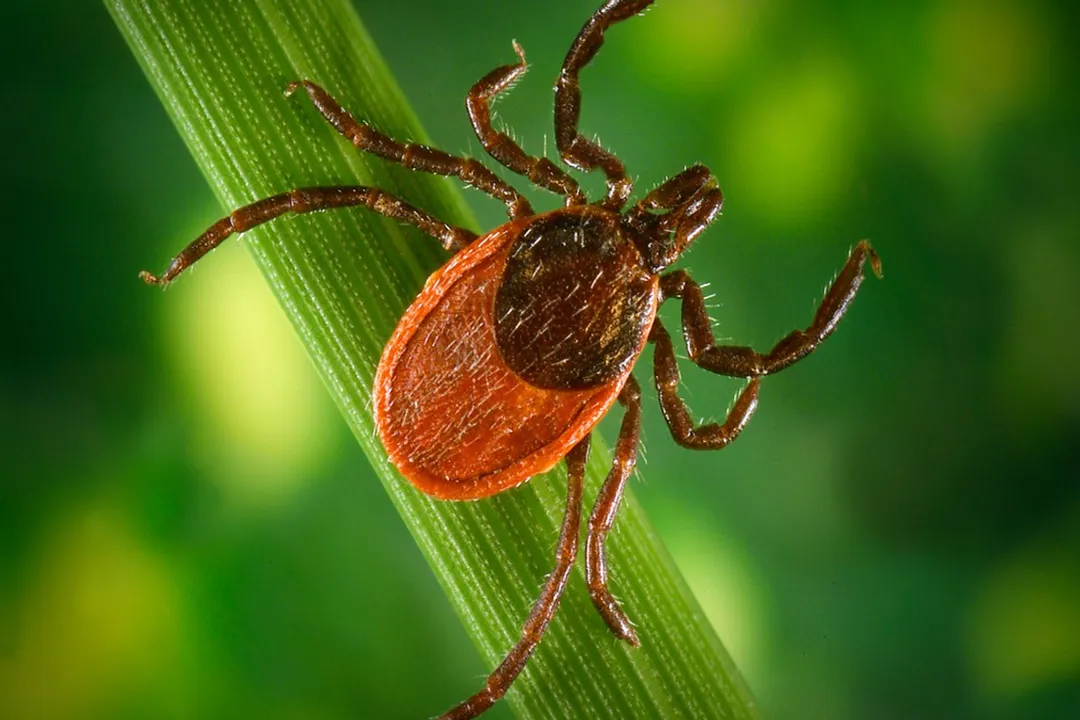
The Western Blacklegged Tick, scientifically known as Ixodes pacificus, is the primary vector responsible for transmitting several dangerous diseases across the western United States. [2][4] While often confused with its eastern counterpart, the Blacklegged Tick (Ixodes scapularis), I. pacificus occupies a distinct geographic niche, making local awareness crucial for anyone spending time outdoors from California up through the Pacific Northwest. [4][8] Understanding the appearance, habits, and risks associated with this small arachnid is the first line of defense against tick-borne illness.
# Appearance
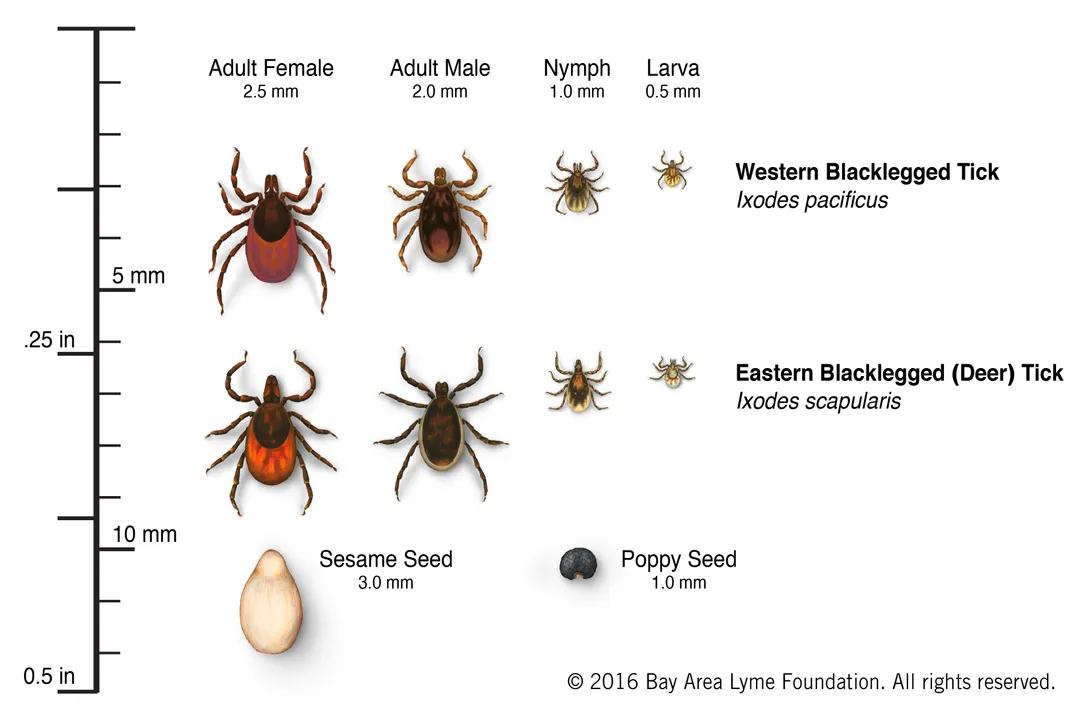
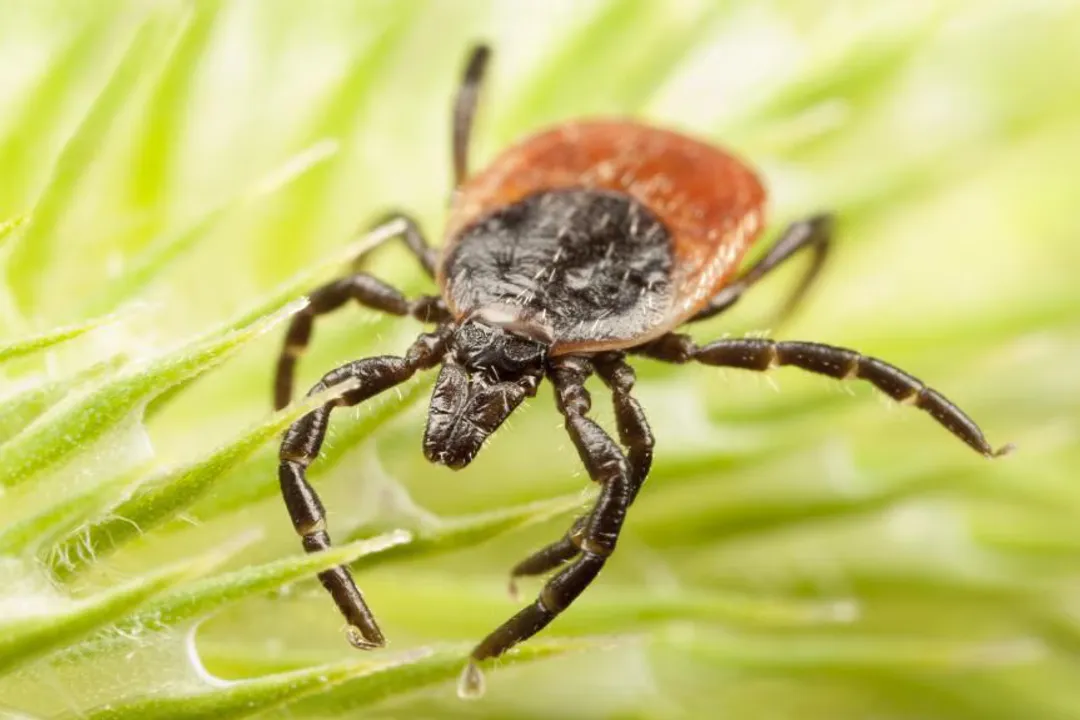
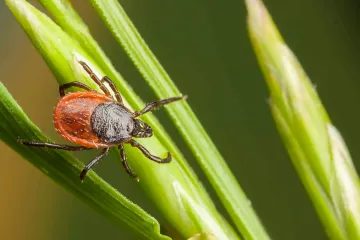
Distinguishing the Western Blacklegged Tick from other species can be challenging, especially when it is in its nymphal or larval stages, as they are often barely larger than a poppy seed. [3] Adult females are typically identifiable by their reddish-orange body contrasting with a black or dark brown scutum (the upper shield-like plate) and black legs. [3] Adult males are generally darker overall, appearing almost entirely black, and they possess a slightly mottled or grayish-brown appearance. [3][4]
Like other ticks in the Ixodes genus, both sexes of the adult Western Blacklegged Tick have eight legs, though the nymphs have six. [4] Immature ticks, larvae and nymphs, are particularly worrisome because they are smaller and thus easier to overlook during checks. [3] After feeding, all life stages will become noticeably engorged and swollen. [3]
# Geographic Spread
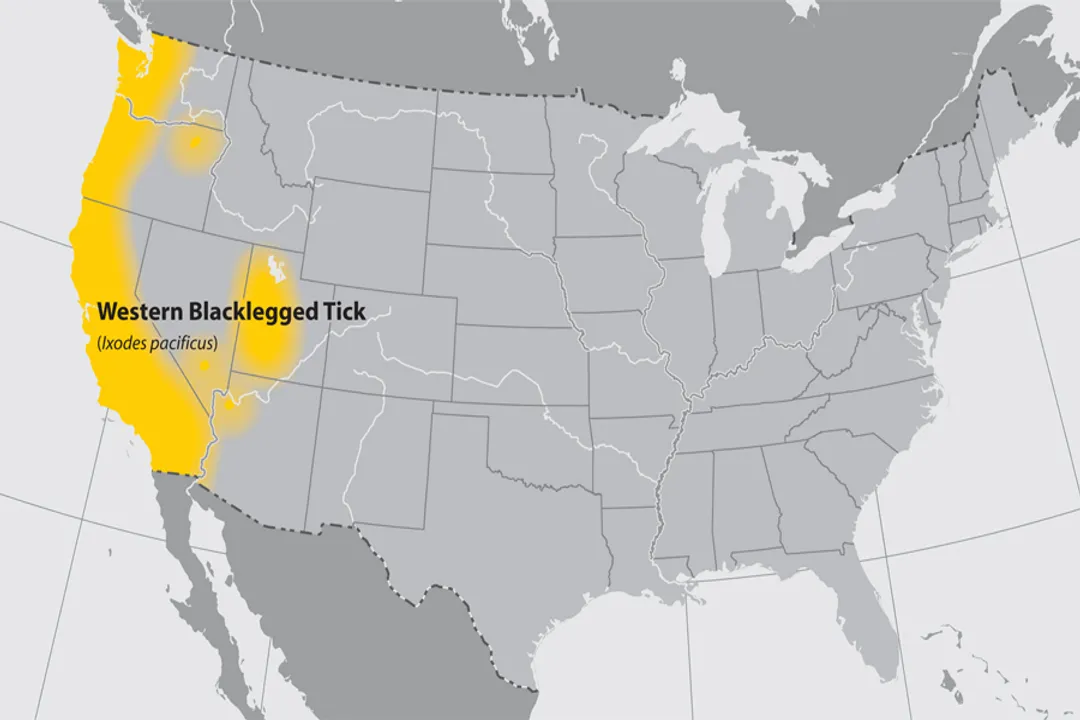
The distribution of I. pacificus is clearly concentrated along the Pacific Coast. [2][4] Its historical range spans from Southern California northward through Oregon and Washington, and it can also be found in adjacent inland areas, particularly where favorable habitats persist. [2][4][8] You are most likely to encounter quests from these ticks in coastal scrub, oak woodlands, and forested environments, especially areas with significant leaf litter or dense underbrush. [6][8]
It is important to note the geographic difference in risk. While the Eastern Blacklegged Tick (I. scapularis) is the main concern for Lyme disease in the Eastern and Midwestern US, I. pacificus holds that role in the West. [7] A person living in, say, coastal Oregon faces a risk profile heavily weighted toward I. pacificus pathogens, which may differ from those prevalent near New York or Minnesota. [2] This regional specificity underscores why identification and knowledge of local vectors are essential for accurate risk assessment. If you are hiking in the redwood forests of California or exploring the dense brush near the Oregon coast, I. pacificus is your primary concern. [4][8]
# Tick Stages
The life cycle of the Western Blacklegged Tick typically spans two years, involving three distinct feeding stages: larva, nymph, and adult. [4] Each stage must take a blood meal from a host to develop into the next stage, requiring three separate hosts over its lifetime. [4]
- Larva: Hatches from an egg, takes one blood meal, then molts into a nymph. [4] Larvae are generally uninfected with pathogens until they feed on an infected host. [6]
- Nymph: The nymph stage is often the most common stage encountered by humans and pets because they are very small and active during late spring and early summer when outdoor activity peaks. [3] Nymphs can transmit disease agents, including the bacteria that causes Lyme disease. [3]
- Adult: After questing and feeding as a nymph, the tick molts into an adult, which seeks a larger host for its final blood meal before mating and laying eggs. [4] Adult ticks are active primarily in the cooler, wetter months, often from late fall through early spring. [6]
While feeding habits can vary, I. pacificus commonly feeds on lizards, small rodents, birds, and various mammals. [6] Lizards, such as the Western Fence Lizard, are known to feed on ticks, and some research suggests that the lizard's blood may actually kill some of the Lyme disease-causing bacteria (Borrelia burgdorferi) that the tick carries, though this doesn't eliminate the risk entirely when other hosts are involved. [1][7]
# Pathogen Risk
The primary public health concern regarding I. pacificus is its ability to transmit pathogens, most notably the bacteria responsible for Lyme disease. [1][7] However, this tick is not a one-disease carrier; it is capable of spreading several distinct infections. [6]
Key pathogens associated with the Western Blacklegged Tick include:
- Lyme Disease (Borrelia burgdorferi): The most widely known illness transmitted by I. pacificus in the Western US. [1][7]
- Borrelia miyamotoi: A relative of the Lyme bacterium, this infection can cause flu-like symptoms and can be particularly concerning for immunocompromised individuals. [1][6]
- Powassan Virus (POWV): This is a rare but serious virus that can lead to severe neurological disease, including encephalitis or meningitis. [1][6]
While other tick-borne diseases like Babesiosis or Ehrlichiosis are frequently mentioned in general tick literature, they are more strongly associated with the I. scapularis complex in the East, although disease ecology is constantly being updated. [5][6] Given the specific ecology of the West Coast, focusing prevention efforts on guarding against Lyme disease and B. miyamotoi remains the most critical objective when dealing with I. pacificus encounters. [1]
# Defense Strategies
Preventing tick attachment requires consistent effort, particularly during the active seasons for the nymphs (late spring/summer) and adults (fall/winter/early spring). [3][6] A key insight for residents in I. pacificus zones involves modifying landscape approach. Unlike areas dominated by I. scapularis where high grass is the main culprit, in coastal scrub habitats, ticks often quest from low-lying brush and leaf litter near the ground. [8] Therefore, rather than simply mowing lawns frequently, focus energy on creating a buffer zone by keeping shrubbery trimmed back away from recreational areas and discouraging deep leaf accumulation near frequently used outdoor spaces.
For personal protection, the use of EPA-registered tick repellents containing permethrin on clothing and gear, or DEET on exposed skin, is highly recommended before entering known endemic areas. [1] After any outdoor activity in tick habitat, performing thorough tick checks on both people and pets is non-negotiable.
Here is a checklist for a proper post-activity inspection:
- Target the Hidden Spots: Pay extra attention to areas where ticks like to crawl and attach: behind the knees, in the groin area, around the waistband, under the arms, and especially checking the scalp and ears.
- Check Gear and Pets: Ticks can hitch a ride on clothing, backpacks, or fur for hours before biting. Brush off gear outdoors before bringing it inside.
- Shower Soon: Showering shortly after coming indoors can help wash off unattached ticks, making them easier to spot before they settle in for a feed. [1]
If you do find an attached tick, prompt removal is best. Use fine-tipped tweezers to grasp the tick as close to the skin's surface as possible and pull upward with steady, even pressure, avoiding squeezing the body. [3] Once removed, clean the bite area thoroughly with rubbing alcohol or soap and water. [3] Remember that the risk of disease transmission usually increases the longer the tick is attached, making quick detection vital. [6]
Related Questions
#Citations
Western Blacklegged Tick Identification Tips | PA Tick Research Lab
Western Blacklegged Tick Surveillance - CDC
Western-Blacklegged Tick - The University of Rhode Island
Ixodes pacificus - Wikipedia
6 Facts About Black-Legged Ticks | Healthy Habits For New Pets
Western Black-Legged Tick: Everything You Need To Know - PetMD
Blacklegged Tick - Bay Area Lyme Foundation
Western Blacklegged Tick - PacVec
Guide to different tick species and the diseases they carry