Which pathogen transmitted by I. pacificus can lead to severe neurological disease like encephalitis or meningitis?
Answer
Powassan Virus (POWV)
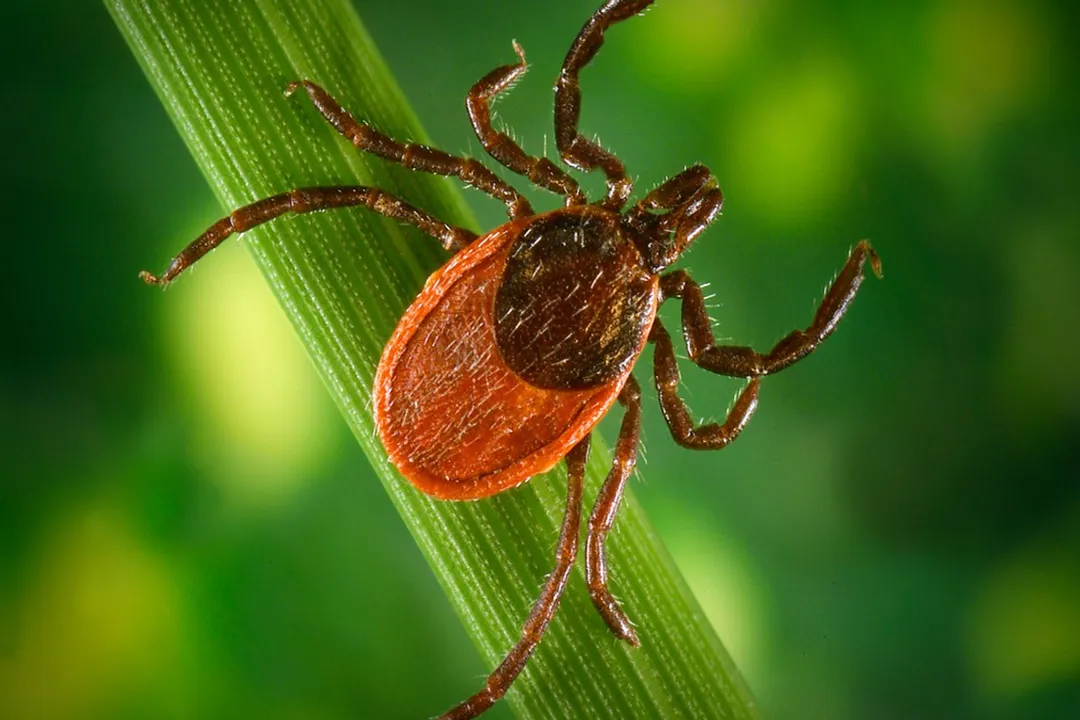
Among the key pathogens associated with the Western Blacklegged Tick, the Powassan Virus (POWV) is highlighted as a rare but serious threat due to its potential neurological impact. Infection with POWV can manifest in severe conditions affecting the central nervous system, specifically leading to encephalitis, which is inflammation of the brain, or meningitis, which is inflammation of the membranes surrounding the brain and spinal cord. While Lyme disease and *Borrelia miyamotoi* are also significant concerns transmitted by this vector, POWV represents the most severe potential neurological outcome mentioned in the context of *I. pacificus* activity.
Related Questions
How is the adult female Western Blacklegged Tick, Ixodes pacificus, visually distinguished?Which pathogen transmitted by I. pacificus can lead to severe neurological disease like encephalitis or meningitis?What difference exists between the leg count of Ixodes pacificus nymphs and adults?What is the primary role of the Western Fence Lizard regarding Lyme disease bacteria carried by I. pacificus?Which landscape strategy is recommended over frequent mowing for I. pacificus control in coastal scrub habitats?What is the approximate duration of the life cycle for the Western Blacklegged Tick?What specific repellent is advised for treating clothing and gear before entering I. pacificus endemic areas?When are nymphs of Ixodes pacificus most commonly encountered by humans due to peak activity?What two primary pathogens, besides Lyme disease, are associated with the Western Blacklegged Tick?Where along the Pacific Coast is the geographic distribution of Ixodes pacificus concentrated?