Western Gorilla Locations
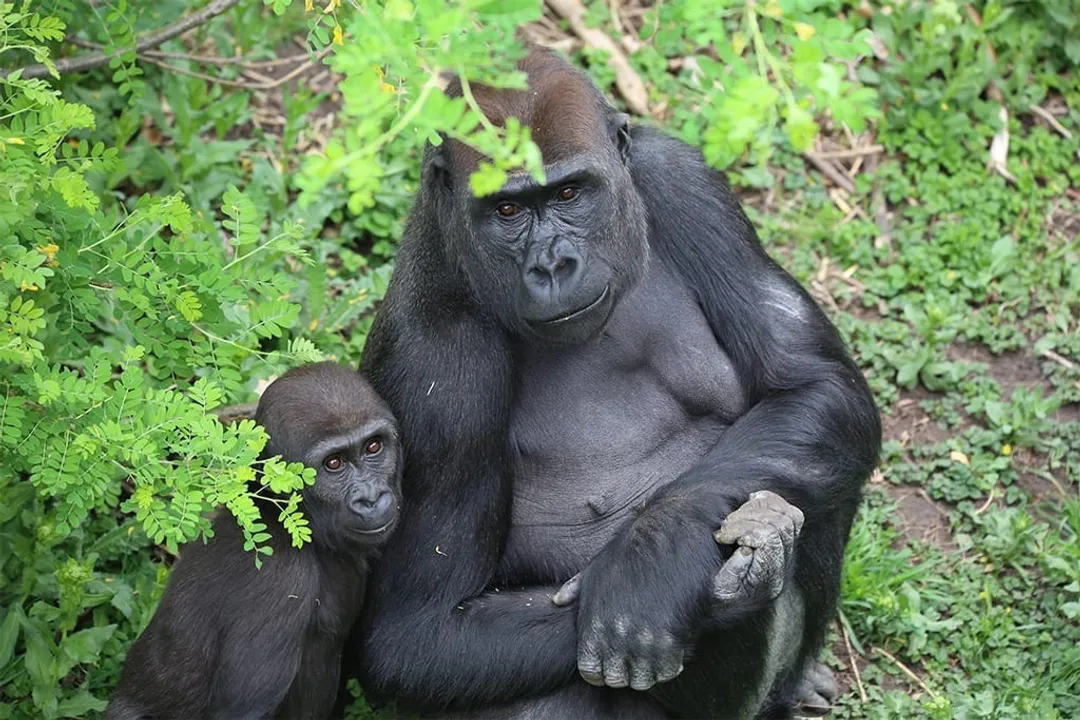
The world of gorillas is generally divided into two main species, the Eastern Gorilla and the Western Gorilla (Gorilla gorilla). [1] When focusing on the Western Gorilla, we are immediately looking at a group split into two recognized subspecies, each facing unique survival challenges across Central and West Africa. [1][10] Understanding their locations is crucial because geography dictates conservation strategy, especially considering both are classified as Critically Endangered. [10]
# Species Split
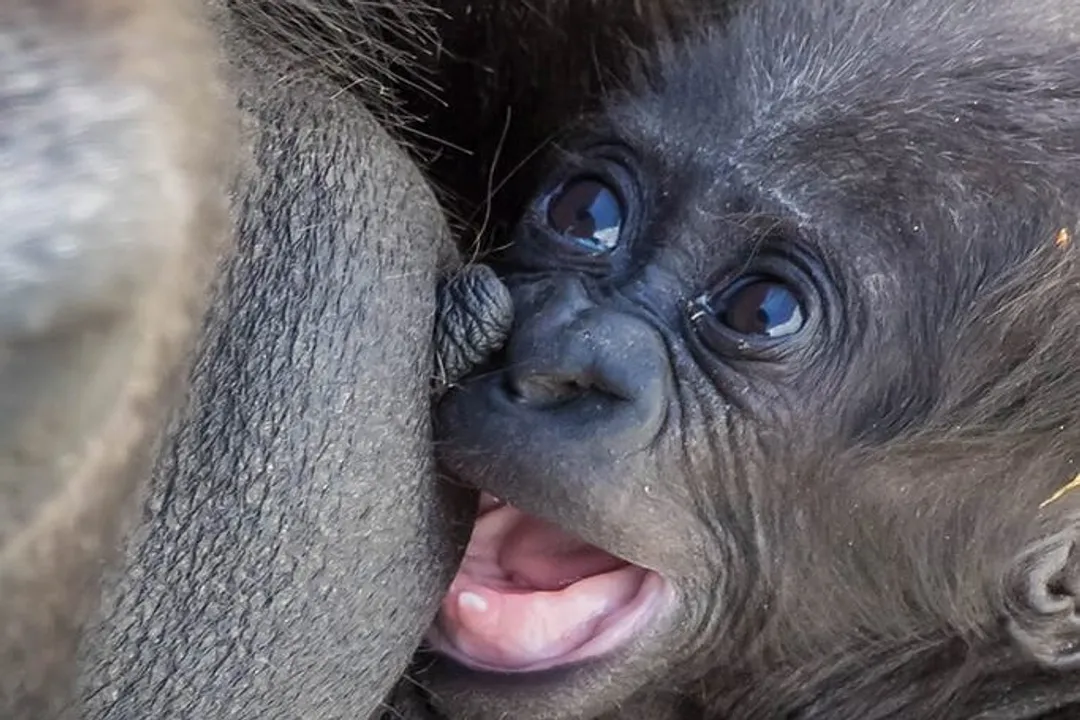
The Western Gorilla species encompasses the Western Lowland Gorilla (Gorilla gorilla gorilla) and the Cross River Gorilla (Gorilla gorilla diehli). [1][10] While they share the Gorilla gorilla designation, their geographical separation and population sizes mean they are managed as distinct conservation units. [1] The Lowland Gorilla is the more numerous of the two, yet still faces severe threats. [10] The Cross River Gorilla, conversely, clings to existence in a minuscule area, making its location knowledge paramount for immediate protection. [10]
# Lowland Habitat
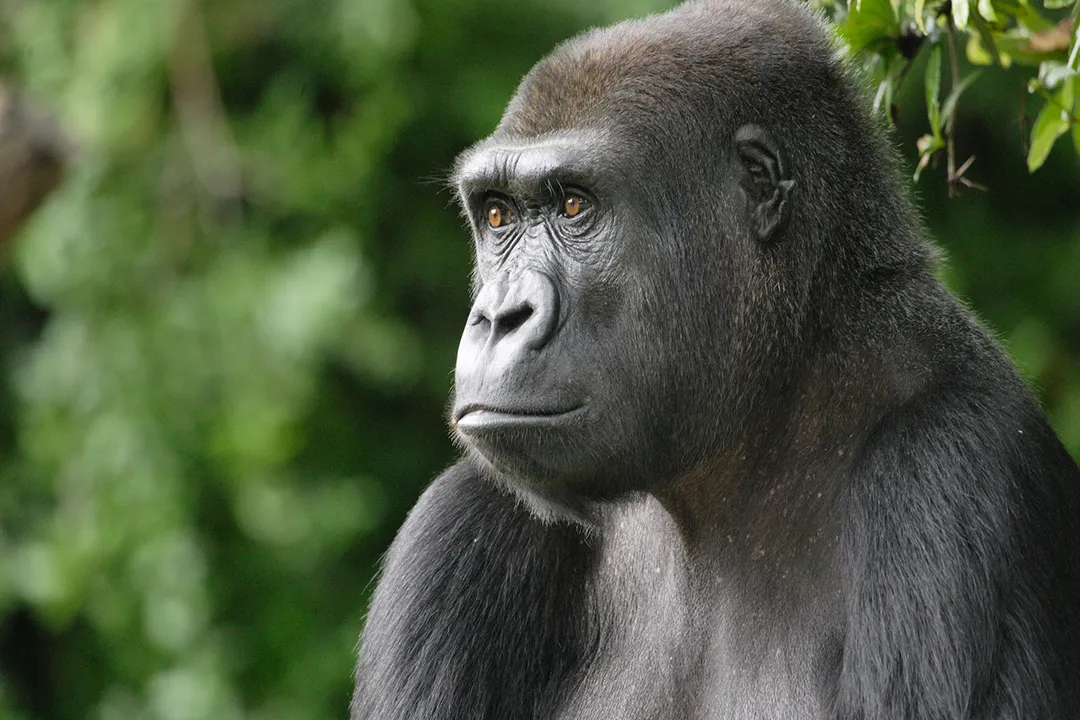
The Western Lowland Gorilla possesses the most extensive range of the gorilla subspecies, inhabiting the dense tropical lowland forests across several nations in central western Africa. [2][3][7] Specifically, their distribution covers Equatorial Guinea, Cameroon, the Central African Republic (CAR), Gabon, and the Republic of the Congo. [1][6][10] A small part of their historical range also touches Nigeria. [1]
Within this region, the largest remaining populations are concentrated in Gabon and the Republic of the Congo. [6] These two countries form the core of the Western Lowland Gorilla's current survival. [6] While the species is widely distributed across this region, its presence is often patchy, reflecting the fragmented nature of suitable forest habitat. [8] The National Zoo notes that these gorillas are native to the western central African lowland tropical forests. [3]
It is useful to visualize this distribution across the political map of Central Africa. If one were to trace the area, it covers a large, somewhat contiguous block south of the main Congo River bend. [6] In terms of numbers, the Republic of the Congo and Gabon together hold the majority of the estimated population, giving these two nations significant responsibility for the subspecies' long-term viability. [6]
# Cross River Niche
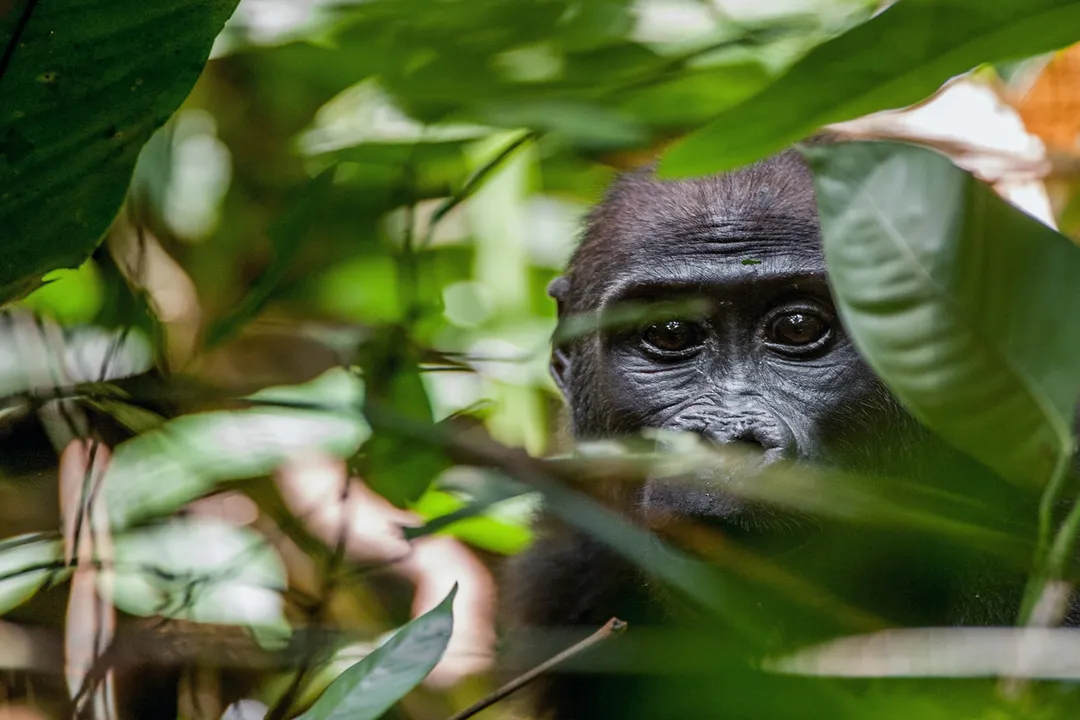
The story of the Cross River Gorilla is one of extreme geographic confinement. [1] This critically endangered subspecies exists in a tiny, highly restricted area found right along the border separating Nigeria and Cameroon. [1][10] This specific location places them in a unique position, requiring cooperation between two sovereign nations to ensure their survival. [10]
The estimated population size here is alarmingly small, often cited as fewer than 300 individuals remaining. [10] This scarcity means that the precise mapping of every small, isolated group within this border region is vital for anti-poaching and monitoring efforts. [10] Unlike the sprawling, if patchy, range of the Lowland Gorilla, the entire survival effort for the Cross River Gorilla is concentrated within a few forested enclaves in this specific, shared border area. [1]
# Forest Strata
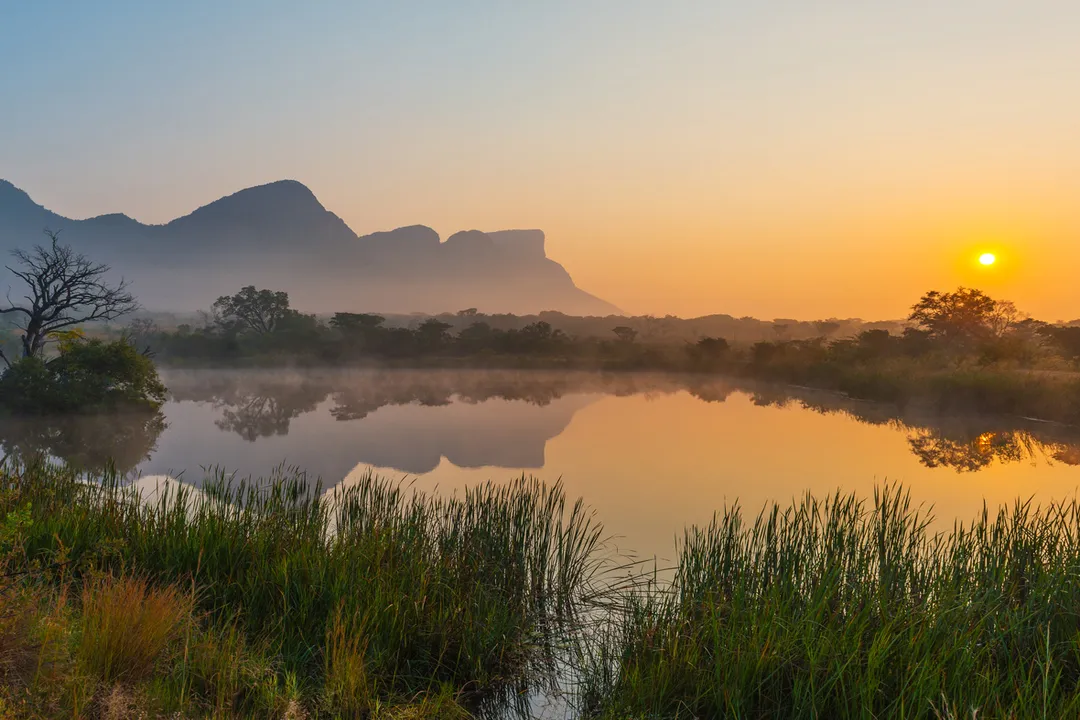
The environmental preferences of the Western Lowland Gorilla further define their location within these countries. They are creatures of the tropical rainforest, [4] specifically inhabiting dense primary and secondary forests. [10] A key characteristic of their preferred environment is that it often includes swamp forests. [10]
Their vertical location preference is also quite broad. Western Lowland Gorillas can be found from sea level and extending upwards to elevations of approximately 1,600 meters (about 5,200 feet). [6] This wide vertical tolerance, spanning low-lying swamps to sub-montane areas, suggests an adaptability to different forest structures within their broad range. [2][6] If one were to plan a field survey across a region like the Republic of the Congo, this means that tracking efforts must account for gorillas potentially residing in very wet, muddy terrain at the lowest elevations as well as in slightly higher, denser hill forests. [6] This ecological flexibility is one factor that has historically helped them survive across such a large area, provided the forest remains intact. [10]
# Distribution Contrasts
The sheer difference in geographical scale between the two subspecies offers an important perspective on conservation management. On one hand, protecting the Western Lowland Gorilla requires international agreements and monitoring programs that span multiple large countries, dealing with issues like industrial logging across vast territories. [6] The challenge here is scale and coordination across political lines. [6]
On the other hand, protecting the Cross River Gorilla boils down to intense, localized protection in a small, high-priority zone along a national frontier. [10] The management focus shifts from broad-scale forest coverage across a nation to securing specific, small forest patches where the last few hundred individuals live. [10] Imagine a problem like road construction: in the Lowland Gorilla's territory, it might fragment a large population segment; in the Cross River Gorilla's territory, a single road project could sever the only connection between two or three tiny, isolated family groups, which is potentially catastrophic for the entire subspecies. [1] This geographic disparity means that funding, anti-poaching patrols, and community engagement strategies must be drastically different depending on which gorilla population is the target of the effort. [10]
# Range Summary
To consolidate the locations, it is helpful to see where the bulk of Gorilla gorilla resides:
| Subspecies | Primary Countries | Key Habitat Type | Population Status (General) |
|---|---|---|---|
| Western Lowland Gorilla | Republic of the Congo, Gabon, CAR, Cameroon, Equatorial Guinea [1][6] | Dense Tropical Lowland Forest, Swamp Forest [2][10] | Critically Endangered [10] |
| Cross River Gorilla | Border region of Nigeria and Cameroon [1][10] | Forested Hills/Gorges [1] | Critically Endangered (fewer than 300) [10] |
While Western Gorillas are generally found in tropical rainforests across a few African nations, [4][8] the details above illustrate that these generalities mask dramatically different realities on the ground for the two existing subspecies. [1][10] Any conservation success for the species hinges on recognizing and addressing the specific geographic constraints of both the expansive Lowland population and the hyper-localized Cross River population. [10]
Related Questions
#Citations
Western gorilla - Wikipedia
Western Lowland Gorilla Population
Western lowland gorilla - National Zoo
Gorilla gorilla (western gorilla) | INFORMATION - Animal Diversity Web
Facts about the western lowland gorilla - IFAW
Distribution & Habitat - Western Lowland Gorilla (Gorilla ... - LibGuides
Western Lowland Gorilla - Denver Zoo Conservation Alliance
Gorilla Species Distribution
Western Gorilla | Creatures of the World Wikia - Fandom
Western Lowland Gorilla | World Wildlife Fund