Western Lowland Gorilla Locations
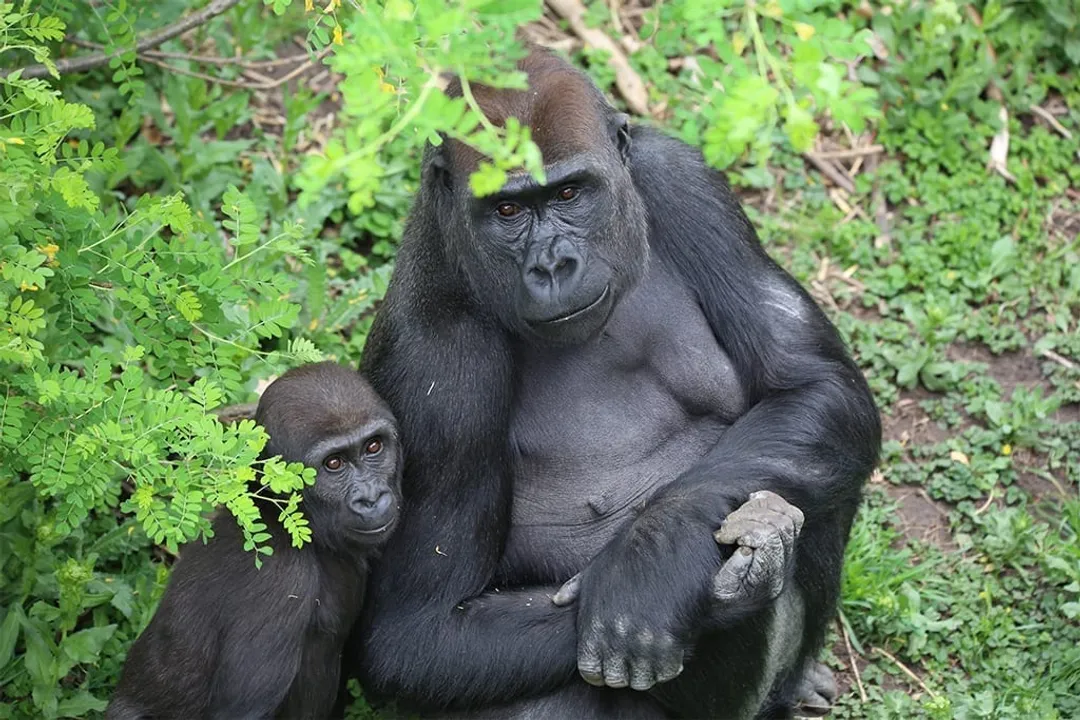
The Western Lowland Gorilla, Gorilla gorilla gorilla, is one of the world's most recognizable and, sadly, most imperiled great apes. Pinpointing exactly where these magnificent animals live involves tracing a specific band across the equatorial region of Central Africa, a territory defined by dense, humid, and often swampy forests. [1][4][6] Unlike their Eastern cousins, these gorillas occupy the western portion of the continent's great equatorial forest belt. [4]
# Central Africa
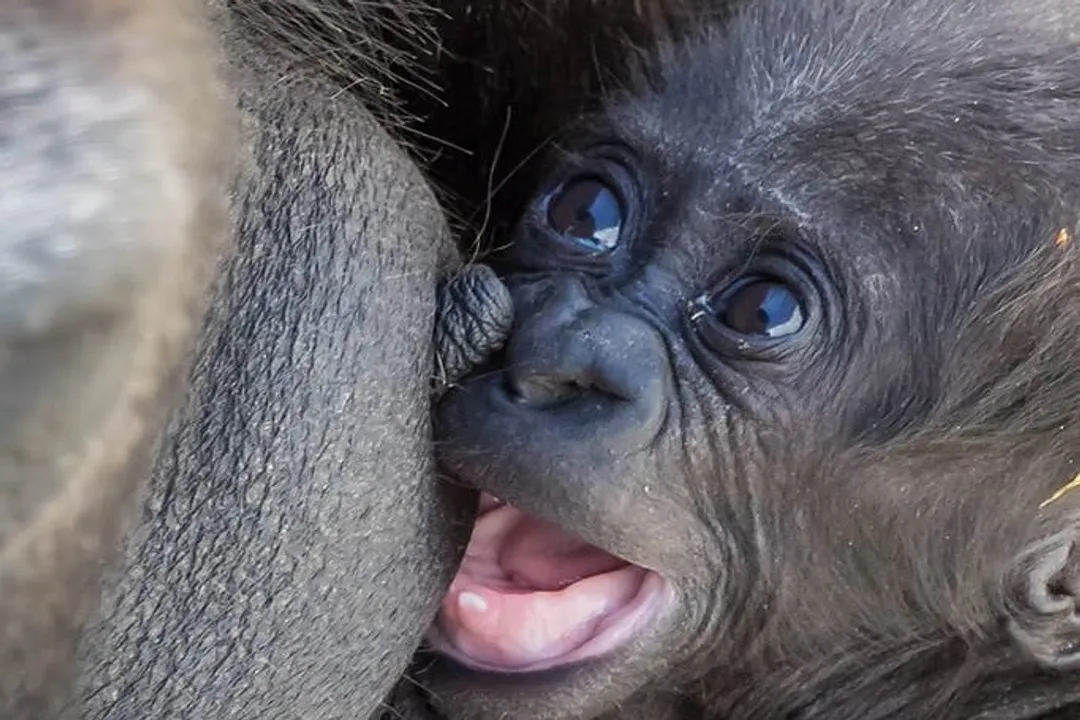
The established distribution of the Western Lowland Gorilla spans several nations, historically including parts of Nigeria, though current populations there are considered highly precarious or extirpated in many areas. [4] Today, the most substantial concentrations are found in countries like Gabon, Equatorial Guinea, Cameroon, the Republic of the Congo, and the Central African Republic (CAR). [4][5] These populations are not continuous; rather, they exist in fragmented pockets across the landscape, separated by geography, rivers, and human activity. [5][7] Understanding this patchy distribution is key to grasping the challenges they face, as populations hundreds of miles apart might seldom interact genetically, making each pocket a vital, isolated insurance policy against total loss. [4]
Considering the sheer geography, the range covers a vast area, but the actual density of gorillas within that area varies wildly depending on local conditions, resource availability, and human pressures. [2] It is important to remember that while their range is large, the effective habitat capable of supporting viable breeding groups is much smaller and under constant siege. [5]
# Jungle Structure
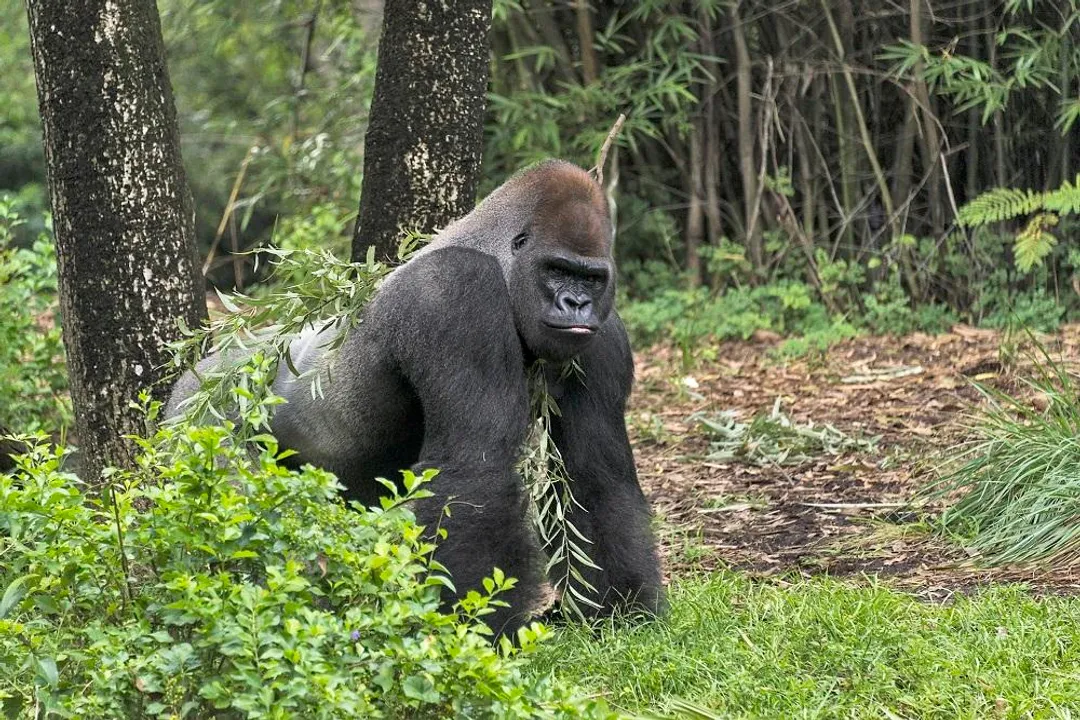
The preferred environment for the Western Lowland Gorilla is the lowland tropical forest, which can range from primary, untouched jungle to secondary growth forests regenerating after disturbance. [1][4] They are highly adaptable within this broad category, often utilizing swamp forests, dense secondary forests, and gallery forests that follow river systems. [1][5] This tolerance for varying forest structure—from dense undergrowth to slightly more open areas—allows them to persist even where human encroachment has altered the landscape, provided food resources remain sufficient. [4]
A defining characteristic of their habitat preference, which informs conservation strategy, is their reliance on the abundant vegetation found in these humid lowlands. [6] They are primarily herbivores, consuming large quantities of fruit, leaves, stems, and bark. [1][3] Therefore, any location that supports high biodiversity and continuous canopy cover is, by definition, suitable gorilla habitat. When these forests are cleared for logging, agriculture, or mining, the gorillas must either relocate to less-ideal areas or face starvation and increased contact with humans, which raises the risk of disease transmission. [5]
If one were to visualize their habitat on a map, the areas that appear greenest and least intersected by major roads or cities in the Congo Basin represent the critical zones. For instance, areas with extensive swamp cover, which naturally deter human settlement and development, often serve as crucial refuges, though they can also be more difficult for researchers to access and monitor. [5]
# Major Sanctuaries
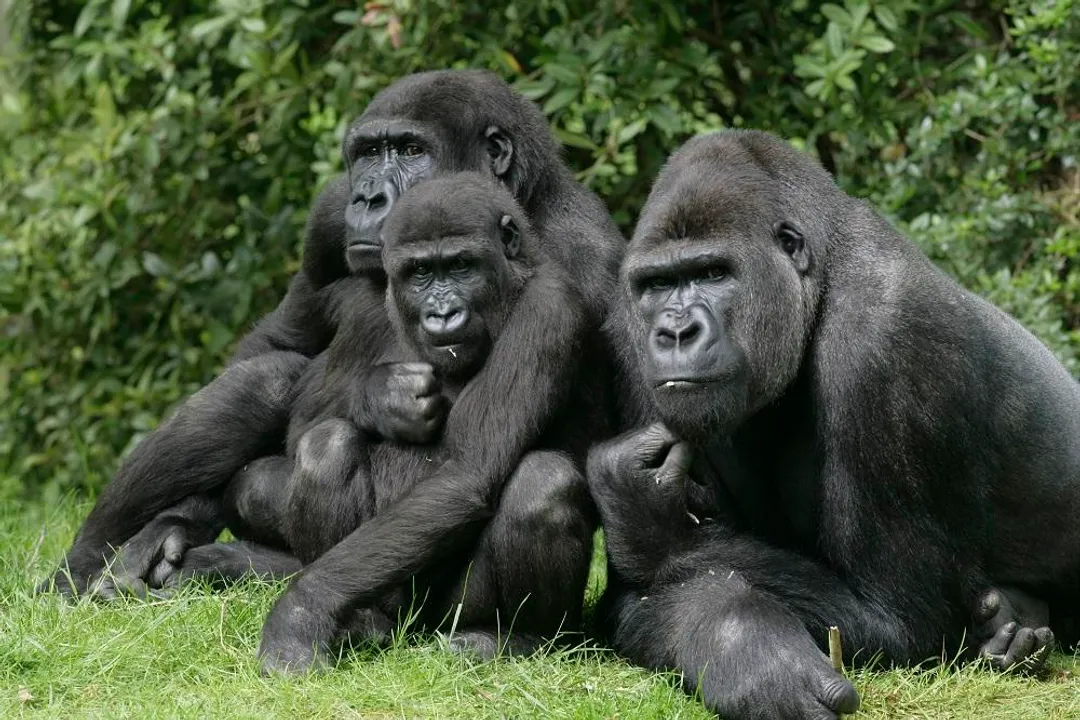
Within the broad range, certain national parks and reserves stand out as confirmed strongholds for significant numbers of Western Lowland Gorillas. These protected areas are where the majority of conservation focus and tourism efforts are concentrated. [7]
Several key locations have been identified as crucial for the survival of the species:
- Republic of the Congo: This nation hosts several large, well-protected populations, notably within Odzala-Kokoua National Park and Nouabalé-Ndoki National Park. [5][7] These parks represent some of the best-managed areas where long-term research and anti-poaching patrols operate, providing a degree of security essential for population stability. [5]
- Gabon: Gabon’s vast, roadless forest areas contain significant gorilla populations, with Loango National Park being a well-known location where different gorilla subspecies and other wildlife coexist near the coast. [7] The sheer inaccessibility of much of Gabon’s interior has historically protected large numbers of these animals. [5]
- Cameroon and Central African Republic (CAR): Both countries hold remaining populations, though security issues and infrastructure development present ongoing challenges to monitoring and protecting these groups. [5]
When planning a visit or simply following conservation news, recognizing these locations is important. A gorilla sighting, for example, is not just a personal thrill; it is a direct indicator of the success of protection efforts in that specific national park. The revenue generated by responsible, low-impact ecotourism focused on these known strongholds is frequently channeled directly back into funding the rangers and anti-poaching units that keep those specific locations safe. [7] This creates a tangible link between a visitor's presence and the physical security of the troop they came to observe.
# Conservation Zones
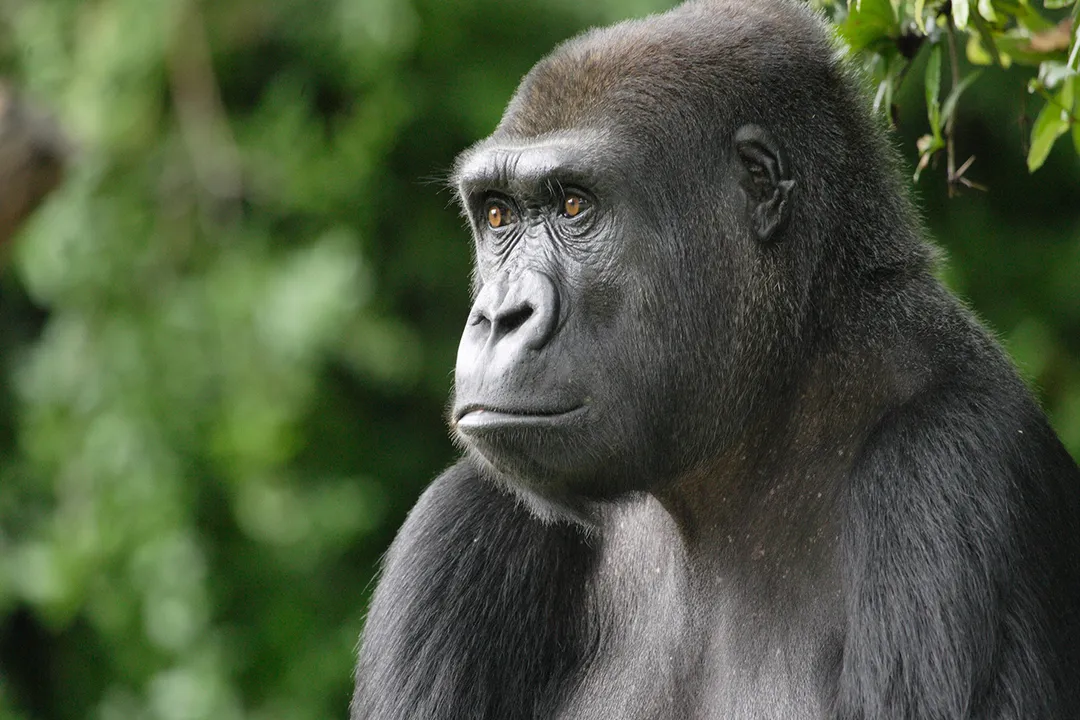
The conservation status of the Western Lowland Gorilla is dire; the IUCN lists them as Critically Endangered. [2][6] This status is intrinsically linked to where they don't live as much as where they do. The primary drivers of decline—illegal killing (poaching), habitat destruction, and the devastating impact of diseases like Ebola—are most acute where human activity overlaps with gorilla territory. [2][5]
It is interesting to note that while poaching for bushmeat and the illegal pet trade remains a threat across the range, the impact of disease epidemics can wipe out an entire localized population, regardless of protective measures in place. If a group in a small, isolated section of the forest contracts Ebola, that entire genetic lineage is lost, demonstrating that spatial distribution acts as a buffer against total species collapse. [2] The greater the separation between viable populations, the lower the risk of a single catastrophic event (like a localized disease outbreak or a sudden surge in illegal mining) eliminating the entire species at once.
The health of the contiguous forests across the Congo Basin is therefore more important than the existence of any single park boundary. Conservationists often focus on establishing wildlife corridors—stretches of protected or semi-protected land connecting isolated national parks—to encourage movement and genetic flow between groups, mitigating the risks associated with severe fragmentation that results from unchecked infrastructure growth. [7] The continued viability of the species relies on maintaining connectivity between these recognized strongholds. [5]
Related Questions
#Citations
Western lowland gorilla
Facts about the western lowland gorilla
Western Lowland Gorilla Population
Western lowland gorilla
Western Lowland Gorilla
Western Lowland Gorilla
Western Lowland Gorilla - Denver Zoo
Gorilla Habitat Map | See The Wild
Gorilla Species Distribution