Western Blacklegged Tick Locations
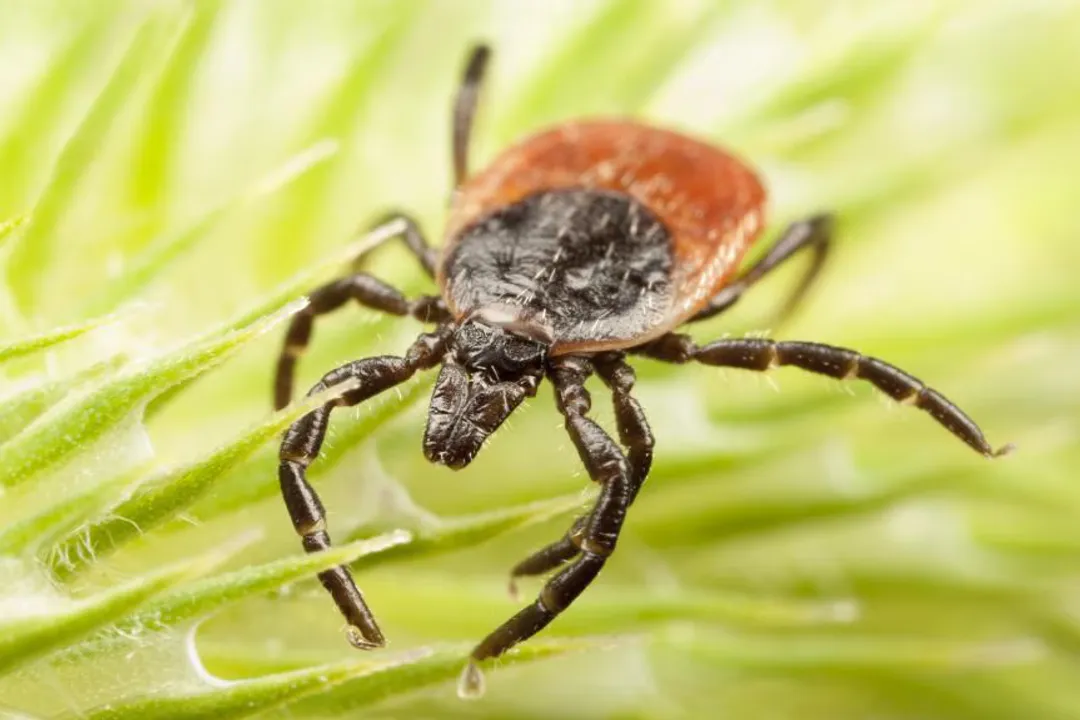
This is the start of the article with introduction paragraph and is not a heading. It should immediately begin the text. Understanding the distribution of the Western Blacklegged Tick, scientifically known as Ixodes pacificus, is essential for anyone living, working, or recreating across the western United States and Canada, as this arachnid is the primary vector for Lyme disease transmission in that geographical area. [1][4] While often grouped mentally with its notorious Eastern cousin, the deer tick (Ixodes scapularis), the Pacific species occupies a distinct territory and exhibits slightly different ecological preferences, making targeted awareness crucial for prevention. [4]
# Western Distribution
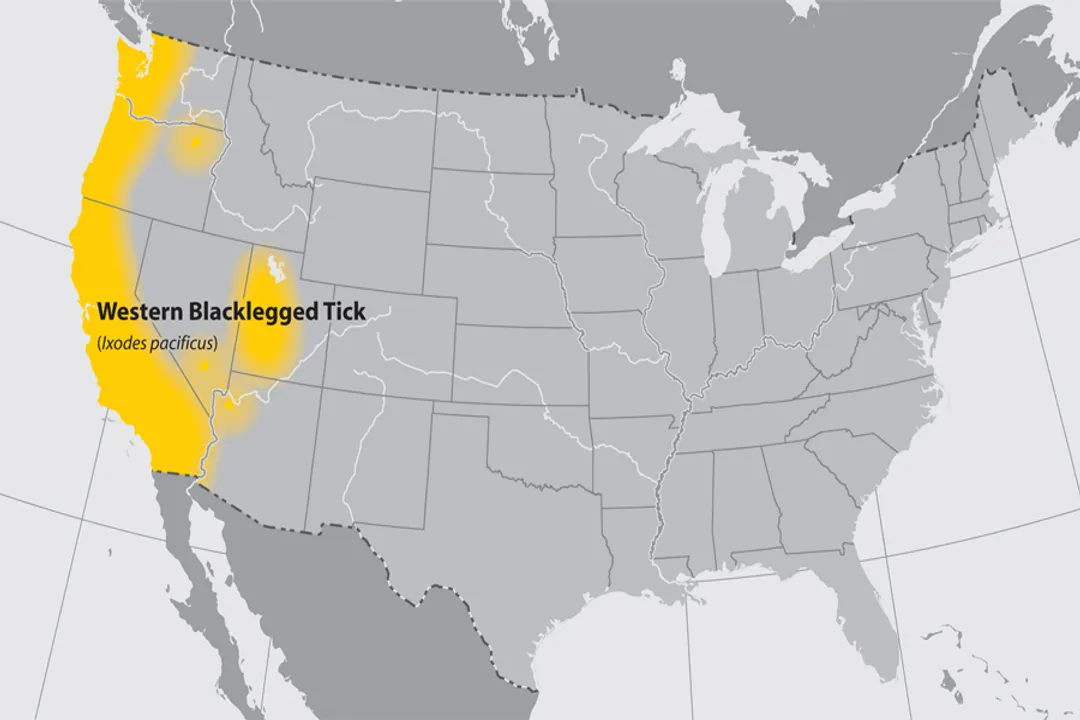
The core range of the Western Blacklegged Tick is strongly anchored to the Pacific coast and the adjacent regions, making its presence predictable across several states and provinces. [1][4] Specifically, established populations are consistently found throughout California, Oregon, and Washington. [1][8] Surveillance data confirms that their known distribution also extends eastward into parts of Idaho, Nevada, and Arizona. [1][8] Further north, this tick species is present in southern British Columbia, Canada. [4]
It is important to note that the presence of the tick is not uniform across these areas; it is often clustered where the environmental conditions are most favorable. [1] For instance, while California is a large state, active populations are highly concentrated in specific western and coastal counties, particularly those with higher humidity and dense vegetative cover. [1] Comparing this to the Eastern Blacklegged Tick (I. scapularis), which dominates the Northeast and upper Midwest, I. pacificus defines the entire tick-borne disease risk profile for the western seaboard. [4]
# Preferred Habitat
The specific environment where I. pacificus thrives dictates where human and animal exposure risk is highest. [2] Unlike ticks that prefer wide-open, sunny fields, the Western Blacklegged Tick strongly favors moist, shaded environments. [2][4] Their preferred habitats include coastal scrub, dense chaparral, and woodlands, often requiring areas with significant leaf litter accumulation. [4][2]
These ticks generally thrive at lower elevations closer to the coast, where humidity levels remain higher throughout the year, which is vital for tick survival, especially in their less-fed nymph and larval stages. [4] They are commonly found in the leaf litter, low-growing brush, and grasses found along hiking trails, campgrounds, and the transition zones where manicured lawns meet wilder forested areas. [9] Knowing this affinity for leaf litter offers a tactical advantage; ticks do not jump from trees but rather "quest"—waiting on low vegetation, typically less than three feet off the ground, for a passing host to brush against them. [2]
For example, in areas of California like Mendocino County, known for its mixed redwood and oak woodlands, the combination of moist soil and deep shade creates an ideal incubator for tick populations, leading to consistent detection in sampling efforts. [1] Conversely, drier, high-elevation, or heavily sun-exposed areas within the same state often show significantly lower, if any, established populations. [4]
# Seasonal Activity
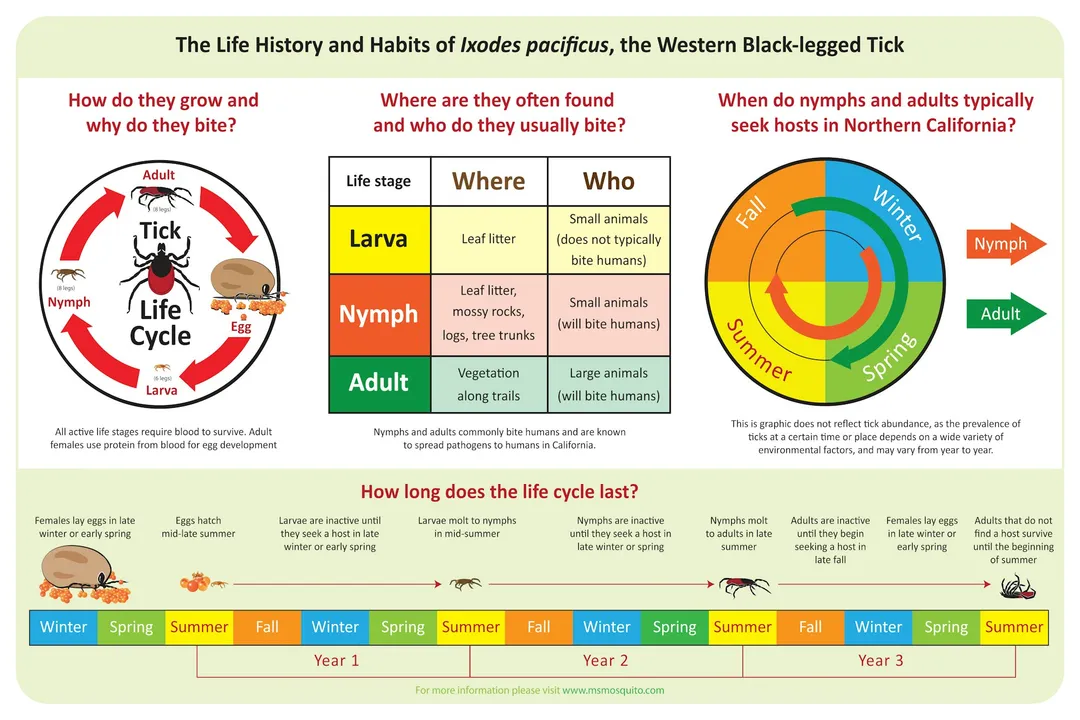
The timing of Western Blacklegged Tick activity is heavily influenced by local weather patterns, primarily temperature and humidity, which can lead to an extended season compared to some other tick species. [2] While populations of all life stages—larva, nymph, and adult—can be foundQuesting, the peak periods often vary. [2]
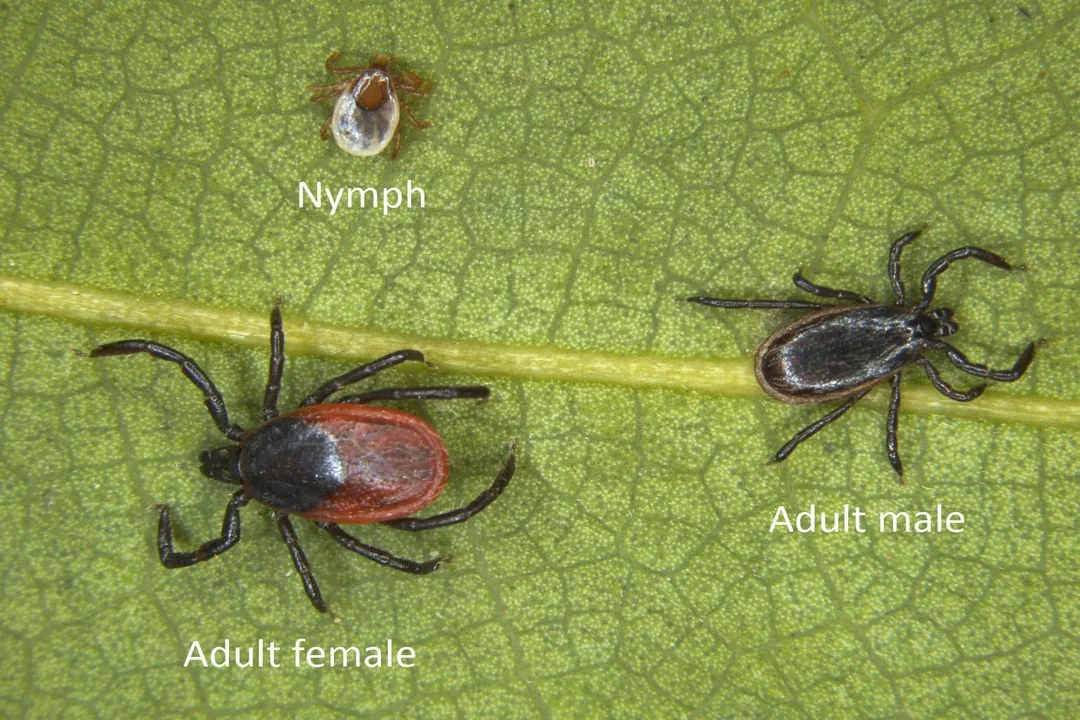
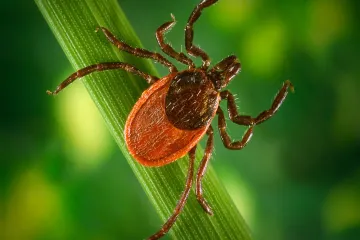
In milder coastal climates, adult ticks can remain active throughout the winter months, provided temperatures remain above freezing. [2] The most concerning period for human interaction, however, is typically late winter through late spring and into early summer, corresponding with the activity of the nymph stage. [2] Nymphs, being very small (often the size of a poppy seed), are responsible for the majority of Lyme disease transmissions because they are so difficult to detect. [2]
A distinct pattern emerges when comparing activity:
| Life Stage | Typical Active Period (Pacific Region) | Detection Difficulty |
|---|---|---|
| Adult | Fall through Spring (Can be year-round) | Moderate |
| Nymph | Spring to Early Summer (Peak Risk) | High (Very small) |
| Larva | Summer/Early Fall (Often uninfected) | Moderate to High |
It is a useful practice, especially in damp environments, to assume that ticks might be present and actively questing whenever the ground is not actively frozen or completely dry for an extended period. [2]
# Encounter Zones
Identifying typical encounter zones helps frame personal protective actions. Beyond the general habitat description, the risk materializes where humans frequently traverse these tick-friendly environments. [9] High-risk outdoor activities involve any sustained contact with brush, tall grass, or woodland undergrowth. [9]
Common scenarios for exposure include:
- Hiking or camping on wooded trails, especially those that are poorly maintained or skirt dense vegetation. [9]
- Gardening or yard work near wooded borders or brush piles. [9]
- Walking pets through grassy or wooded areas where deer or rodents—common hosts—travel. [5]
When people are spending time outdoors in these specific settings, they are putting themselves in the direct path of questing ticks. An interesting observation often noted in park management is the "edge effect"—the highest tick density is rarely deep within the forest, but rather in the 10 to 30 feet adjacent to a cleared area, like a trail edge or a picnic clearing. [4] This is because the edge often provides the right mix of sun exposure for basking nearby and dense undergrowth for daytime hiding and moisture retention.
If you spend time in these transitional areas, integrating a thorough tick check immediately upon re-entering a vehicle or home is vital. A tactical tip here is to focus your visual check not just on exposed skin, but on hard-to-see areas like the hairline, behind the knees, in the groin, and around the waistline, as these are common attachment points after brushing against low vegetation. [9]
# Surveillance Insights
The understanding of the Western Blacklegged Tick's location relies heavily on organized surveillance programs conducted by public health agencies. [1] These programs use various methods, such as dragging cloth sheets across vegetation to physically capture ticks, or testing small mammals known to harbor ticks. [1] Data collected through these efforts helps map the known spread and identify areas with confirmed infection risk. [1][8]
When analyzing these surveillance reports, it is important to recognize that a "known location" often means an area where ticks were actively found during a survey, not necessarily the absolute limit of the species' range. [1] New research, such as that looking at rodent hosts in specific watersheds, can reveal localized hotspots that traditional drag-sampling might miss, providing a more granular view of risk. [6]
One analytical observation worth noting is how the presence of the tick does not automatically equate to high Lyme disease risk in that exact spot. A tick population might be abundant in a specific coastal forest patch, but if the local rodent and bird populations do not harbor the Borrelia burgdorferi bacteria, the ticks in that area will be "uninfected" vectors. [6] Therefore, high tick presence means high potential risk, but the actual risk relies on the pathogen prevalence, which requires separate testing or reporting. [5] Localized testing data, often provided by university extension offices or state health departments, provides a better gauge of actual disease transmission potential than just a tick presence map alone. [1]
# Associated Diseases
The primary concern associated with the Western Blacklegged Tick is its capacity to transmit Borrelia burgdorferi, the bacterium responsible for Lyme disease. [5] Infection requires the tick to be attached for an extended period, usually 36 to 48 hours or more, to successfully transmit the pathogen. [5]
However, this species is a capable vector for other pathogens as well, which can lead to different or co-occurring illnesses. [6] Depending on the specific region within its territory, I. pacificus has been found to carry agents causing other tick-borne illnesses, such as Anaplasmosis and Babesiosis. [5][6] It is crucial for residents and visitors in these endemic areas to seek testing if they develop unexplained flu-like symptoms following any known tick exposure, as symptoms can overlap. [5] Given that the tick can carry multiple threats, management strategies must consider this co-infection possibility, particularly when dealing with persistent symptoms following a bite. [6]
Related Questions
#Citations
Western Blacklegged Tick Surveillance - CDC
Western Blacklegged Tick Identification Tips | PA Tick Research Lab
Western black-legged tick
Ixodes pacificus - Wikipedia
Blacklegged tick - Merck Animal Health USA
History of the geographic distribution of the western blacklegged tick ...
Western Blacklegged Tick Surveillance - Restored CDC
Western Black-Legged Tick: Everything You Need To Know - PetMD