What unique physical characteristic of *Rena humilis* allows researchers to observe it under specialized gear?
Answer
Its fluorescence under low-frequency ultraviolet light
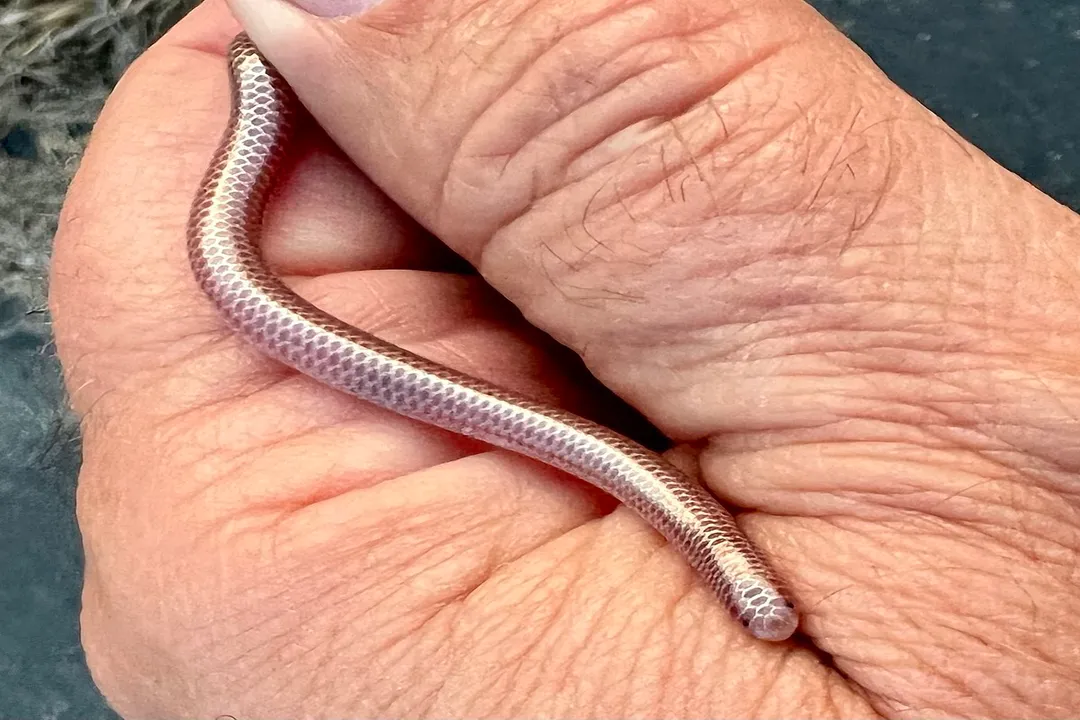
The Western Blind Snake, *Rena humilis*, possesses a specific adaptation that facilitates observation by researchers employing specialized equipment. This adaptation is its characteristic fluorescence when exposed to low-frequency ultraviolet light. This property means that when UV light is shined upon the snake, it emits a visible glow, allowing scientists to track or study the creature even when it is active or located in subterranean environments, provided they have the necessary UV lighting apparatus. This contrasts with passive observations, leveraging a unique physiological trait for detection.
Related Questions
What unique physical characteristic of *Rena humilis* allows researchers to observe it under specialized gear?What is the primary function of the sharp spine found at the terminus of the Western Blind Snake's tail?How is the geographical distribution of *Rena humilis* restricted specifically within the state of Utah?What characteristic distinguishes the head scale arrangement of *R. humilis* when compared to the similar New Mexico Threadsnake?What specific soil condition is consistently required by *R. humilis* for successful burrowing and foraging?What two primary chemical and physical defensive tactics does *R. humilis* employ when disturbed or captured?What is the main classification of invertebrates that constitutes the primary sustenance for the Western Blind Snake's diet?What are the two native subspecies of the Western Blind Snake identified within the state of California?What depth can *R. humilis* achieve when burrowing beneath the surface during its subterranean existence?What reproductive pattern is observed in some female *R. humilis* regarding the care of their underground clutches?