Western Blacklegged Tick Diet
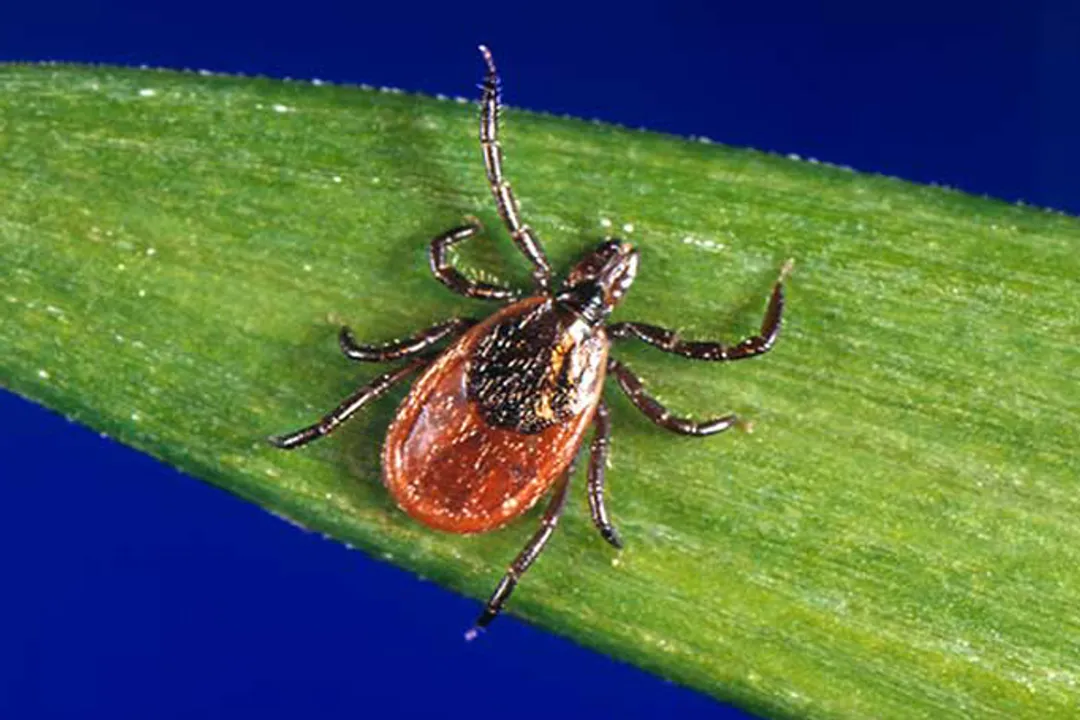
The Western Blacklegged Tick, scientifically known as Ixodes pacificus, is a significant concern for anyone residing in or traveling through the western United States. [4][9] Unlike some pests that maintain a consistent diet, what this tick chooses to consume—its host—changes dramatically depending on whether it is a larva, a nymph, or a fully developed adult. [1][2] Understanding this shifting appetite is key to grasping its ecological role and, crucially, how it transmits diseases like Lyme disease across different environments.
# Host Stages
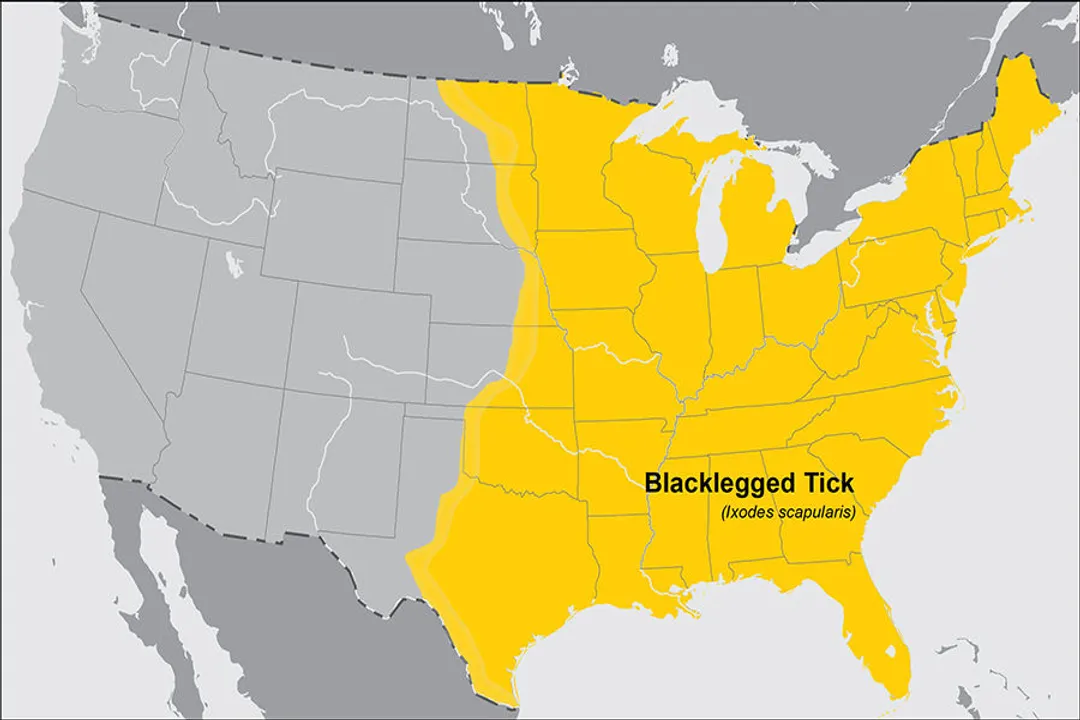
The feeding strategy employed by the Western Blacklegged Tick is intrinsically tied to its developmental cycle, which requires three separate blood meals to progress from one stage to the next. [3] This dependency on different hosts at different times creates a complex web of potential disease amplification.
Larvae, the first active stage after hatching, are generally highly selective, often preferring smaller hosts for their initial meal. [1][6] They typically seek out animals such as small rodents and, notably, lizards. [1][2][6][8] This early preference for ectotherms, like reptiles, presents an interesting ecological dynamic. Because many pathogens struggle to survive or replicate effectively within cold-blooded hosts, a successful first feeding on a lizard might mean the larva acquires fewer, or perhaps none, of the disease-causing agents that its subsequent stages might carry. [1][4]
Once the larva has fed, molted, and become a nymph, its host preference broadens considerably. [2] Nymphs still feed on small mammals but will readily attach to birds as well. [1][9] Because nymphs are small and often go unnoticed, they represent the stage most frequently responsible for biting humans. [6] A bite from a nymph is a major transmission event for tick-borne illnesses simply due to the host being unaware of the feeding activity. [2]
The adult stage requires the largest blood meal to fuel reproduction, leading them to seek out larger, higher-metabolism animals. [1][5] Deer are classic hosts for adult Ixodes species, providing the substantial intake needed for egg production in females. [4][5] Adults will also feed on dogs, coyotes, and humans. [6] This transition from feeding on very small, often oblivious hosts (larvae) to relatively large hosts (adults) shows a clear adaptation to maximize energy gain throughout the tick’s lifespan.
# Animal Range
The diet of I. pacificus is impressively broad, spanning reptiles, birds, and mammals. [4][9] While the specific host choice is dictated by the tick's stage, the sheer variety of animals they will feed on allows the population to persist across varied habitats throughout the Western US. [4]
To illustrate the variation in feeding patterns, we can summarize the typical range targeted by each group:
| Life Stage | Primary Host Types | Examples of Specific Hosts |
|---|---|---|
| Larva | Small Vertebrates, Reptiles | Lizards, small rodents [1][6] |
| Nymph | Small/Medium Mammals, Birds | Rodents, various bird species [2][9] |
| Adult | Large Mammals | Deer, coyotes, dogs, humans [1][5][6] |
A key takeaway when comparing these feeding habits regionally is the prevalence of lizards in the larval diet in many parts of California and the Pacific Northwest. [6][8] Where lizard populations are dense and ticks rely heavily on them for the first blood meal, it suggests that the tick population may cycle through more infections that do not involve human pathogens early on, essentially "diluting" the initial pathogen load compared to regions where larvae immediately feed on infected small mammals. [1] This ecological difference in larval feeding habits could subtly influence the local risk profile for diseases like Lyme disease transmission in the subsequent nymphal stage, depending on how often those infected nymphs encounter people.
# Biting People
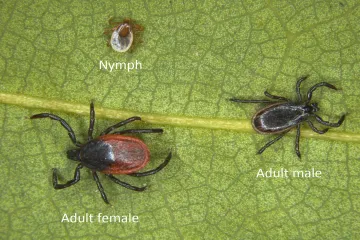
Humans are not the preferred or primary food source for any stage of the Western Blacklegged Tick, but we are certainly bitten. [2][9] As mentioned, the nymph stage poses the greatest threat to people because they are small, active in warmer months, and often go unnoticed while engorging. [2] An engorged nymph can take several days to complete its blood meal, increasing the window of time for pathogen transmission. [3]
Adults, being larger and more easily felt, are sometimes noticed before they have fed for very long, but they are also a risk. [6] The sheer size of the adult means a successful bite requires a more substantial host, which is why deer are listed as a common target. [5] When people enter endemic areas, particularly in brush or leaf litter where these ticks wait for a host, they are essentially presenting themselves as suitable, albeit incidental, large-mammal hosts for nymphs or adults. [9]
# Tick Metabolism
It is worth noting that a tick's diet is not just about consuming blood; it is about survival between those necessary meals. [7] Ticks can survive long periods without feeding, sometimes months or even years, waiting for an opportunity. [7] This waiting ability is facilitated by their biology, which allows them to draw nutrients from the blood meal and store them efficiently. [7] In fact, the ability of the tick to enter periods of reduced metabolic activity helps it conserve energy so that it can wait through unfavorable weather or low host availability. [7] This slow metabolic rate means that while the blood meal fuels growth, the tick's general hardiness is what allows it to remain a threat long after the initial feeding event has concluded.
Related Questions
#Citations
Western black-legged tick
Western-Blacklegged Tick - The University of Rhode Island
Tick Lifecycles - CDC
Ixodes pacificus - Wikipedia
Blacklegged tick - Commonwealth of Pennsylvania
Western Blacklegged Tick Identification Tips | PA Tick Research Lab
How Do Ticks Survive Between Meals? Vitamins - Humboldt NOW
[PDF] Ixodes pacificus (Western black-legged tick)
Western Deer Tick