Western Diamondback Rattlesnake Locations
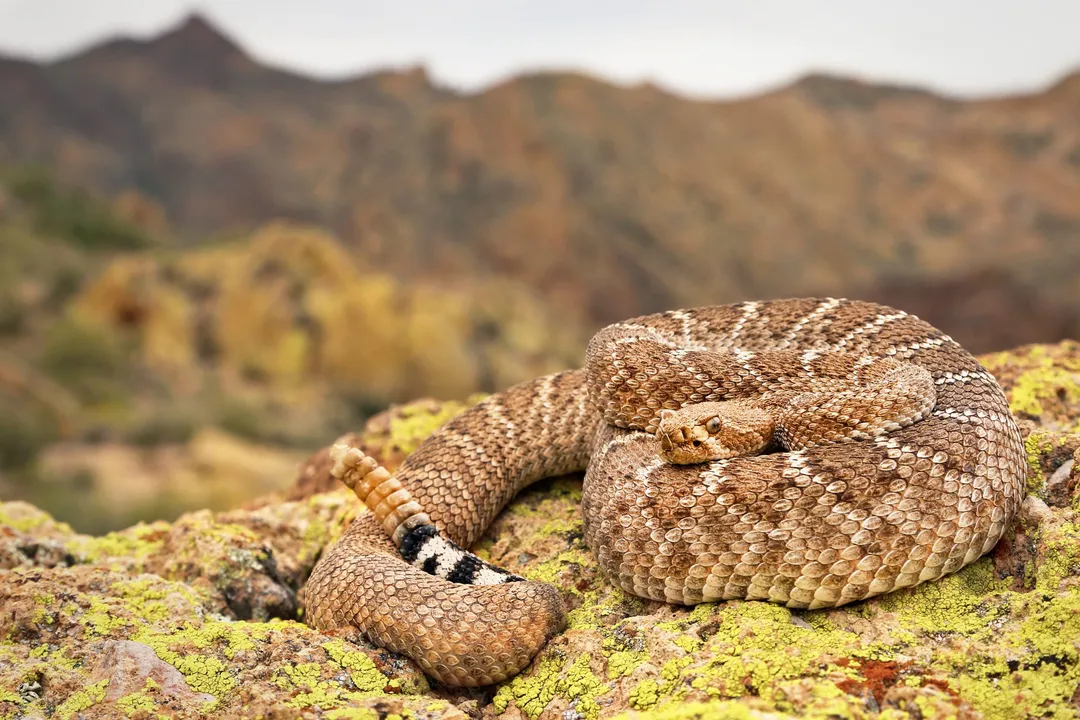
The Western Diamondback Rattlesnake, Crotalus atrox, maintains an extensive distribution across arid and semi-arid regions spanning the southwestern United States and a significant portion of Mexico. [1][5][10] This reptile is clearly defined by its preference for lower, drier elevations, a factor that dictates its appearance or absence across neighboring states and ecological zones. [9]
# United States Core
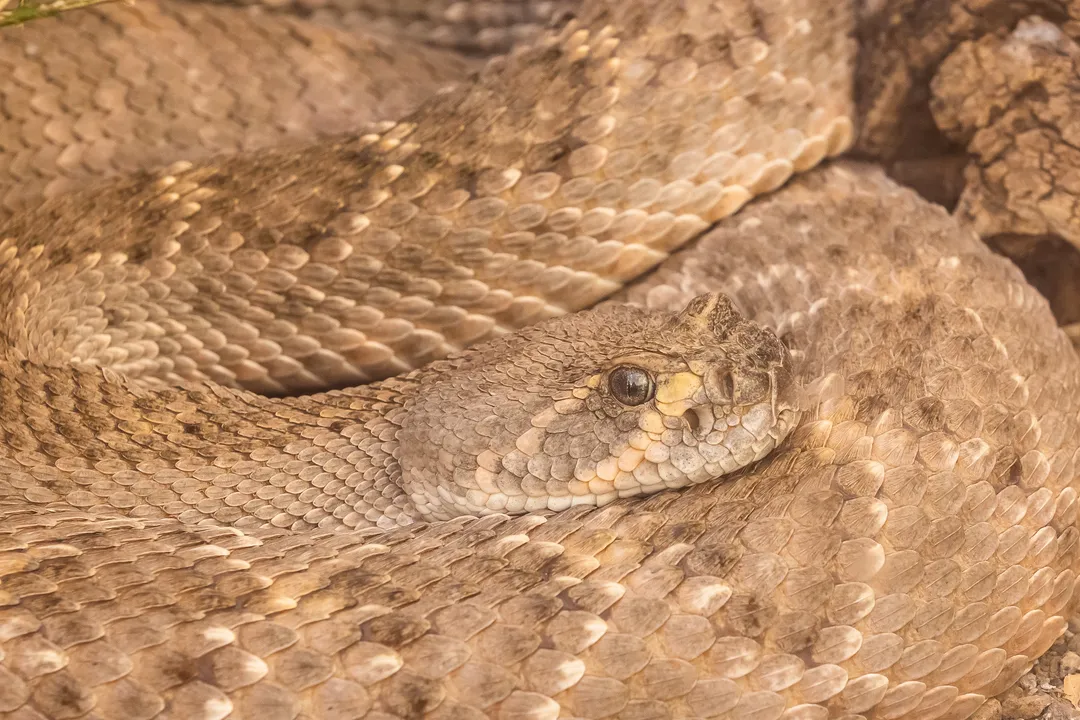
The primary concentration of this species within the US is found across a handful of states bordering Mexico. [8] These include Southern California, Arizona, New Mexico, Texas, and a part of Oklahoma. [1][5] While the species is firmly established in the vast desert systems like the Sonoran, Chihuahuan, and Mojave Deserts, [2] its reach extends beyond just the sand and scrub. [2][3]
In California, the distribution is ecologically constrained, largely confined to the desert regions, specifically the Mojave and Colorado Deserts. [9] It generally does not venture into the coastal environments or ascend far into the higher reaches of the Sierra Nevada foothills. [9] Arizona and New Mexico offer ideal environments, supporting large populations across their varied desert and rocky terrain. [1][10]
Texas and Oklahoma present a slightly different picture regarding the eastern extent of the range. While present across much of Texas, in Oklahoma, the distribution is notably skewed westward. [6][8] The snake occupies the western two-thirds of Oklahoma, with populations generally absent from the eastern third of the state. [6] This sharp demarcation in Oklahoma suggests that the shift to wetter, more heavily forested environments eastward acts as a firm barrier to further range expansion for this classic desert dweller. [6]
# Mexican Presence
South of the border, the Western Diamondback’s habitat continues deep into the continent. Its range extends through northern and central Mexico. [1][5] This area provides the ideal continuity of dry, brushy, and rocky landscapes that characterize the preferred ecosystems across the entire species distribution. [3][10] The snake demonstrates adaptability across this broad latitudinal span, thriving wherever the climatic conditions lean toward arid or semi-arid. [10]
# Habitat Type
When mapping out where to find Crotalus atrox, one must look past simple state lines and consider the terrain itself. [4] The species favors several overlapping habitat types. Deserts form the backbone of its known locations. [2][3] However, they are equally comfortable in grasslands, brushy areas, and among rocky hillsides. [1][5]
Specific microhabitats offer important clues to their local presence. In regions like Phoenix, Arizona, where the urban sprawl meets the desert, these rattlesnakes are common, often seeking shelter in dense vegetation, beneath piles of wood, or hidden under debris piles near human habitation. [7] This suggests that the presence of cover and potential prey density can override broader environmental descriptions when pinpointing local populations. [7] Similarly, in Nevada, where they inhabit the southern reaches, they are frequently observed in dry, rocky washes, canyons, and brushy desert areas. [4] They are excellent at utilizing the natural topography for ambush and concealment. [4]
The elevation preference is also important, even if not strictly defined across all sources. While found in foothills, [1] the constraints noted in California suggest that they generally prefer lower to mid-elevations that retain warmth and low moisture. [9] It is often the transition zone—where desert meets scrubland or dry mountain slopes—that provides the best mix of basking opportunities and cool, secure retreats. [3]
# Interpreting Range Data
A key consideration when reviewing maps of Western Diamondback distribution is understanding that line work represents potential presence, not guaranteed density. [8] For instance, a map might show a species inhabiting an entire county, but if that county includes a large, high-elevation mountain range or a major body of water unsuitable for the snake, the actual density will be concentrated in the lower, warmer valleys and foothills. [9] A helpful way to visualize this is to overlay known habitat features onto the range map; the snake will almost always be absent from areas that are too wet, too high, or too densely forested for their liking. [6] This makes local knowledge or observation data, such as that collected by community science projects, vital for confirming presence near human activity centers. [3]
The difference in habitat description between sources, though subtle, offers a richer understanding of their adaptability. One source notes preference for canyons and stream bottoms, [6] while others emphasize arid environments. [2] This highlights that while they avoid persistent moisture, they still require access to water sources, utilizing riparian corridors within otherwise dry regions as travel paths or hunting grounds, provided the immediate banks offer the requisite rocky or brushy cover. [4][6]
Understanding the environmental tolerances is crucial for accurate location assessment. The snake is ectothermic, meaning its ability to remain active is tied directly to ambient temperatures. [1] Therefore, areas that experience prolonged freezing temperatures or excessively high, dry elevations where overheating is a constant threat are naturally excluded from their successful range, even if they fall within the generalized coordinates of the southwestern US. [9] This inherent reliance on thermal regulation shapes the distribution far more rigidly than simple political boundaries do. [10]
Related Questions
#Citations
Western diamondback rattlesnake - Wikipedia
Sonoran Desert Fact Sheet - Western Diamondback Rattlesnake
Western Diamondback Rattlesnake Facts - NatureMapping
Western Diamondback Rattlesnake - Nevada Department of Wildlife
Crotalus atrox (Western Diamond-backed Rattlesnake)
Western Diamondback Rattlesnake | Oklahoma Department of ...
Western Diamondback Rattlesnake: The Most Common Snake in ...
Western Diamondback Rattlesnake (Crotalus atrox) | Map | FWS.gov
[PDF] Life history account for Western Diamond-backed Rattlesnake
Western Diamondback Rattlesnake - ZooAmerica