What foraging technique defines the Western Kingbird's use of vertical structures?
Answer
Hawking insects out of the air after sallying out from a perch
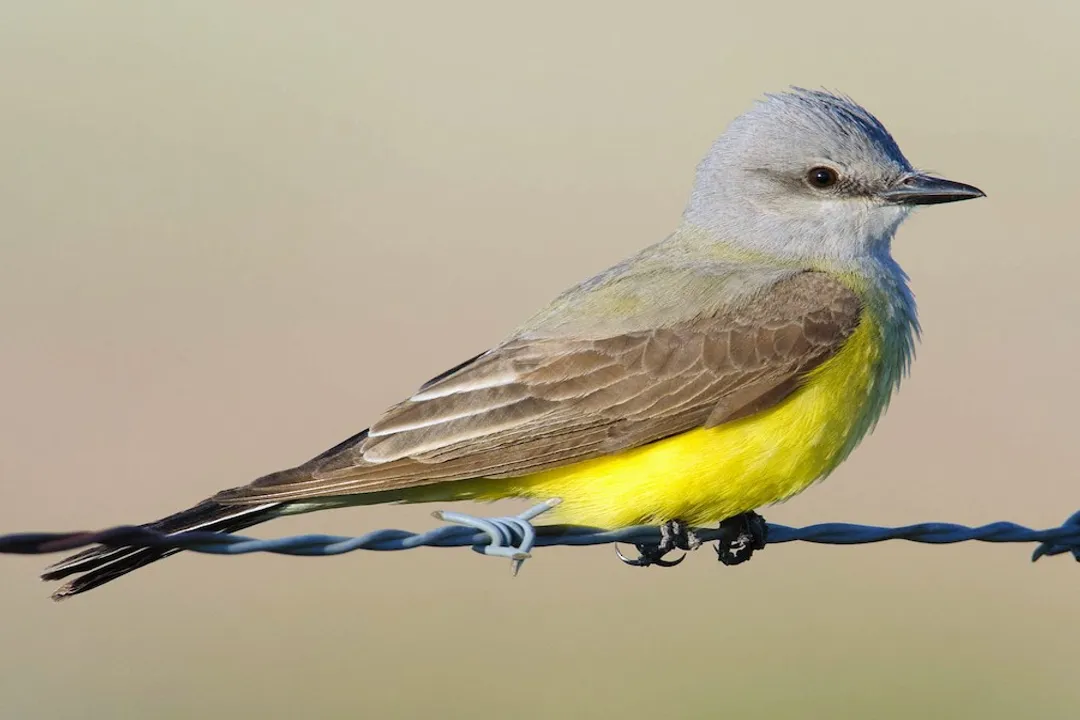
The primary method of obtaining food for the Western Kingbird involves hawking, which is the act of catching flying insects while airborne. This behavior necessitates using prominent, exposed perches, such as utility poles or fence posts, as elevated observation platforms. The bird remains stationary on this perch, conspicuously scanning the surrounding airspace until it spots flying prey. Upon detection, the kingbird launches itself into the air (sallying out) to intercept the insect before returning to its original perch or another nearby vantage point to resume scanning. This aerial pursuit style is entirely dependent on having unobstructed sightlines across open terrain.
Related Questions
Where is the primary stronghold for breeding Western Kingbirds?What key environmental characteristic defines Western Kingbird breeding habitat?What foraging technique defines the Western Kingbird's use of vertical structures?Which specific western US states are confirmed breeding areas for the Western Kingbird?What specific type of perch do Western Kingbirds often select based on height preference?Which regions comprise the primary wintering grounds for most Western Kingbird populations?What feature seems to deter the Western Kingbird density in the Pacific Northwest?Between which months does the fall migration south typically occur for the Western Kingbird?What are the distinct calls described for the Western Kingbird?Where do migratory Western Kingbirds tend to funnel through during their travel across the US?