Zebra Snake Locations
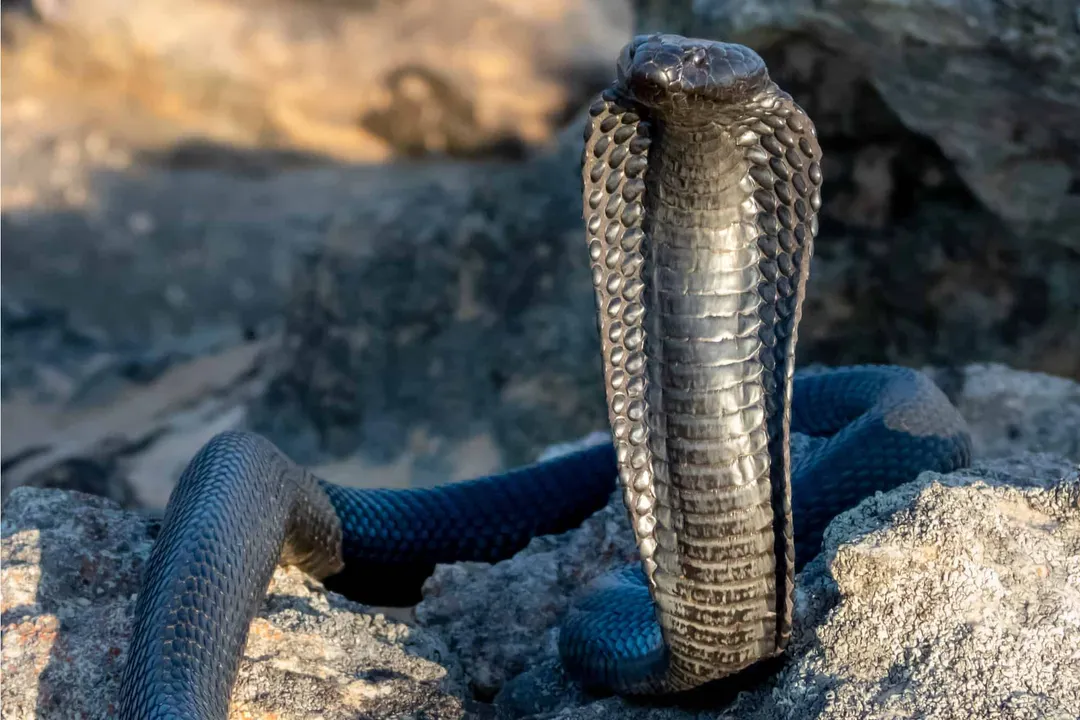
The striking banded pattern of the Zebra Snake often leads enthusiasts to seek out information regarding its natural distribution, though it is critical to specify which creature is being discussed, as the common name has been applied to several distinct species across the globe. However, when most herpetologists refer to the "Zebra Snake" in the context of venomous African fauna, they are usually referring to the Zebra Cobra, scientifically known as Naja nigricincta nigricincta. Understanding where this specific cobra resides means focusing almost exclusively on a particular, arid corner of Southern Africa.
# African Endemism
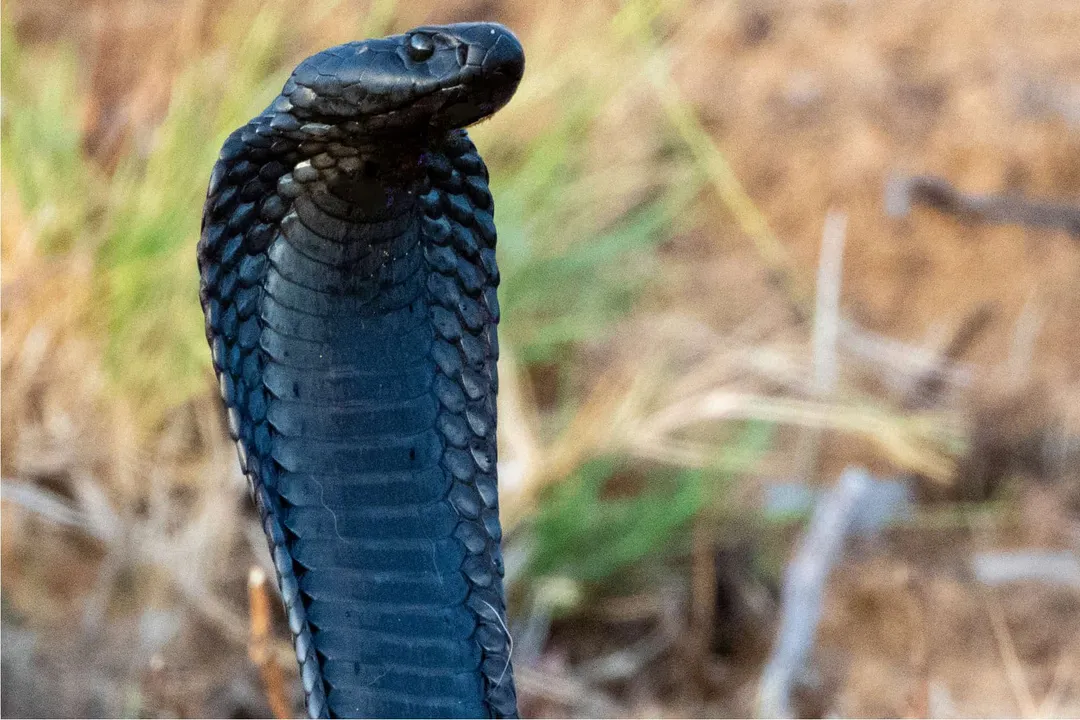
The Zebra Cobra (Naja nigricincta nigricincta) holds a rather restricted natural range, making its location details very precise. This snake is endemic to the southwestern parts of Africa, primarily found in Namibia and Angola. This endemism suggests a high degree of specialization to the environmental conditions present in this specific geographical area.
When mapping out its territory, researchers note that its presence is concentrated in areas that receive limited rainfall, typical of these southwestern regions. While general surveys might group these snakes under a broader Southern African category, the nigricincta subspecies is bound by these established borders, meaning you would not expect to find it naturally occurring in, say, the Kruger National Park region or further east in countries like Mozambique or Zimbabwe. Its distribution is more narrowly focused on the western escarpment zones.
It is worth noting that while the name Zebra Snake might surface in discussions about non-venomous species found elsewhere, such as in Australia or even parts of the United States, the context here centers on the dangerous, venomous cobra subspecies endemic to Namibia and Angola. This narrow focus is crucial for anyone studying its biology or conservation status, as habitat pressures in these specific countries directly impact the species' survival.
# Environmental Niche
The habitat favored by the Zebra Cobra within its Namibian and Angolan range is quite specific, reflecting an adaptation to dry, challenging environments. They are often associated with dry savannas and areas characterized by rocky outcrops or hillsides. These snakes thrive in environments where ground cover might be sparse but where sufficient crevices and debris exist for thermoregulation and hiding from predators or prey.
The conditions they inhabit are generally arid to semi-arid, which necessitates behaviors adapted to heat management and seeking moisture, even if scarce. This contrasts sharply with the lush, high-rainfall environments where some other Naja species might be found. Their reliance on these drier, often sun-exposed areas for basking, combined with their need for rocky shelter, dictates their preferred micro-locations within the broader savanna landscape.
For those involved in fieldwork or monitoring within these areas, understanding the substrate is as important as knowing the country. The Zebra Cobra seems strongly tied to areas with sandy soils interspersed with rockier elements, providing both potential burrowing substrate and established refuge spots. This preference for rocky terrain over dense woodland makes visual identification slightly easier in certain locations compared to snakes that prefer thick bush cover.
# Isolated Sightings
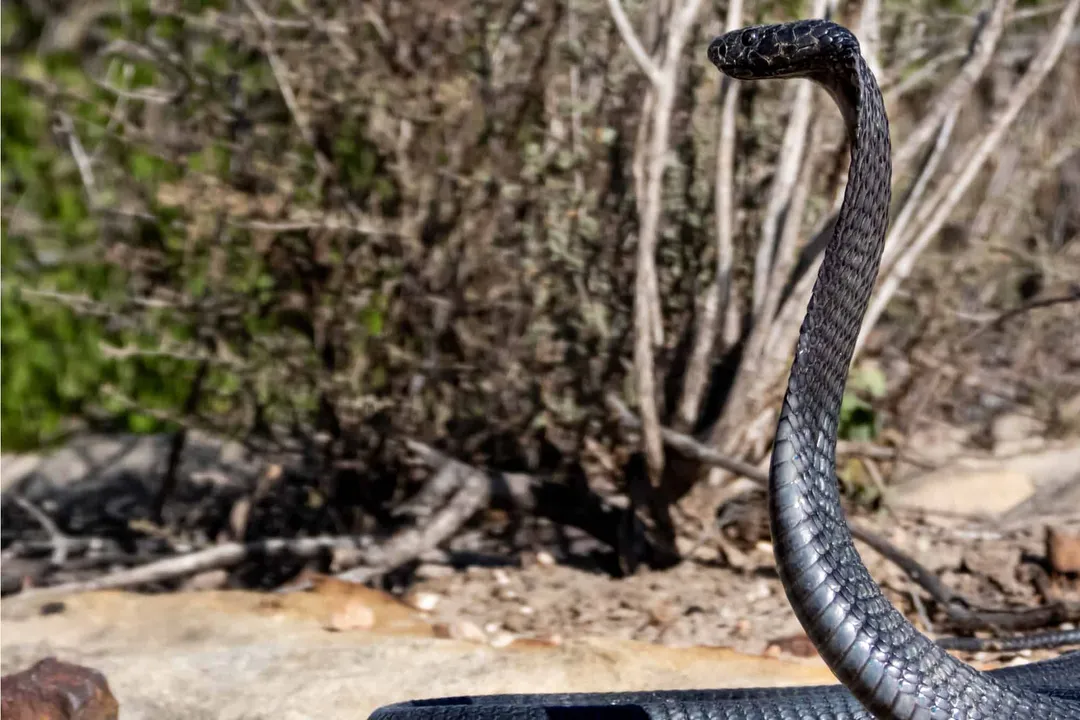
A significant point of confusion regarding the location of Zebra Cobras arises not from their natural habitat, but from instances where they have appeared far outside of Africa, typically connected to the exotic pet trade. The most widely publicized non-native location involved a Zebra Cobra that escaped in Raleigh, North Carolina, USA.
This event, which occurred several years ago, serves as a stark reminder that while the snake is naturally confined to a limited African zone, the global movement of reptiles means isolated populations can temporarily exist elsewhere in captivity, leading to news reports of "loose" snakes. Tracking a Zebra Cobra in Raleigh, North Carolina, involves following the trail of an escaped captive animal and local emergency response efforts, which is entirely separate from mapping its ecological distribution in Namibia. Such incidents highlight a failure in containment rather than a range expansion.
When encountering news or social media posts mentioning a Zebra Snake location that is not in Namibia or Angola, immediate verification of the species is necessary. If the snake in question is indeed Naja nigricincta nigricincta, the location is a product of human importation, not natural dispersal.
# Locating Related Species
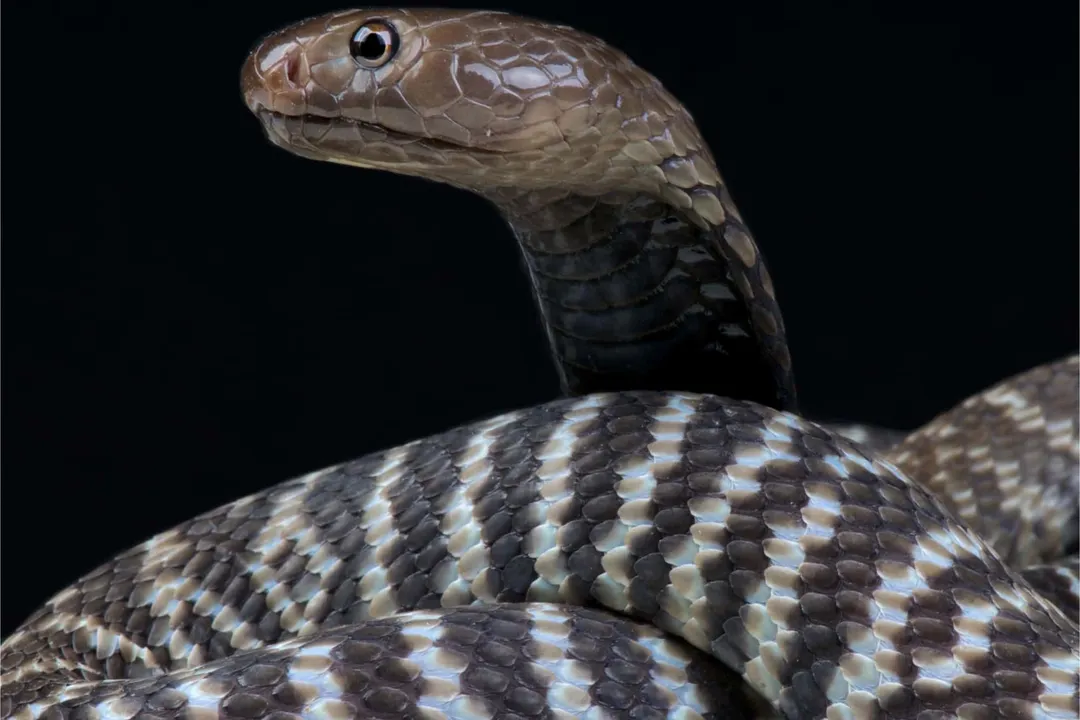
To avoid misidentifying a snake and drawing incorrect conclusions about its location, it is useful to briefly contrast the Zebra Cobra with other snakes that share the "Zebra" moniker.
For example, in different parts of the world, one might encounter:
- Zebra Snake (Non-Cobra): Species that might share the banding pattern but are not the Naja species being discussed here. These look-alikes exist across different continents and their locations are entirely irrelevant to the African Cobra's endemic range.
- Zebra Viper: Another African snake, but clearly a viper and inhabiting different niches.
Because the term is descriptive rather than strictly taxonomic for all banded snakes, a researcher interested in the distribution of Naja nigricincta nigricincta must rely on confirmed subspecies identification, which anchors the subject firmly to the arid regions of Namibia and Angola. If a reliable source mentions a Zebra Snake in, say, the arid regions of the American Southwest, it is almost certainly a different creature altogether.
# Geographical Context and Conservation
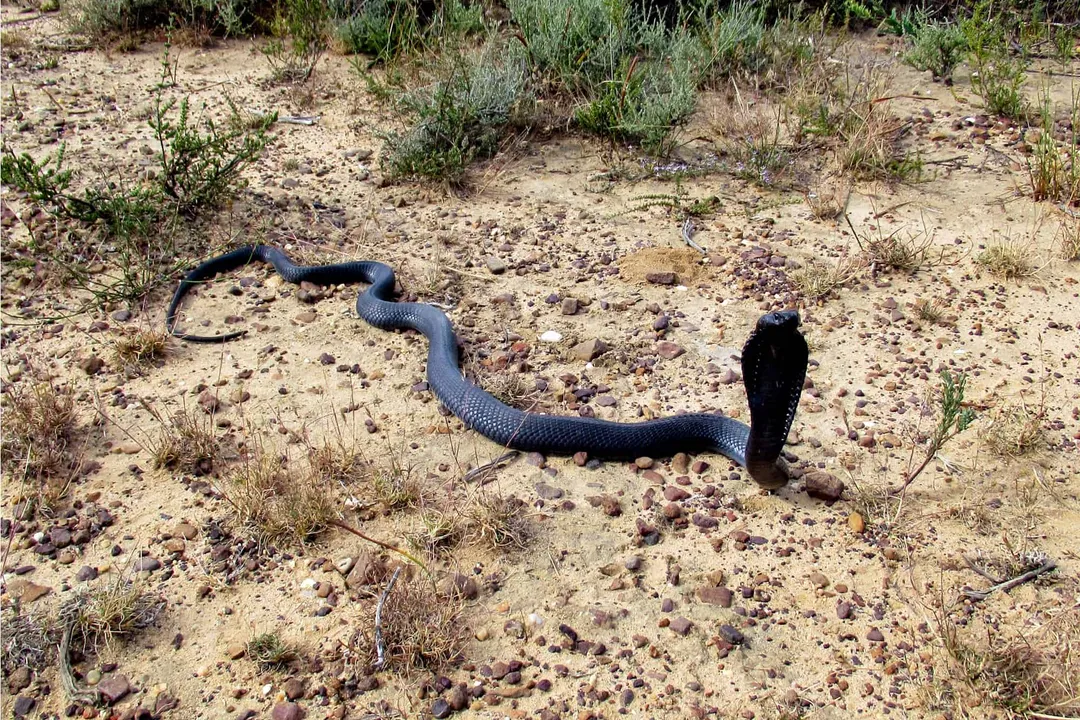
The fact that the Zebra Cobra is endemic to a relatively small region spanning across national borders—primarily Namibia and Angola—carries weight for conservation efforts. Unlike a species spread thinly across an entire continent, changes in land use, climate patterns, or increased human interaction in these specific Namibian and Angolan districts can rapidly jeopardize the entire global population of Naja nigricincta nigricincta.
When examining maps of their distribution, researchers often find clustered data points near the borders of these two nations, suggesting that areas with suitable rocky substrate and access to prey animals—likely small rodents and lizards common to those dry habitats—are the main drivers of where they settle within their allowed zones. If one were to create a predictive model for where future populations might be found based on current data, it would necessitate high-resolution mapping of soil type and vegetation density within the established Namibian/Angolan corridor.
This high degree of localization means that while the snake is not globally threatened based on current data, its regional security is paramount. A localized issue—such as a mining operation or severe localized drought—could have a disproportionately large impact on the species compared to a snake with a wider, more diverse range across multiple biomes. Therefore, pinpointing the exact locations within Namibia and Angola becomes essential for focused conservation strategies aimed at preserving their specialized habitat.
#Videos
Zebra Cobra (Naja nigricincta nigricincta) - Namibia - YouTube
How to identify the infamous Zebra snake! - YouTube
Related Questions
#Citations
Zebra Cobra - African Snakebite Institute
Zebra Snake Animal Facts - Naja nigricincta
Zebra Cobra (Naja nigricincta nigricincta) - Namibia - YouTube
Zebra Cobra: Venomous Snake Found in Central Namibia and Angola
Zebra Spitting Cobra | Made in the Wild
Zebra Snake Facts & Photos | Wowzerful
Remembering when the Raleigh zebra cobra slithered into the news ...