Is the Plains hognose snake venomous?
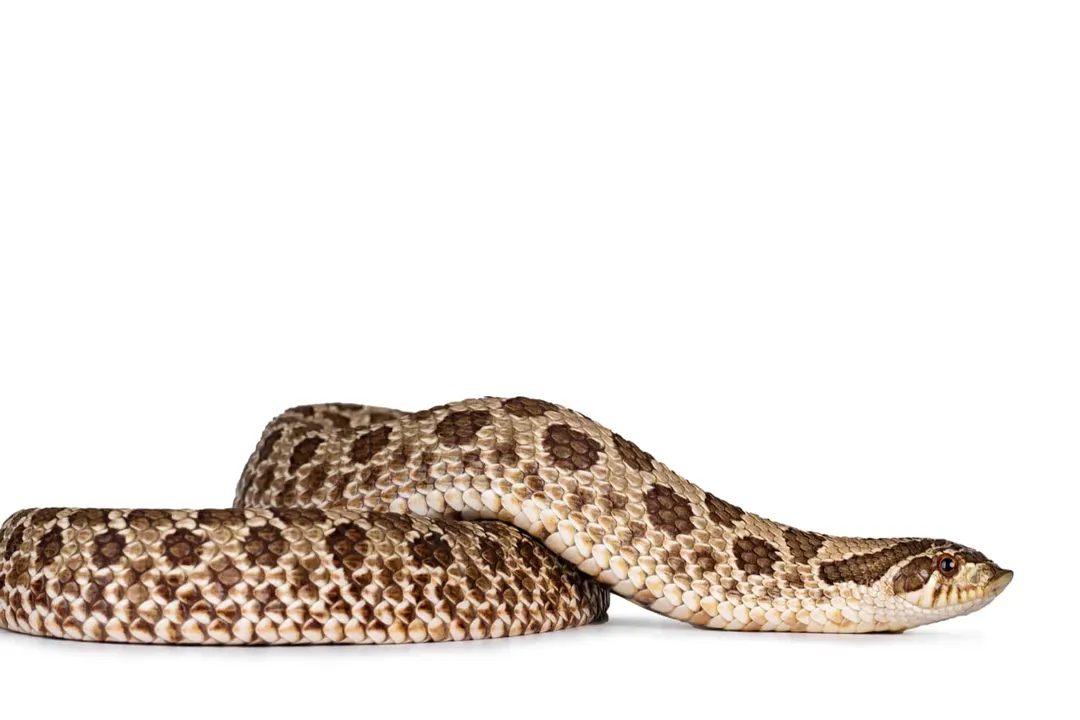
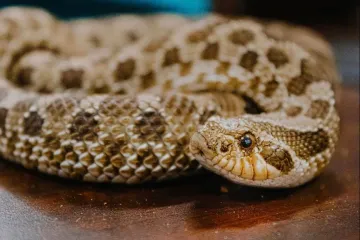
The Plains hognose snake, scientifically known as Heterodon nasicus, is perhaps one of the most misunderstood reptiles inhabiting the grasslands and prairies of North America. Famous for its dramatic, albeit entirely faked, death displays and its distinct upturned snout used for digging, the fundamental question many people have revolves around its defensive capabilities, specifically its venom. To address this directly: yes, the Plains hognose snake is venomous, but this classification requires significant context for anyone encountering one in the wild or captivity.
# Venom Status
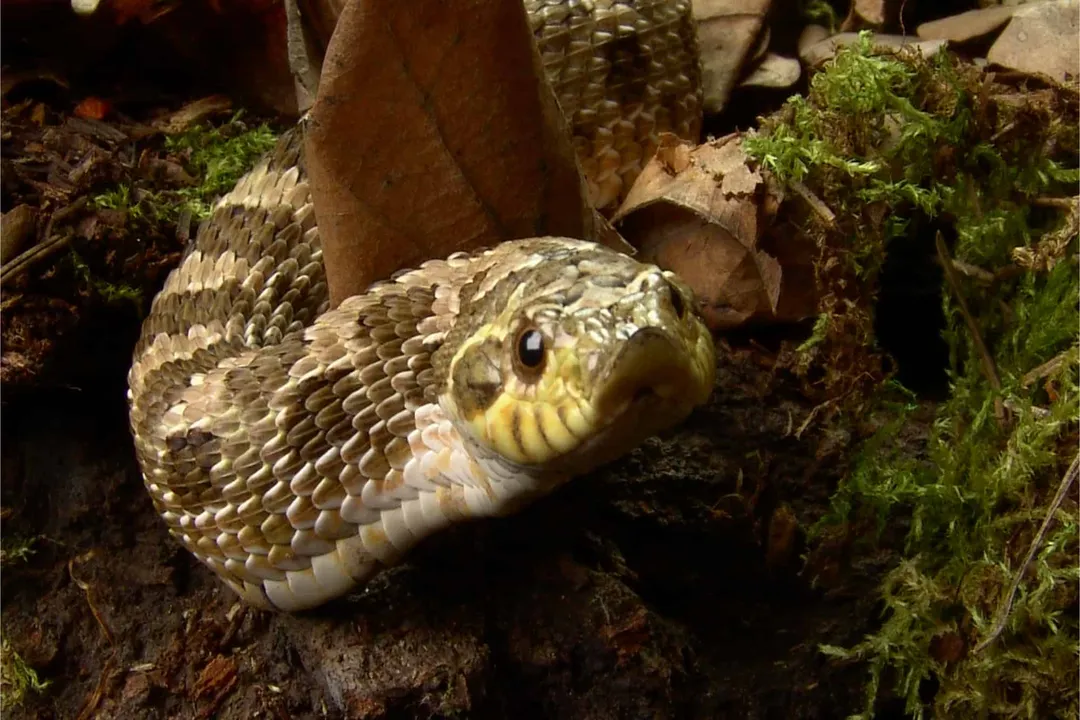
The key to understanding the Plains hognose lies in recognizing that while venom production is a fact, the medical significance of that venom to humans is extremely low. These snakes belong to the family Colubridae, many members of which possess some form of oral toxins. However, unlike highly dangerous snakes, the hognose is only mildly venomous, and their bites are rarely cause for serious concern for the average person. They possess the necessary biochemical agents to subdue their preferred meals, but these agents do not pose a threat to larger mammals like humans.
# Fangs Delivery
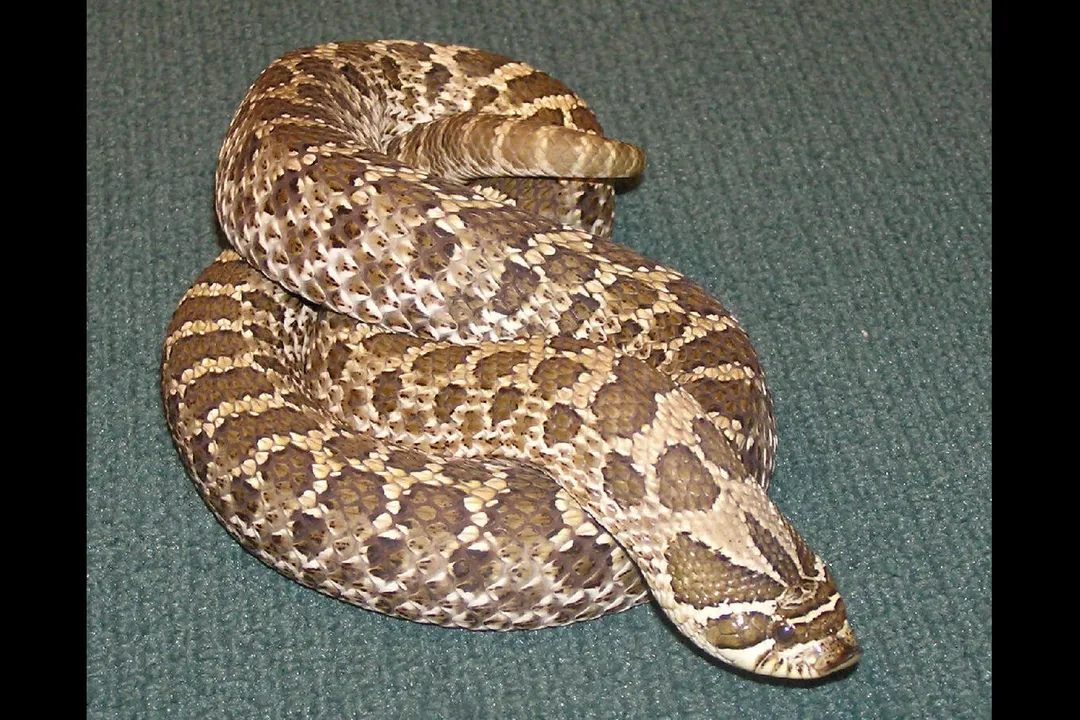
The mechanism by which Heterodon nasicus delivers its venom is just as important as the venom itself. These snakes are classified as rear-fanged, or opisthoglyphous. This means their teeth capable of delivering venom are situated toward the back of the upper jaw, rather than being fixed and hollow like hypodermic needles found in vipers or elapids. Because the fangs are positioned further back, the snake usually needs to chew down slightly after an initial bite to ensure the venom ducts make contact with the skin. This physical requirement makes a successful venom injection far less likely during a quick defensive strike compared to front-fanged species.
# Defense Theater
One of the primary reasons a hognose bite is uncommon is due to their incredibly specialized and over-the-top defensive strategies. When threatened, the Plains hognose performs an elaborate series of bluffing maneuvers intended to convince a predator that it is dangerous or, conversely, that it is not worth eating. They will often flatten their necks dramatically, resembling a small cobra, hissing loudly and aggressively. If this display fails to deter the threat, they often proceed to the most convincing part of their act: thanatosis, or playing dead. They will writhe violently, roll onto their back, sometimes even extruding a foul-smelling musk, and remain motionless, sticking their tongue out as if deceased. An observer unfamiliar with this behavior might easily mistake this theatricality for genuine aggression, when in fact, the snake is exhibiting extreme stress and attempting to signal that it is inedible.
# Bite Reactions
Should an encounter escalate to a bite—usually resulting from improper handling or direct provocation—the resulting symptoms are typically very mild. The effects are almost always localized to the bite area. People report minor symptoms such as localized swelling, slight itching, or minor redness. One way to gauge the severity is by comparing it to common encounters; for most individuals, the reaction is comparable to a mosquito bite or perhaps a very mild allergic reaction to a scratch, rather than a serious medical emergency. If someone is known to have severe allergies, any bite from any animal should be monitored, but for the general population, the venom itself is not considered medically significant.
# Prey Specificity
The potency of the Plains hognose venom is calibrated perfectly for its natural diet, not for large mammals. Their primary food sources consist almost entirely of amphibians, particularly toads and frogs. In fact, they are specialized toad eaters, and their mild venom is effective at neutralizing the toxins found in the skin secretions of the toads they consume, allowing them to safely eat prey that would be toxic to other predators. This specialization in diet reinforces why the venom is not potent enough to cause systemic effects in humans; it's designed to quickly subdue an amphibian, not a mammal weighing many times the snake’s weight.
# Regional Status
It is helpful to consider the conservation status of this species when discussing interactions. In places like Illinois, the Western Hognose Snake (Heterodon nasicus is often grouped with its eastern relatives in general discussions, though the specific species range matters) is considered a species of conservation concern. This status underscores the need for respect in the field. When observing these snakes in their natural settings, understanding their harmless nature to humans should translate into careful, non-intrusive observation. A good rule of thumb for anyone spending time in their habitat is to admire their unique behaviors—like that impressive bluffing display—from a distance. Trying to force interaction, even with a mildly venomous animal, only increases stress on the snake, potentially leading to a defensive bite that the snake would otherwise avoid. Furthermore, excessive defensive posturing uses up vital energy reserves the snake needs to successfully hunt and overwinter, so treating them with respect benefits their survival in the wild ecosystem.
# Identification Nuances
While this article focuses on H. nasicus, it's worth noting that distinguishing the Plains hognose from other North American hognose species, like the Eastern Hognose (Heterodon platirhinos), is important for accurate field identification, although all hognoses share the characteristic mild venom and defensive repertoire. The Plains species is typically characterized by prominent keeled scales and heavy dark blotches over a lighter background color, differing slightly from its cousins. Regardless of the specific Heterodon species encountered, the takeaway regarding venom remains the same: be aware, but do not fear a serious medical consequence from a defensive nip. Their value to the ecosystem as specialized amphibian predators far outweighs any minimal risk they present to people.
#Videos
Are Hognose Snakes Venomous? - YouTube
Related Questions
#Citations
Plains Hognose Snake - Heterodon nasicus - A-Z Animals
How is a hognose snake venom not deadly : r/hognosesnakes - Reddit
Plains Hognose Snake - iNaturalist
Plains Hog-nosed Snake (Heterodon nasicus)
Eastern Hog-nosed Snake | Oklahoma Department of Wildlife ...
Hognose snakes are venomous but not generally considered ...
[PDF] plains hog-nosed snake - Natural Heritage - Illinois.gov
Western Hognose Snake | Colorado Parks and Wildlife
Are Hognose Snakes Venomous? - YouTube