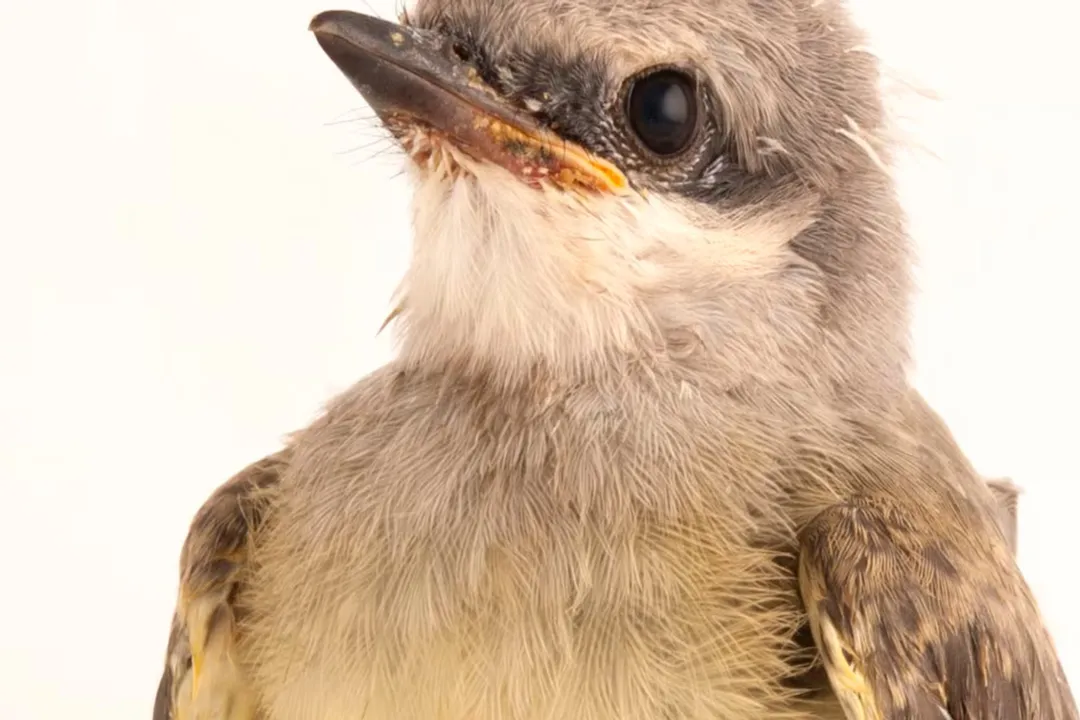
What specific dietary inclusions allow the Western Kingbird dietary flexibility outside peak insect seasons?
Fruits and seeds from plants like sumac and poison ivy
The Western Kingbird demonstrates evolved dietary flexibility that is vital for survival when the primary food source of aerial insects is scarce, such as during migration or winter months. While their physical structure—small, black bills—is suited for capturing insects like bees, robber flies, grasshoppers, and beetles mid-air, their diet is supplemented significantly by plant matter during lean times. This supplementation includes fruits and seeds derived from specific local flora such as sumac and poison ivy. This adaptation allows the species to maintain energy reserves and successfully complete long migratory journeys or endure periods of lower insect availability, indicating an important layer of resilience in their survival strategy, even though their lineage is fundamentally specialized for aerial insectivory.