Western Kingbird Diet
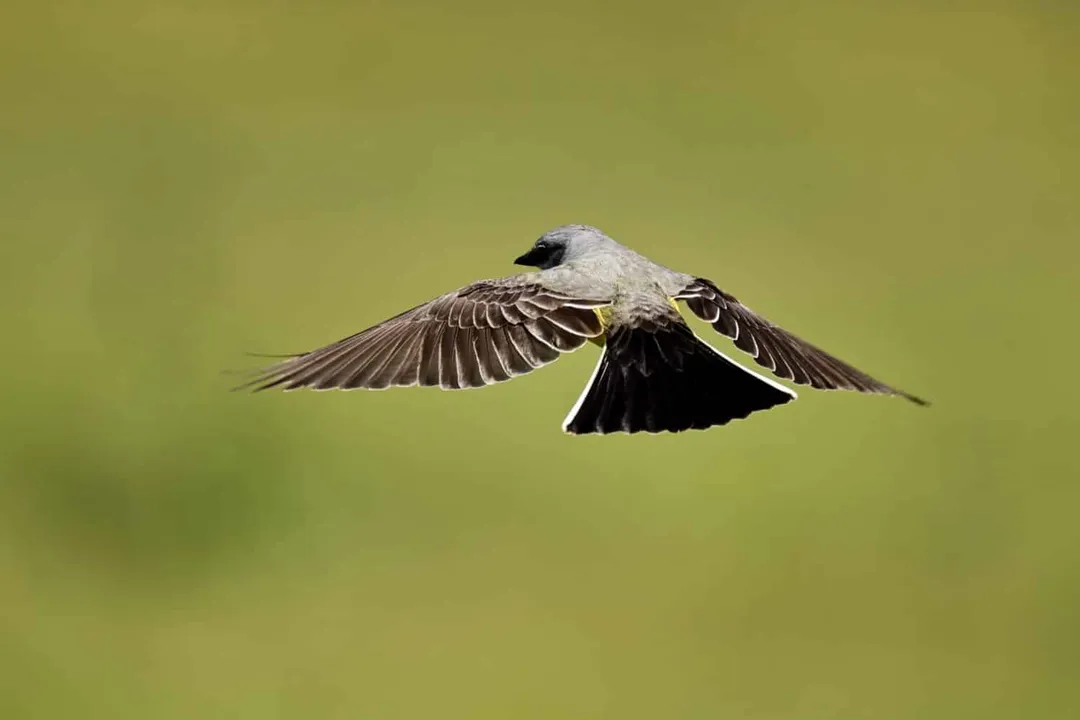
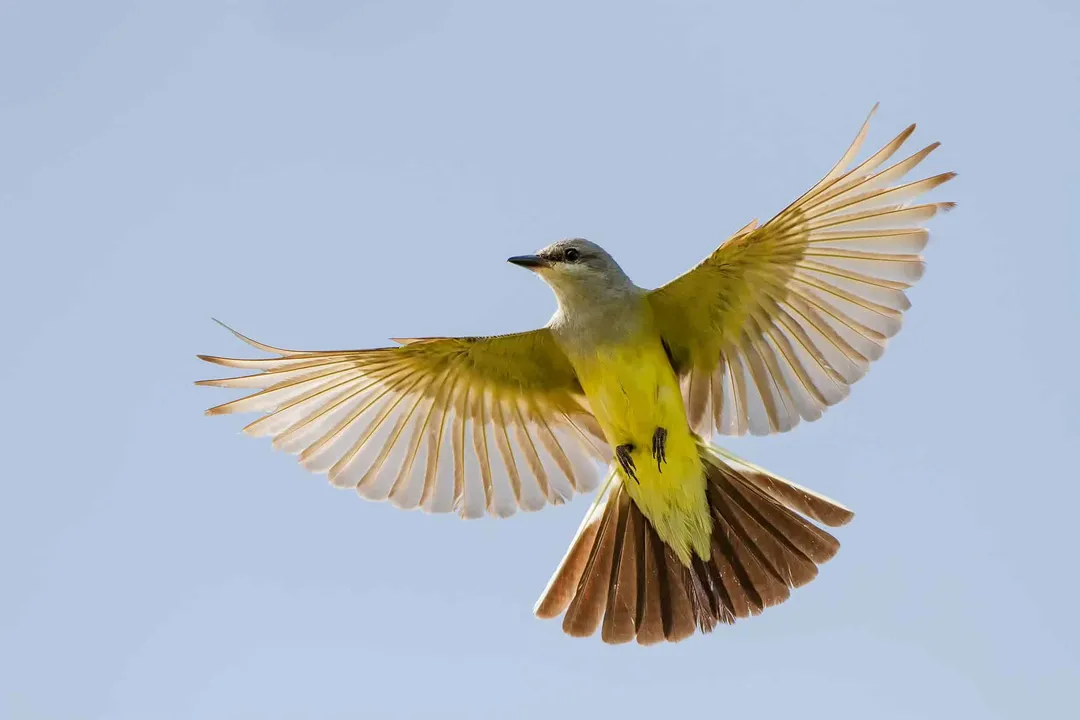
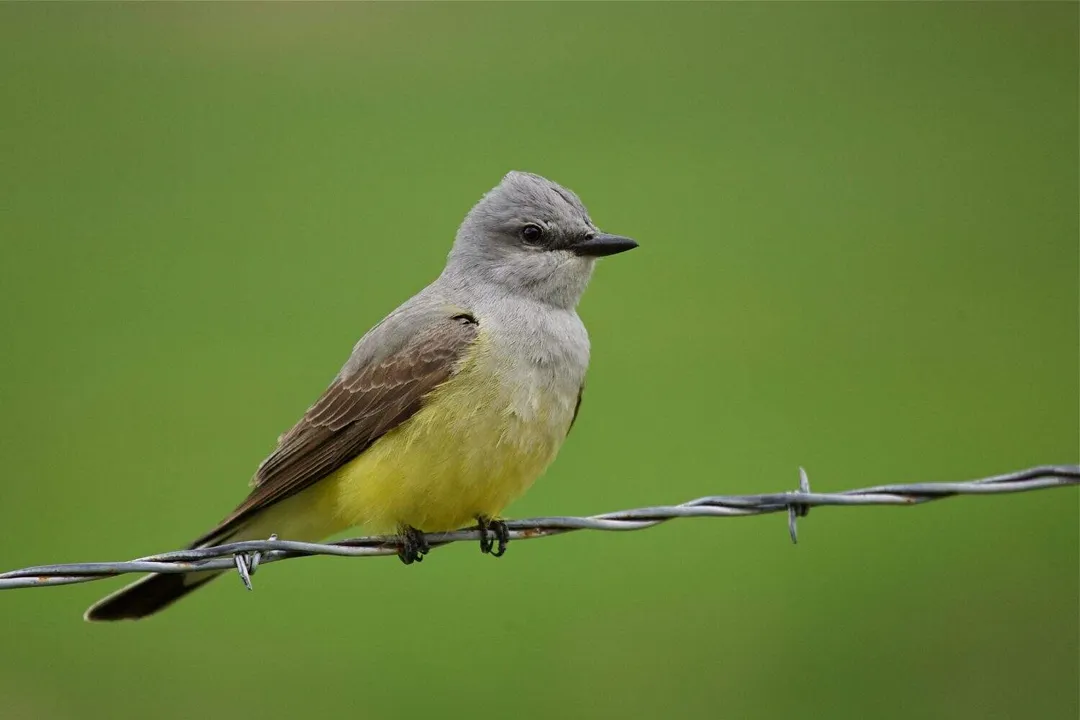
The Western Kingbird, Tyrannus verticalis, is defined by its active, diurnal schedule and its strong preference for a diet composed overwhelmingly of animal matter, positioning it firmly within the realm of insectivores. This vibrant flycatcher, recognizable by its ashy gray head, lemon-yellow underparts, and striking black tail with white edges, spends its daylight hours actively hunting in the open country it favors. The name Tyrannus hints at its assertive nature, which is intrinsically linked to securing and defending the foraging grounds that sustain its high-energy lifestyle.
# Insectivorous Staple
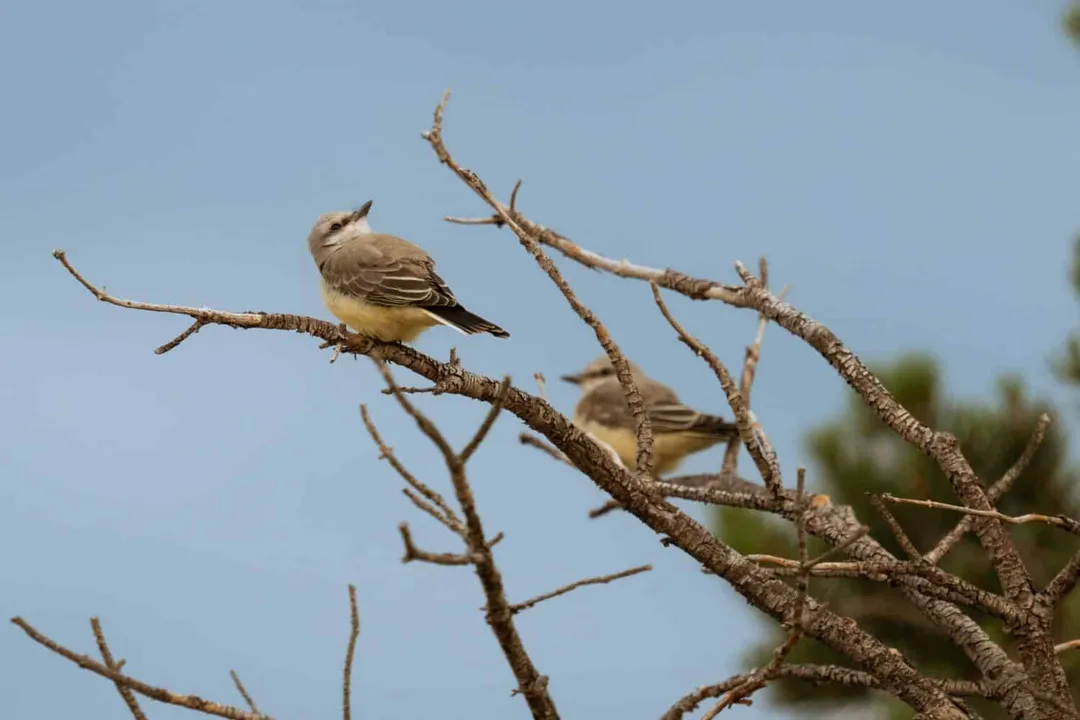
The bulk of the Western Kingbird’s nutrition comes from insects, which they capture with remarkable aerial dexterity. Their feeding style is classic for a tyrant flycatcher: they employ a "sallying" technique, launching from a conspicuous perch to intercept prey in mid-air. This behavior is not confined to the air, however; they will also snatch terrestrial prey from the ground or pluck items from plants while hovering nearby. Their foraging range can extend at least 400 meters (or about 1,300 feet) from the nest site during the breeding season, indicating the necessity of a broad, rich feeding territory.
The variety of aerial invertebrates they consume is extensive, showing an opportunistic yet specialized approach to catching flying insects during the warmer months. A detailed look at recorded prey shows that their menu spans several major insect orders, making them essential controllers of various flying and crawling arthropods in their open habitats.
# Prey Catalog
The specific insects targeted by Western Kingbirds include many common, often-nuisance species. This detailed list reveals a clear focus on swift-moving, flying insects, though some slower-moving or larger terrestrial ones are taken as well.
| Prey Category | Specific Examples Sourced | Foraging Style Implication |
|---|---|---|
| Flying Insects | Wasps, Bees, Flies, Winged Ants, Moths, Grasshoppers (winged stages) | Primarily aerial pursuit (sallying) |
| Beetles | Beetles | Aerial or ground capture |
| Bugs | True Bugs | Aerial or ground capture |
| Larvae/Crawlers | Caterpillars | Likely gleaned from vegetation or caught during short flights |
| Arachnids | Spiders | Gleaned or caught low to the ground/plants |
| Other Invertebrates | Millipedes | Ground foraging |
It is interesting to note the presence of robber flies on their menu. Robber flies themselves are formidable predators of other insects, suggesting that Western Kingbirds are capable of successfully targeting fast, agile prey that might otherwise evade a less aggressive or less visually acute aerial hunter.
# Supplemental Foraging
While the kingbird’s classification leans heavily toward carnivory—specifically insectivory—the diet is not exclusively insects and spiders. Plant materials make up a small, though notable, portion of their intake, particularly when insects might be less abundant or as a source of hydration.
The fruit and seed components are highly specific, often reflecting the available woody plants within their preferred open, low-elevation habitats. They are known to consume:
- Berries from elderberry.
- Hawthorn fruit.
- Seeds and fruit from woodbine.
- Seeds from poison ivy.
- Fruit from Texas mulberry.
The consumption of berries and seeds is generally described as occasional. This suggests that while their physiology and hunting style are geared toward insects, the opportunistic intake of seasonally available fruits and seeds provides necessary complementary nutrients or moisture, especially as they prepare for migration or encounter temporary lulls in insect populations. Even the rare documented consumption of small vertebrates, such as tree frogs, speaks to their opportunistic nature when a suitable, easy meal presents itself near the ground or low vegetation.
# Diet and Territorial Defense
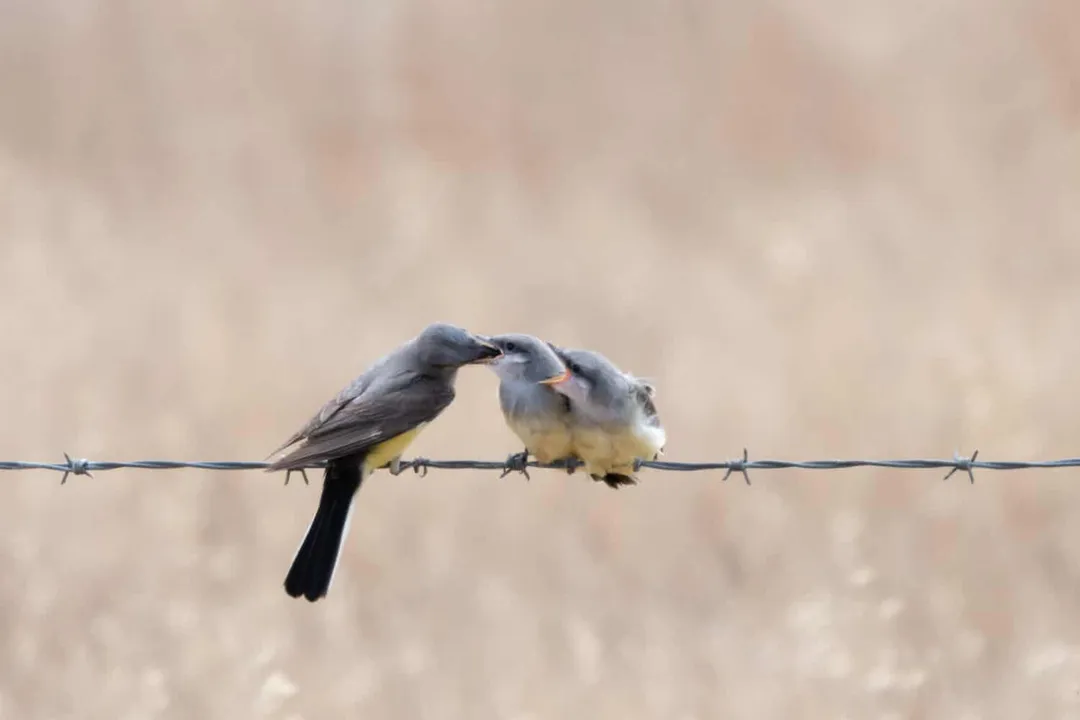
The Western Kingbird's famously aggressive behavior, which leads them to chase off hawks, crows, and jays—often displaying hidden crimson crown feathers while snapping their bills—is directly tied to maintaining access to a reliable food supply. This territoriality is not just about nesting space; it is about ensuring that the prime perching spots—utility poles, isolated trees, and fence wires in open country—remain available for their flycatching sorties.
A bird that successfully defends a wide foraging radius around its nest ensures that its developing young have a consistent supply of high-protein insects, a critical factor given that both parents feed the altricial nestlings. In essence, the energy expended in defending territory is an investment in maximizing caloric return from the aerial insect buffet available in their chosen open landscape. This aggressive resource guarding contrasts sharply with their generally solitary nature outside the breeding season, suggesting the dietary demands of reproduction drive the highest levels of aggression.
When observing where these birds choose to hunt, the preference for open areas becomes apparent. They thrive in croplands, grasslands, and savannas where sightlines are clear for spotting aerial prey. They actively dislike areas with heavy brush, high weeds, or dense timber, as these environments impede their ability to spot and intercept flying food sources effectively. Therefore, their choice of habitat is perhaps the most important precursor to their dietary success; a patchy, open environment with scattered tall perches is the perfect hunting ground for their specialized feeding method.
If a local human activity, such as the planting of new roadside trees or the installation of utility poles in previously open fields, inadvertently creates better hunting perches, the Western Kingbird's breeding range has been known to expand into those areas as a consequence. This demonstrates a direct feedback loop: improved infrastructure for hunting translates into better resource acquisition, supporting successful breeding.
# Dietary Requirements in Practice
Understanding the natural diet is crucial, especially when considering the challenges faced by wildlife rehabilitators dealing with injured or orphaned birds. Discussions among rehabilitation professionals underscore that the Western Kingbird is strictly an insectivore whose health rapidly declines on inappropriate diets.
One striking observation from a wildlife rescue group noted that a long-standing, meat-based diet (including pureed beef heart, crushed calcium, and commercial baby food) led to starvation, defeathering, and death in their kingbirds. This situation serves as a powerful, if unfortunate, case study in why replicating the natural diet is paramount for insectivores. Such meat-based, high-fat/low-insect diets, sometimes passed down through tradition, were recognized as "outdated and obsolete," bordering on being detrimental, compared to modern standards.
The consensus among experienced rehabilitators is to stick closely to an insect-based protocol for these birds. Preferred staples include crickets, mealworms, and waxworms, which are often supplemented by dusting them with high-quality, specialized vitamin/mineral powders designed for reptiles or avians before feeding. For very young or compromised birds, commercial insectivore formulas (like Mazuri) mixed into a smooth slurry provide a convenient, nutritionally complete source of energy until they can process whole insects, though care must be taken to keep the bird clean after feedings. Even dog chow, mentioned as a supplement in some contexts, is generally discouraged for long-term health maintenance in favor of whole, dusted insects, which better mirror the natural intake of protein, chitin, and essential nutrients like calcium.
This real-world application in rehabilitation highlights a key component of the kingbird’s natural dietary needs: the complete nutritional profile found within exoskeletons and varied insect tissues is irreplaceable by mammalian or processed food sources. For the wild bird, the combination of winged insects (for flight energy) and ground-foraged invertebrates (for density) provides a balanced intake that is fundamentally different from any non-insect formula.
# Foraging Style Comparison
The kingbird’s feeding strategy involves a dynamic interplay between waiting and striking, often contrasting aerial pursuit with ground gleaning.
Consider the efficiency trade-off: Waiting on a high perch (like a utility wire) offers an excellent vantage point for spotting fast-moving aerial targets, requiring short, high-speed dashes—the quintessential flycatching maneuver. This maximizes capture success for high-energy prey like bees and robber flies. However, when insect activity slows in the air, or if a larger prey item, like a grasshopper, is spotted on the ground, the bird must transition to a lower approach. This involves dropping down, perhaps hovering briefly, to snatch the item before returning to a perch or consuming it immediately. This ability to switch effectively between "air hunting" and "ground gleaning" based on perch visibility and current insect availability allows the Western Kingbird to maintain a successful diet across various times of day and micro-habitats within its open territory. A healthy bird constantly assesses whether the energy cost of launching for a distant fly or dropping for a stationary grasshopper offers the better return on investment for its next meal.
The kingbird’s reliance on these specific foraging techniques means that the structural complexity of its environment dictates its feeding success. A solitary snag in a vast field offers a better hunting platform than a dense thicket, regardless of how many insects are present in the thicket itself.
# Seasonal Dietary Shifts
While the core diet remains insectivorous, migration patterns introduce seasonal shifts that affect food choices. The birds move from breeding grounds in western North America toward wintering areas in Mexico, Central America, and Florida.
As they arrive on breeding grounds in the spring, insects are the immediate necessity to fuel territory establishment and pair bonding. The young, which hatch altricial and require constant feeding, depend entirely on parents bringing back these high-protein meals. Once the breeding season concludes in late summer, and before the southward migration begins, the consumption of available fruits and berries likely increases. This dietary adjustment provides readily available sugars and carbohydrates that can be quickly converted into the necessary fat reserves for the long migratory flights. While they are known to wander along the East Coast during fall migration, showing up where they don't breed in spring, their success on these unusual routes depends on finding adequate stopover sustenance, which often includes whatever late-season berries might be present.
The Western Kingbird exists in a constant, dynamic relationship with its immediate environment—its diet is less a fixed menu and more a finely tuned, opportunistic response to the availability of aerial prey, supplemented by energy-rich plant matter when needed, all secured through tireless territorial defense and specialized flight techniques. The bird's continued success relies on its ability to secure these open, insect-rich landscapes where its hunting methodology thrives.
Related Questions
#Citations
Western Kingbird Overview, All About Birds, Cornell Lab of Ornithology
Kingbird Diet : r/WildlifeRehab - Reddit
Western Kingbird - Facts, Diet, Habitat & Pictures on Animalia.bio
Tyrannus verticalis - Western Kingbird - Utah Field Guides
[PDF] Life history account for Western Kingbird
The western kingbird likes open areas. - Las Pilitas Nursery
Western Kingbird Bird Facts - Tyrannus verticalis - A-Z Animals