Western Rattlesnake (Northern Pacific Rattlesnake) Evolution
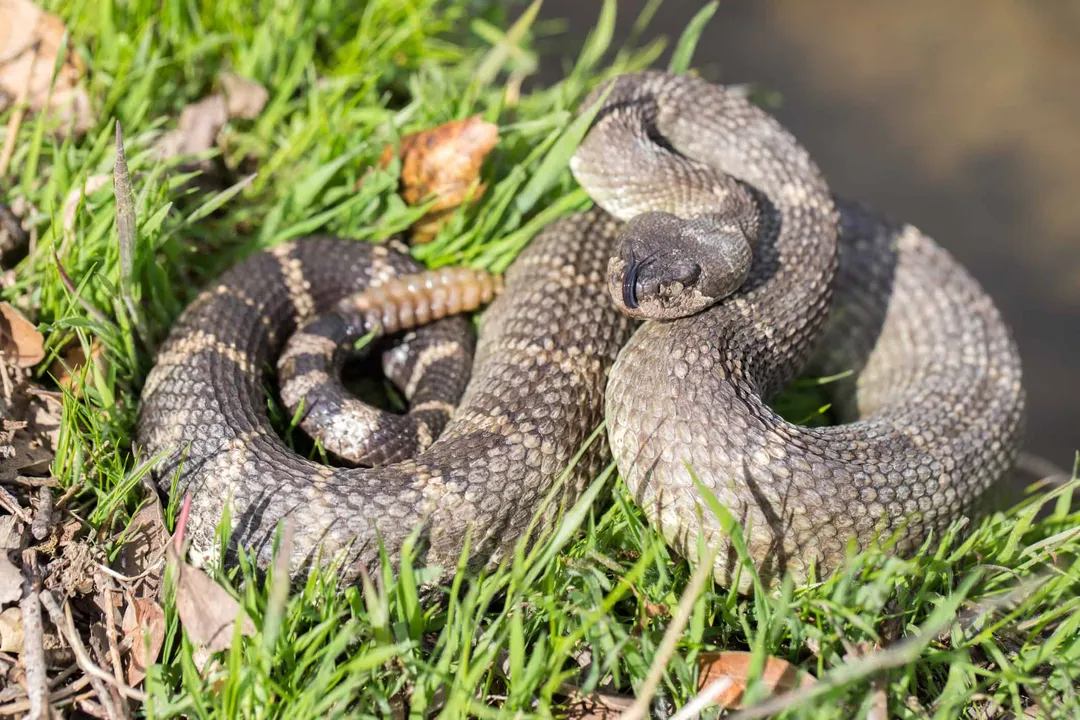
The Western Rattlesnake, scientifically designated as Crotalus oreganus, represents a fascinating case study in North American herpetological evolution, spanning a vast and ecologically diverse geographic range. This reptile belongs to the Crotalinae subfamily, the pit vipers, distinguished by the heat-sensing pits located between their eye and nostril. Historically, the taxonomy of this group has been complex, often leading to confusion regarding its boundaries and relationships with other rattlesnakes. For a long time, many populations now recognized under C. oreganus were grouped under the broader classification of Crotalus viridis, the prairie rattlesnake, creating a tangled history that modern genetic work is slowly untangling.
# Snake Identity

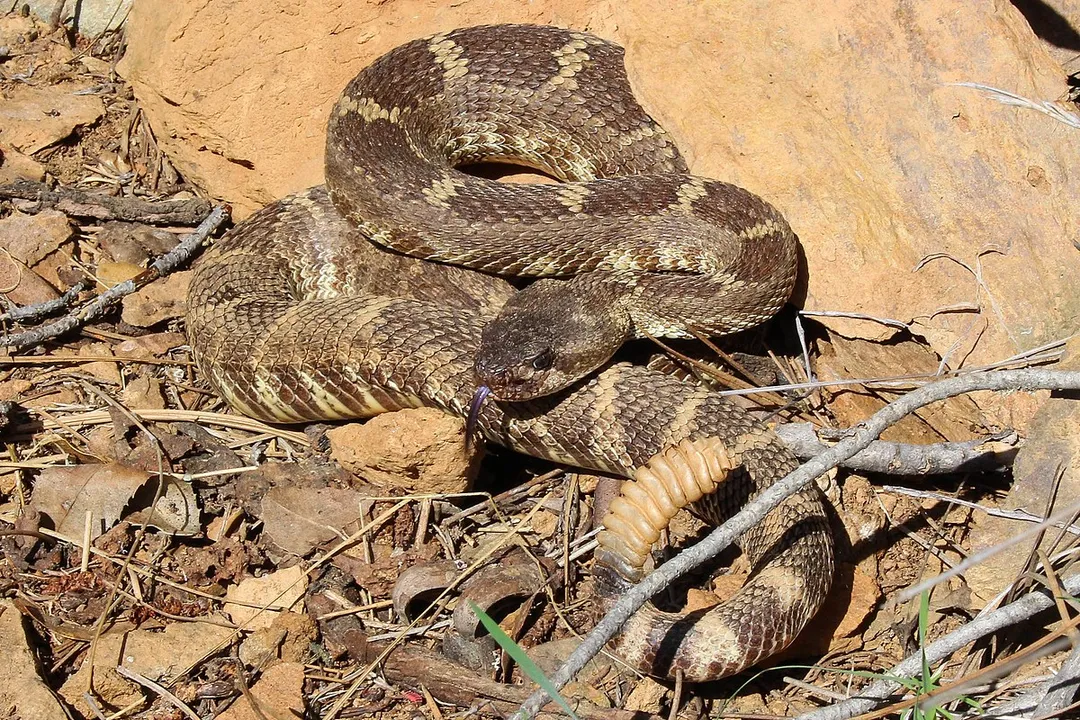
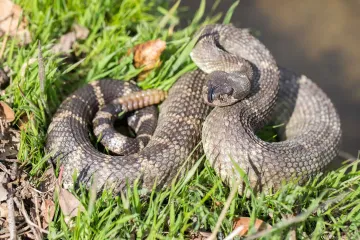
The name Crotalus oreganus itself reflects early recognition of populations in the Pacific Northwest, though its current designation covers snakes stretching from southern British Columbia down through much of the Western United States. The species is generally characterized by a broad, triangular head, heavy body, and, of course, a segmented rattle at the tail tip which, contrary to popular myth, does not indicate age directly but rather the number of successful sheds since the terminal segment was formed. Coloration is highly variable, ranging from grayish or brownish to yellowish, often displaying darker blotches or bands, which aids in camouflage across varied substrates like forests, deserts, and grasslands. The general designation Crotalus oreganus is considered globally secure by conservation bodies, holding a G5 ranking, though local populations may face specific threats.
# Western Sprawl
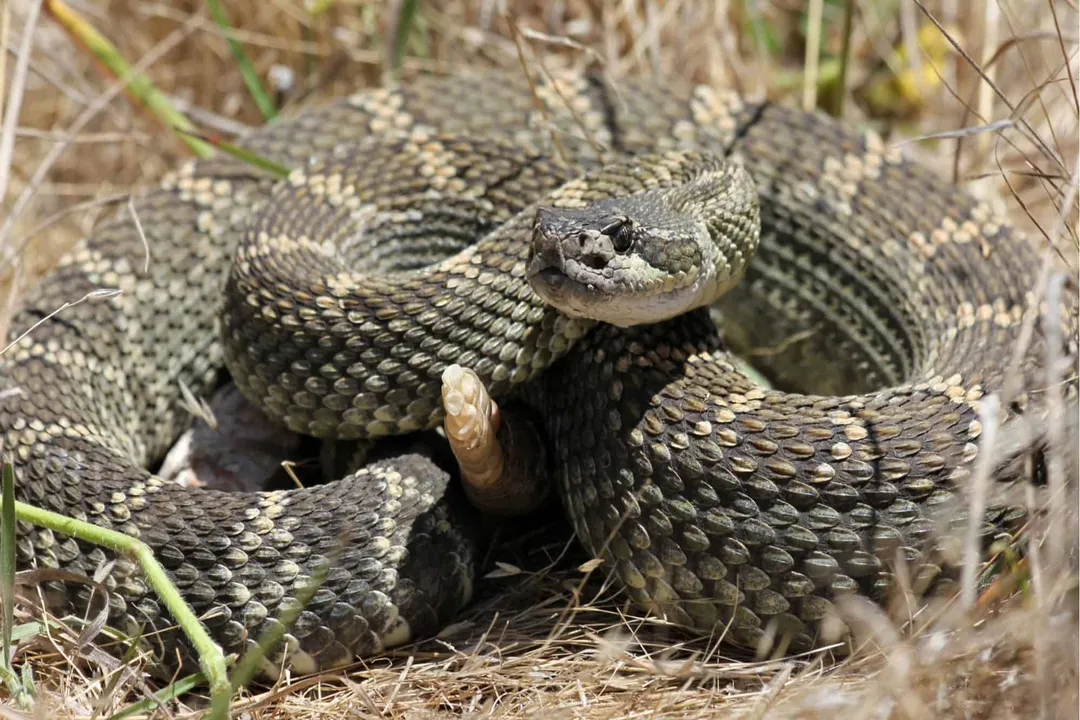
The sheer geographic spread of the Western Rattlesnake is a primary driver of its evolutionary narrative. Its territory encompasses the Pacific coastlines, the Rocky Mountain foothills, and the arid Great Basin interiors, demanding significant adaptability. This wide distribution suggests multiple rounds of dispersal and subsequent isolation, processes that drive speciation and the formation of distinct lineages. Different subpopulations have adapted to radically different thermal regimes; a snake navigating the cool, damp undergrowth of the Pacific Northwest (like populations discussed in Washington State) faces very different ecological challenges than one surviving the extreme heat fluctuations of inland arid regions. The fact that such varied phenotypes and physiologies are all currently contained within C. oreganus highlights the species' inherent plasticity. Considering the vast habitat heterogeneity across its range, it is interesting to note how rapidly local selective pressures—driven by prey availability, ground substrate color, and regional climate—must have shaped differences that, over deep time, could lead to further divergence, even if current morphology doesn't always reflect these deep genetic separations.
# Ice Refugia
The deep evolutionary history of C. oreganus is inextricably linked to the Pleistocene glaciations. During periods when massive ice sheets covered large parts of North America, many populations were forced into smaller, isolated patches of habitable land known as glacial refugia. Genetic studies of the Crotalus viridis complex, which includes C. oreganus, strongly suggest that the retreat of these glaciers provided the subsequent opportunity for range expansion. As the ice retreated, populations expanded outward from these smaller refugia, colonizing newly available habitats.
Phylogeographic analysis, which maps genetic variation across geographic space, often reveals patterns consistent with this history. For instance, genetic breaks observed in populations today can often be traced back to barriers that existed during glacial maximums, such as major mountain ranges or large river systems that served as barriers during drier interglacial periods. This process of range expansion from multiple, separated source populations means that genetic variation within the C. oreganus group is structured geographically, rather than being randomly mixed across the landscape. The patterns of genetic mixing or isolation observed across the western United States provide a roadmap of how these snakes survived and subsequently repopulated the continent following the crushing environmental pressures of the ice ages.
# Divergence Mapping
Modern molecular techniques have illuminated the extent of genetic divergence within the Western Rattlesnake complex, often revealing splits that predate easily identifiable morphological differences. Research focusing on population structure has demonstrated significant genetic breaks across the historical range of C. oreganus and its relatives. For example, studies looking at divergence times between various populations suggest ancient separation events, sometimes linking these splits to significant geophysical or climatic events millions of years ago.
When comparing the deep genetic separations seen in molecular data with the current subspecies classifications, one often finds a mismatch—a common theme in rapidly evolving or recently re-expanded groups. The genetic landscape shows that some recognized subspecies might be genetically closer to populations outside their current classification than to others within it, pointing toward the limitations of classifying evolution based solely on visible traits like scale pattern or coloration. Furthermore, localized studies provide context for these broader patterns. For instance, examining populations in the northern reaches of the species’ range allows researchers to gauge how recent gene flow or local adaptation might be influencing the current genetic picture, sometimes revealing shifting baselines in population health or structure over decades. The observation that genetic structure can be highly localized suggests that movement barriers, even subtle ones like a few miles of unsuitable habitat, can be significant evolutionary forces on a millennial timescale.
# Toxin Changes
Evolution in rattlesnakes is not limited to external appearance or geographic distribution; it profoundly affects their biochemical defenses and offensive weapons: their venom. The venom of Crotalus oreganus is complex, primarily composed of proteins that affect the circulatory system and nervous system. However, the exact composition varies significantly depending on geographic location, likely driven by the specific venom targets required for local prey.
Rattlesnakes feeding predominantly on small rodents might evolve venom profiles optimized for incapacitating those specific mammals quickly, whereas those that occasionally consume reptiles or other ectotherms might maintain a slightly different toxicological balance. This ongoing biochemical arms race—where the predator evolves its venom to counter prey defenses or better subdue them, and prey develops resistance—is a potent, fast-acting evolutionary pressure. The chemical variance in venom across the C. oreganus distribution is itself a testament to the species' adaptability to local ecological niches, demonstrating that the selective pressures acting on the species are finely tuned to the immediate environment, driving chemical evolution alongside physical adaptation.
# Modern Stability
While the evolutionary past of C. oreganus is marked by dramatic shifts due to glaciation and range expansion, its current status in many areas points toward relative ecological stability where conditions are favorable. The species is generally abundant across much of its historical range, which has contributed to its relatively low immediate extinction risk across the entire species complex. However, it is crucial to recognize that general security does not equate to uniform safety across all locales.
In certain regions, specific populations may be geographically isolated due to habitat fragmentation caused by human development, such as roads or agricultural conversion. These smaller, isolated groups can experience bottlenecks, inbreeding, or local extirpation even if the overall species designation remains secure. Monitoring these localized groups, especially those near the periphery of the overall range or in heavily altered landscapes, provides essential insight into ongoing microevolutionary processes and potential threats that might shift the long-term prognosis for those specific gene pools. This localized perspective is vital; while the ancient evolutionary story is one of survival through continental change, the modern story requires attention to habitat connectivity to prevent future fragmentation from locking in negative evolutionary trajectories for small groups.
Related Questions
#Citations
Crotalus oreganus - Wikipedia
Western Rattlesnake (Northern Pacific Rattlesnake) - A-Z Animals
The Western Rattlesnake (Crotalus viridis) - University of Oregon
Evolutionary trends in venom composition in the western ... - PubMed
The tale of the rattle: Using rattle size to understand growth and ...
Crotalus oreganus - NatureServe Explorer
Disentangling a genome-wide mosaic of conflicting phylogenetic ...
This chart is pretty good for telling the difference in California ...
Western rattlesnake | Washington Department of Fish & Wildlife
Reflecting on Benchmarks and Shifting Baselines in a Northern ...