How does the activity cycle of the *Crotalus atrox* shift during the intense heat of the summer months?
It primarily becomes nocturnal or twilight active to avoid overheating
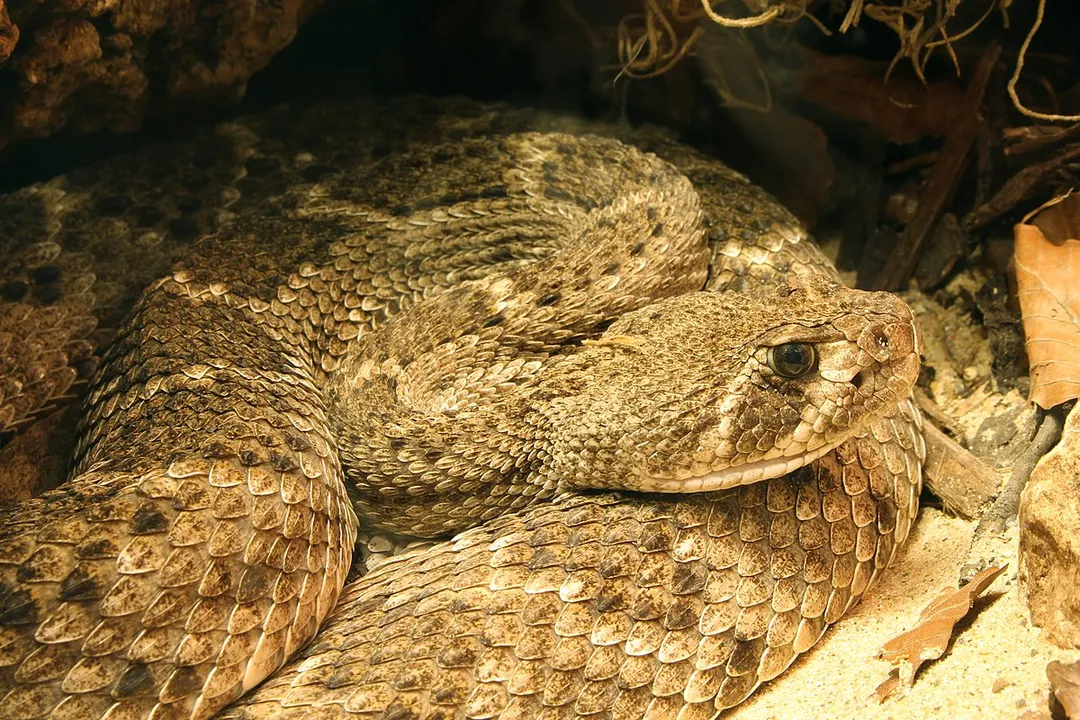
As an ectotherm, the Western Diamondback must adjust its behavior to maintain an acceptable internal temperature based on the external environment. During the cooler periods, such as spring and fall, they exhibit diurnal (daytime) and crepuscular (twilight) activity, often moving to forage following brumation. However, when ambient temperatures become severely high, specifically during the summer, this pattern flips. To prevent overheating, which is a significant physiological risk for cold-blooded animals, they shift their primary activity phases to the nocturnal (nighttime) hours or remain active only during the twilight periods when the sun's intensity is reduced.
#Videos
The Western Diamondback Rattlesnake: Everything You Need To ...