Western Rattlesnake (Northern Pacific Rattlesnake) Scientific Classification
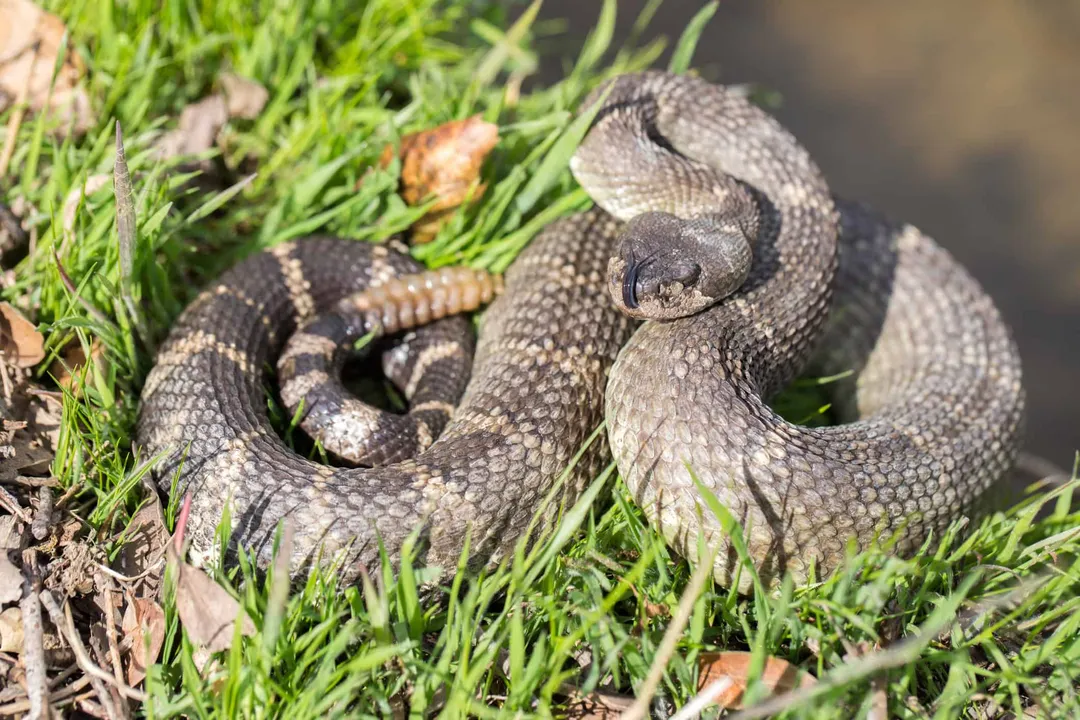
The Western Rattlesnake, frequently called the Northern Pacific Rattlesnake, occupies a specific and often debated position within the hierarchy of life. Understanding this creature, scientifically designated as Crotalus oreganus, requires a deep dive into the Linnaean system, tracing its lineage from the broadest grouping of life down to the species level, and even into the nuances of its regional variations. [1][6] This scientific classification is not static; it is a dynamic record reflecting current understanding based on morphology, genetics, and geographic distribution, which means that what is written in one authoritative text might slightly differ from another, particularly when dealing with species complexes like this one. [1][7]
# Binomial Name
Every recognized species receives a two-part scientific name, known as binomial nomenclature, established by Carl Linnaeus. [1] For this rattlesnake, that name is Crotalus oreganus. [4][7] The first part, Crotalus, is the genus name and is always capitalized. The second part, oreganus, is the specific epithet, always written in lowercase. Together, they uniquely identify this particular group of snakes, distinguishing them from all other species in the animal kingdom. [1] The specific epithet oreganus draws a direct link to the geographic area from which the type specimen may have originated or where the snake is commonly found. [1]
# Higher Ranks
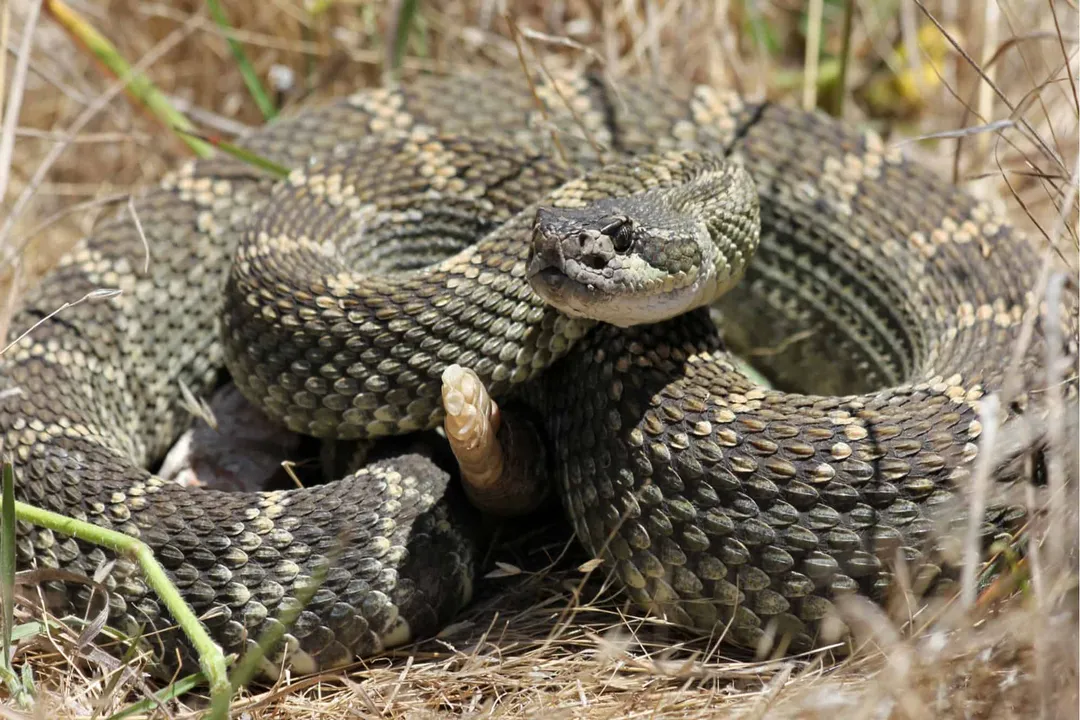
Tracing the snake upward reveals its fundamental biological placement. At the highest level provided by the taxonomic records, Crotalus oreganus belongs to the Kingdom Animalia, signifying it is a multicellular, heterotrophic organism. [1][3][4] Moving down, it is placed within the Phylum Chordata, meaning it possesses a notochord at some stage of development, classifying it among animals with backbones. [1][3][4] The Class is Reptilia, characterized by being cold-blooded vertebrates that typically have scales and lay eggs (though many viviparous species exist). [1][3][4]
Within the reptiles, the Order is Squamata, which encompasses all lizards and snakes. [1][3][4] Snakes belong to the Suborder Serpentes. [1][3][4] The family designation is crucial for understanding this animal's danger level and physical traits: the family is Viperidae, the true vipers. [1][3][4] More specifically, they fall into the subfamily Crotalinae, the pit vipers, named for the distinctive heat-sensing pits located between the eye and the nostril on each side of the head. [1] This classification immediately informs field observers about key characteristics, such as the presence of hinged, hollow fangs used for venom injection. [1]
# Genus Placement
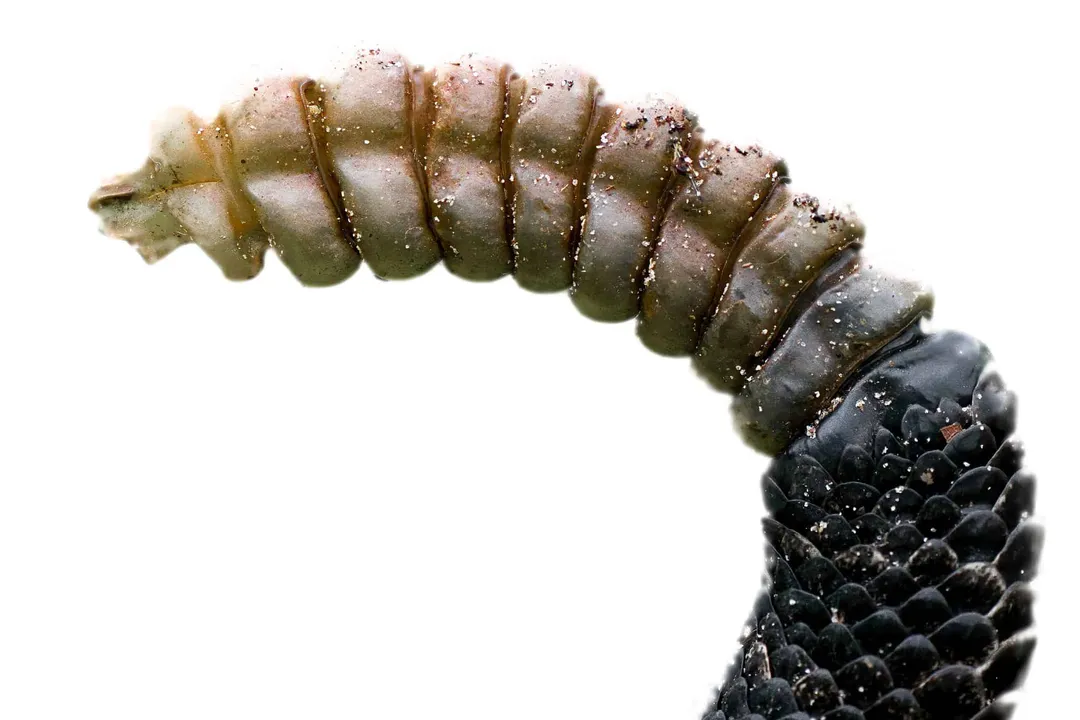
The genus Crotalus unites all rattlesnakes. [4][7] Snakes within this genus share common ancestry and exhibit similar evolutionary traits, most notably the keratinous segments forming the rattle on the tail, which is shaken to produce a warning sound. [1] While the specific pit viper subfamily Crotalinae also includes genera like Agkistrodon (copperheads and cottonmouths), the genus Crotalus is reserved for the New World rattlesnakes. [1] The Wyoming Natural Diversity Database entry for Crotalus oreganus affirms this placement, treating it as a distinct entity within the broader group of North American pit vipers. [8]
# Species Debate
The specific grouping of Crotalus oreganus has been a point of taxonomic discussion, illustrating the fluid nature of scientific classification. [1] Some authorities recognize C. oreganus as a species distinct from the widely distributed Crotalus viridis (Western Rattlesnake complex). [1][7] However, historical and ongoing revisions sometimes lump several forms formerly classified as C. oreganus subspecies into the broader C. viridis group, or treat C. viridis as a subspecies of C. oreganus, depending on the systematic authority consulted. [1][7] For instance, the ITIS database lists Crotalus oreganus while also noting subspecies relationships that sometimes suggest overlap or historical synonymy with C. viridis populations. [4] The name Crotalus oreganus is firmly tied to the specific snake known as the Northern Pacific Rattlesnake in areas like British Columbia, where this is the recognized native species. [5][6]

# Subspecies Organization
The species Crotalus oreganus is often subdivided into several recognized subspecies, which represent distinct populations that have evolved slightly different characteristics within their geographic ranges. [1][4] The Reptile Database lists C. o. caligula, C. o. oreganus, and C. o. viridis within C. oreganus, though it acknowledges that some older classifications placed C. o. viridis separately or as a distinct species. [7]
The Idaho Department of Fish and Game confirms the presence of Crotalus oreganus within its jurisdiction, providing specific context for the regional forms found there. [10] For example, the nominate subspecies, Crotalus o. oreganus, is the one frequently associated with the common name Northern Pacific Rattlesnake and covers the northwestern extent of the species' range. [1] Other subspecies, which might be grouped differently depending on the taxonomic standard applied, include those historically recognized in other western states, such as C. o. lutosus or C. o. concolor in some schema. [1]
| Subspecies Grouping | Primary Defining Feature (Implied) | Geographic Relevance | Citation Context |
|---|---|---|---|
| C. o. oreganus | Nominate form, NW distribution | Northern Pacific areas (e.g., BC, Washington) | Designated type; widely accepted [1][5] |
| C. o. viridis | Often complex or synonymized group | Broader Great Plains/Intermountain West | Placement debated across sources [1][4][7] |
| C. o. caligula | Distinct regional morph | Specific localized area (not detailed in sources) | Recognized by ITIS and Reptile Database [4][7] |
# Taxonomic Stability Analysis
When encountering different classification schemes across reputable sources—such as the slight variation in subspecies lists between Wikipedia and ITIS—it prompts an observation about applied biology. For the general reader or even a local wildlife manager, the classification of Crotalus oreganus versus being subsumed under C. viridis has practical implications beyond academic labeling. If a subspecies traditionally assigned to C. oreganus is genetically similar enough to be reclassified under C. viridis in a major database, it can affect how state agencies—like those in Oregon or Idaho—apply standardized conservation protocols or inter-state data sharing for a particular population's management plan. [3][6][10] For instance, Oregon lists the Western Rattlesnake under its Conservation Strategy as a Species of Greatest Conservation Need, a designation that relies on clear jurisdictional boundaries defined by accepted taxonomy. [6] A change in species status could theoretically affect how federal protections or considerations are applied across state lines, even if the snake looks identical on the ground.

# Distribution Context
While classification is about naming, it is inextricably linked to geography. The NatureServe ranking for Crotalus oreganus is G5, meaning it is globally ranked as Secure. [2] This G5 status applies to the species as currently defined, covering a vast range across western North America. [2] The fact that the Northern Pacific Rattlesnake variant is tracked by the British Columbia Ministry of Environment indicates that the classification Crotalus oreganus must be precise enough to delineate management areas where conservation actions are necessary, even if the overall species is secure globally. [5] In contrast, the Oregon Conservation Strategy focuses on the snake's need for conservation within that state's borders, demonstrating how local context shapes the application of global taxonomy. [6]
# Ecological Linkage
The scientific placement of this snake deep within the Crotalinae subfamily, the pit vipers, offers an insight that extends directly into emergency response. Although the venom composition varies considerably among the different subspecies of Crotalus oreganus—ranging from primarily hemotoxic effects to those with stronger neurotoxic components—the shared ancestry with other pit vipers means the clinical presentation of a bite requires immediate specialized treatment. [1][8] While one might not need to distinguish C. o. oreganus from C. o. caligula at the scene of an incident, recognizing the Crotalus genus demands the immediate administration of the appropriate antivenom, which is typically broad-spectrum enough to cover most North American Crotalus species. This shared venom type, rooted in the family and subfamily classification, is a more immediate practical concern than resolving the subspecies phylogeny.
Related Questions
#Citations
Crotalus oreganus - Wikipedia
Crotalus oreganus - NatureServe Explorer
Crotalus oreganus - Explore the Taxonomic Tree | FWS.gov
ITIS - Report: Crotalus oreganus
Crotalus oreganus Western Rattlesnake - Species Summary
Western Rattlesnake - Oregon Conservation Strategy
Crotalus oreganus HOLBROOK, 1840 - The Reptile Database
(species) crotalus oreganus - WY Field Guide
Western Rattlesnake (Northern Pacific Rattlesnake) - A-Z Animals
Crotalus oreganus (Western Rattlesnake) - Idaho Fish and Game