Western Diamondback Rattlesnake Scientific Classification
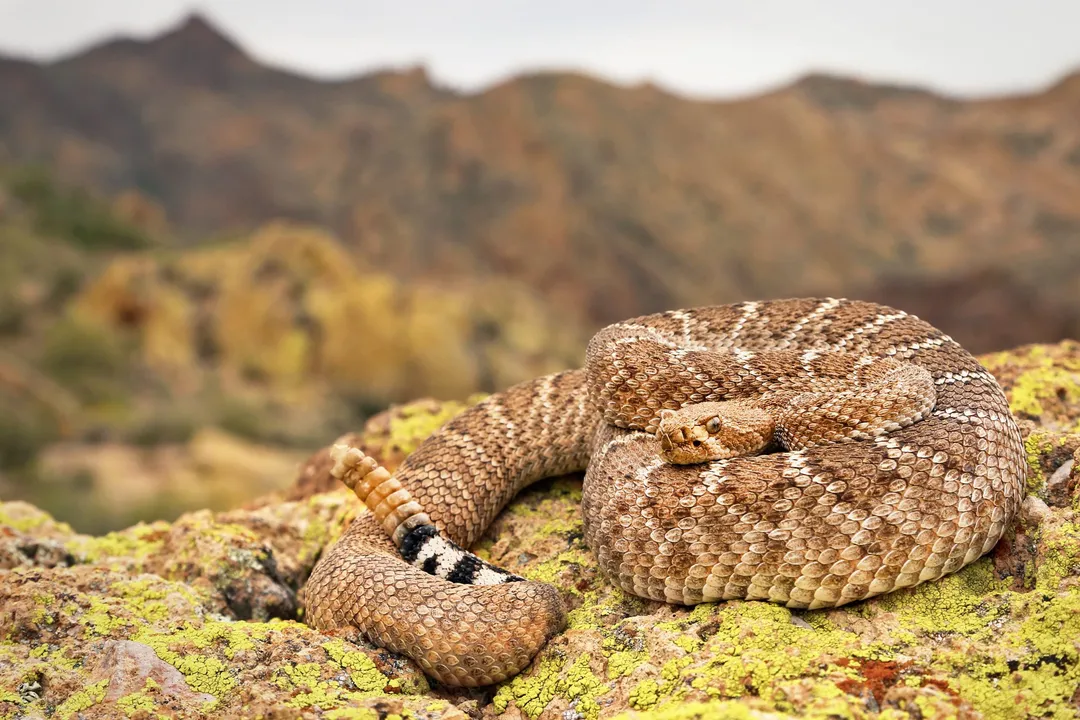
The Western Diamondback Rattlesnake, known scientifically as Crotalus atrox, occupies a precise and fascinating niche within the tree of life, a placement that defines everything from its physical structure to its ecological interactions across the arid landscapes of North America. Understanding its scientific classification is not merely an exercise in memorizing Latin names; it’s mapping its evolutionary history and kinship with all other living things. This classification system, rooted in the Linnaean hierarchy, takes us from the broadest grouping—Kingdom—down to the unique identifier of the species itself.
# Linnaean Placement
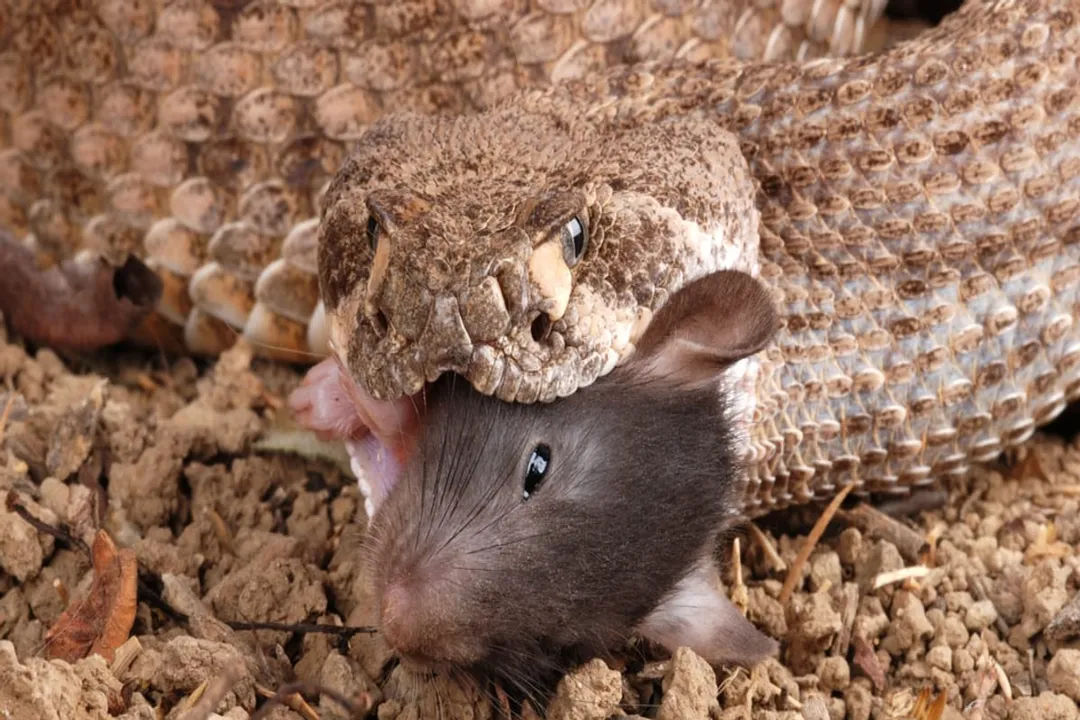
The full scientific classification for Crotalus atrox reveals a clear lineage, tracing its ancestry through several distinct evolutionary steps. The system used by biologists places this venomous snake firmly within the reptile lineage, confirming its cold-blooded nature and scaled anatomy.
The recognized hierarchy generally follows this structure, moving from the general to the specific:
- Kingdom: Animalia (Animals)
- Phylum: Chordata (Animals with a notochord or backbone)
- Class: Reptilia (Reptiles)
- Order: Squamata (Scaled reptiles, including snakes and lizards)
- Family: Viperidae (Vipers, characterized by hinged fangs)
- Subfamily: Crotalinae (Pit vipers, distinguished by the heat-sensing pit organs)
- Genus: Crotalus (Rattlesnakes)
- Species: Crotalus atrox (Western Diamondback Rattlesnake)
It is interesting to observe that while most common sources list the hierarchy down to the Family or Genus level, more detailed taxonomic records, such as those provided by NatureServe, often focus on the conservation status at the species or subspecies level, confirming the accepted scientific name Crotalus atrox as the key identifier for management and study. Similarly, other sources reinforce this placement, sometimes detailing the specific subspecies if relevant to a particular geographic area, although C. atrox is often treated as a single, widespread entity.
# Order Squamata
The order Squamata represents the most speciose group of reptiles alive today, encompassing over 90% of all living reptile species. Placing the Western Diamondback here immediately connects it to lizards, amphisbaenians, and all other snakes. The defining characteristic of this order is, naturally, the presence of scales, though these scales vary widely in texture, size, and arrangement across the different families within Squamata. When considering the Crotalus atrox, its smooth, keeled scales are a key feature distinguishing it from many other reptiles, providing a surface that aids in camouflage and locomotion across diverse substrates, from rocky slopes to sandy flats common throughout its range.
# Family Viperidae
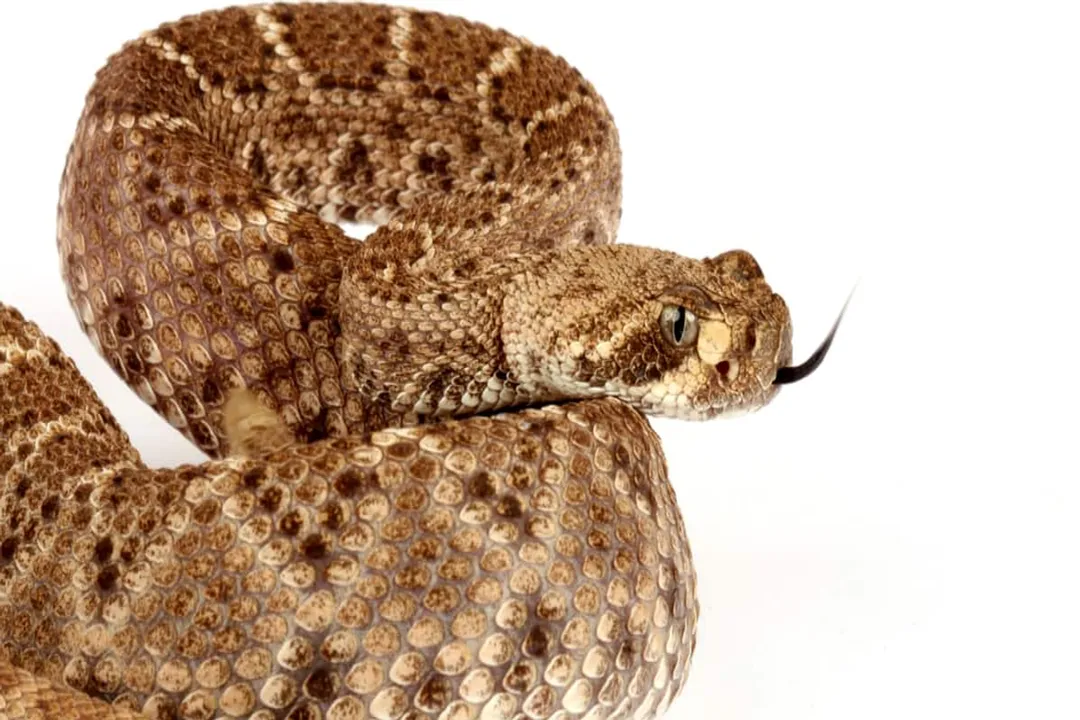
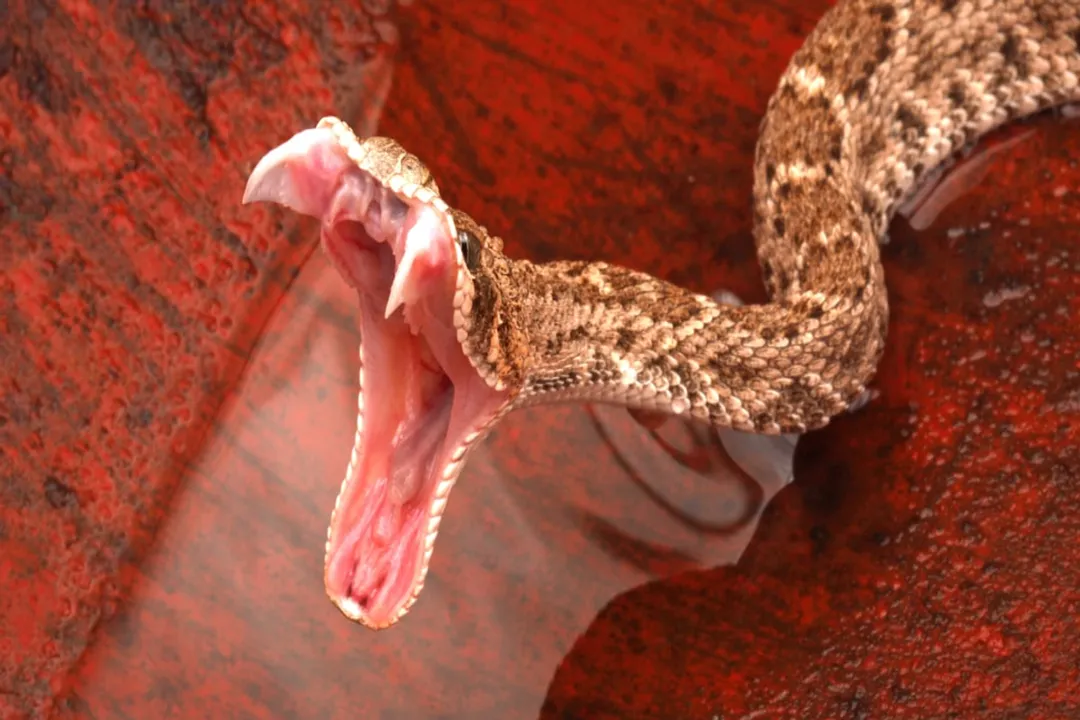
Moving down, the Family Viperidae is where the Western Diamondback gains its most dangerous attribute: venom delivery via specialized, hinged fangs. This characteristic separates it from other snake families, such as the Colubridae (which includes many non-venomous snakes) or the Elapidae (like cobras and mambas, which have fixed front fangs). The Viperidae family is divided into Old World vipers and the New World pit vipers, or Crotalinae.
The evolutionary split that defines the subfamily Crotalinae is the development of the loreal pit, a visible opening located between the eye and the nostril on each side of the head. This pit is a highly specialized thermoreceptive organ, allowing the snake to "see" the infrared radiation emitted by warm-blooded prey, even in total darkness. This adaptation is a massive advantage for nocturnal ambush predators like the Western Diamondback, which relies heavily on stealth and precise strikes against mammalian rodents.
It’s worth noting that while the classification is straightforwardly accepted, the sheer diversity within Crotalinae across the Americas means that geographical distribution plays a significant role in distinguishing species. For instance, while the Western Diamondback (C. atrox) dominates the Southwestern US and Northern Mexico, its close relatives, like the Eastern Diamondback (C. adamanteus), occupy completely different biogeographic realms.
# Genus Crotalus
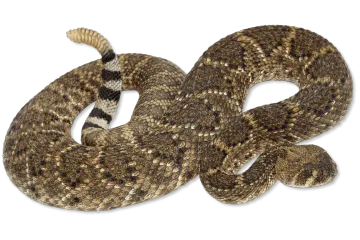
The genus Crotalus specifically designates the rattlesnakes—snakes unique to the Americas characterized by the interlocking keratinous segments at the tail tip that produce the characteristic warning rattle. The genus name itself, Crotalus, derives from the Greek word krotalon, meaning "a clapper or rattle". This morphological feature is perhaps the most famous aspect of the snake, acting as an aposematic signal—a warning of potential danger.
The genus Crotalus contains many recognized species, and taxonomy within this group has seen revisions over the years as genetic sequencing reveals closer or more distant relationships. However, C. atrox remains consistently placed within this genus due to the presence of the rattle, the specific structure of its venom, and its general cranial morphology. Considering the geographical context where this snake thrives—primarily the arid and semi-arid regions of the United States and Mexico—its classification within Crotalus firmly places it among species adapted to desert, scrubland, and rocky habitats across the Nearctic region. The adaptations required for survival in these harsh North American environments (e.g., physiological tolerance for temperature fluctuation) are subtly encoded within its placement here, differentiating it from pit vipers found further south in the Neotropics.
# Species Crotalus atrox
The final step in the classification is the specific epithet, atrox, which combines with the genus name to form the binomial nomenclature Crotalus atrox. The term atrox is Latin, often translated to mean "cruel," "savage," or "fierce," a name likely assigned based on the potent hemotoxic venom and the snake’s defensive display, which can include a prolonged rattling warning before striking. This name succinctly captures the perception of the snake, even if modern ecological study reveals it acts primarily as a predator of rodents rather than an aggressive hunter of humans.
The specific attributes that define C. atrox as a distinct species involve a combination of morphology, venom composition, and reproductive isolation from other Crotalus species. Key identifiers often include the pattern of dark, diamond-shaped markings running down the back, often bordered by lighter scales, and the number of ventral scales or rattle segments, although these features can sometimes overlap with closely related species.
For instance, while the Eastern Diamondback Rattlesnake (C. adamanteus) shares the genus and the diamond pattern, C. atrox is generally smaller, possesses a different scale count, and has a distribution heavily concentrated in the southwestern United States, extending into northern Mexico. The specific shape and color of the diamonds—being darker centrally with lighter borders—are characteristic of atrox when contrasted against its relatives.
# Naming Consistency and Status
The stability of a scientific name is crucial for global biological communication, particularly concerning species that pose public health concerns or are subject to conservation monitoring. The United States Fish and Wildlife Service recognizes Crotalus atrox as the official designation for this widely distributed pit viper. NatureServe, which tracks the conservation status of species globally and sub-nationally, utilizes this exact scientific nomenclature to assess its health across its range, listing it generally as G5 (Secure) globally, though local statuses can vary significantly.
This global security assessment provides an interesting counterpoint to the "fierce" connotation of its species name. Although C. atrox is venomous and commands respect, its broad distribution across multiple habitat types—from deserts and prairies to rocky foothills—suggests a high degree of ecological adaptability. This successful adaptation helps maintain stable populations, preventing the need for critically endangered listings, even as human development fragments some of its prime territories.
# Decoding the Nomenclature
When we look closely at the structure of the binomial name, we see a reflection of how scientists group life. The placement into Kingdom Animalia and Phylum Chordata is shared with everything from earthworms to blue whales; it simply means it is a multicellular, motile organism with a spinal column. The true biological meaning becomes concentrated further down the line.
Consider the implications of the family Viperidae. This places C. atrox in a group characterized by hemotoxic venom—venom that primarily attacks tissues and blood clotting mechanisms. While some elapids rely on neurotoxins, the classification into Viperidae immediately informs emergency medical personnel, researchers, and even laypersons about the type of threat they are dealing with, even before knowing the exact species. The specific venom profile of C. atrox contains significant enzymes that cause local tissue destruction, distinguishing it even within the Viperidae family from, say, some Old World vipers whose venoms might be more purely neurotoxic.
Furthermore, the placement within the New World Pit Vipers (Crotalinae) signals the presence of the heat-sensing organs. This is more than just an anatomical footnote; it dictates hunting strategy. A snake relying on pits like C. atrox can accurately strike hidden prey, meaning that in an encounter, the snake is often reacting defensively only after being surprised or threatened, rather than actively tracking a person as visible heat signature, which is sometimes a misconception based purely on the capabilities of the pit organ.
# Range Context and Classification
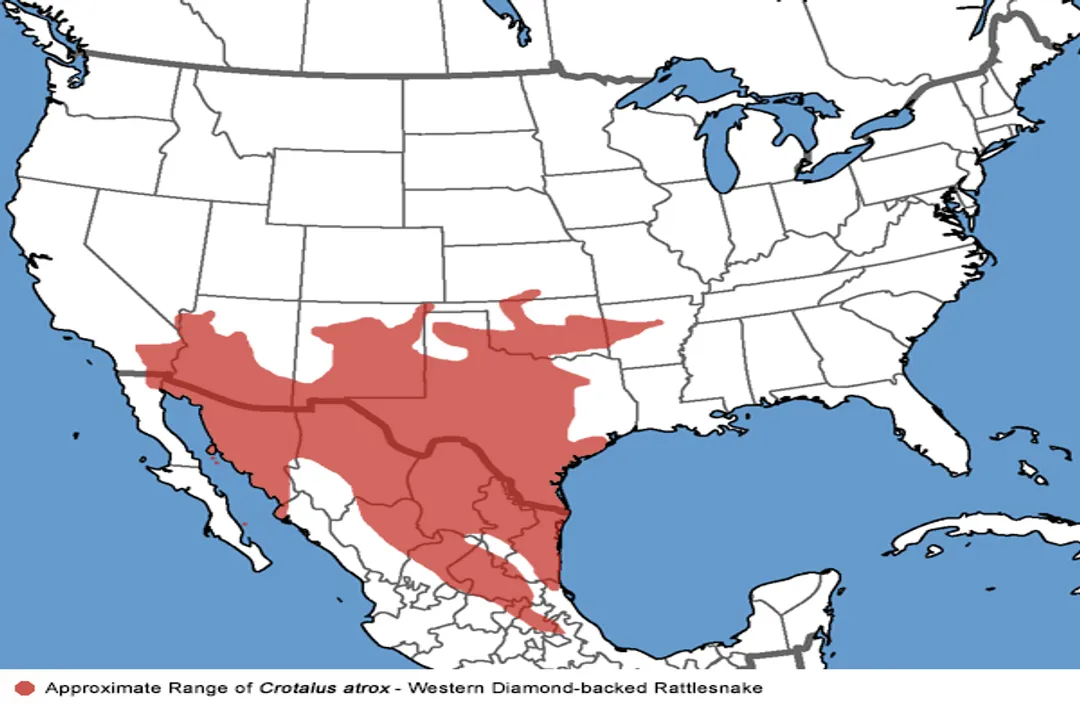
The geographical extent of the Western Diamondback Rattlesnake directly influences how its classification is observed in practice. Found predominantly in the southwestern United States (states like Texas, Arizona, New Mexico, and California) and extending into northern Mexico, its environment is varied, ranging from open desert scrubland to brushy grasslands and rocky areas.
If one were to compare C. atrox with the Mojave Rattlesnake (Crotalus scutulatus), which shares some overlap in range, the classification difference at the species level becomes critical. While both are Crotalus and both are Crotalines, the Mojave’s venom profile includes potent neurotoxins alongside the typical hemotoxins, a difference that is taxonomically rooted in genetic divergence that dictates biochemical output. Therefore, simply identifying a snake as Crotalus is insufficient; the species-level designation atrox is required to accurately predict its primary biological effects and ecological role within that specific North American ecosystem.
The fact that sources like the Nevada Department of Wildlife document this species indicates its relevance within state-specific ecological management frameworks, where a consistent scientific name is paramount for tracking population health and human-wildlife conflict reports across jurisdictional lines.
In essence, the scientific classification of Crotalus atrox acts as a universal key. It unlocks a standardized expectation regarding its venom type (Viperidae), its sensory apparatus (Crotalinae), its unique tail feature (Crotalus genus), and its specific suite of morphological and behavioral traits (the atrox species designation). This rigorous, hierarchical naming structure ensures that a herpetologist in Texas and a toxicologist in Germany can communicate with absolute precision about this significant North American reptile.
Related Questions
#Citations
Crotalus atrox - NatureServe Explorer
Western Diamondback Rattlesnake (Crotalus atrox)
Crotalus atrox (Western Diamond-backed Rattlesnake)
Western Diamondback Rattlesnake - Nevada Department of Wildlife
western diamondback rattlesnake (Crotalus atrox - Insect Images
Western Diamond-backed Rattlesnake - Crotalus atrox
Western diamondback rattlesnake | Description, Range, Diet, & Facts
Zoopedia: Western Diamondback Rattlesnake
Western Diamondback Rattlesnake Animal Facts - Crotalus atrox