Western Rattlesnake (Northern Pacific Rattlesnake) Diet
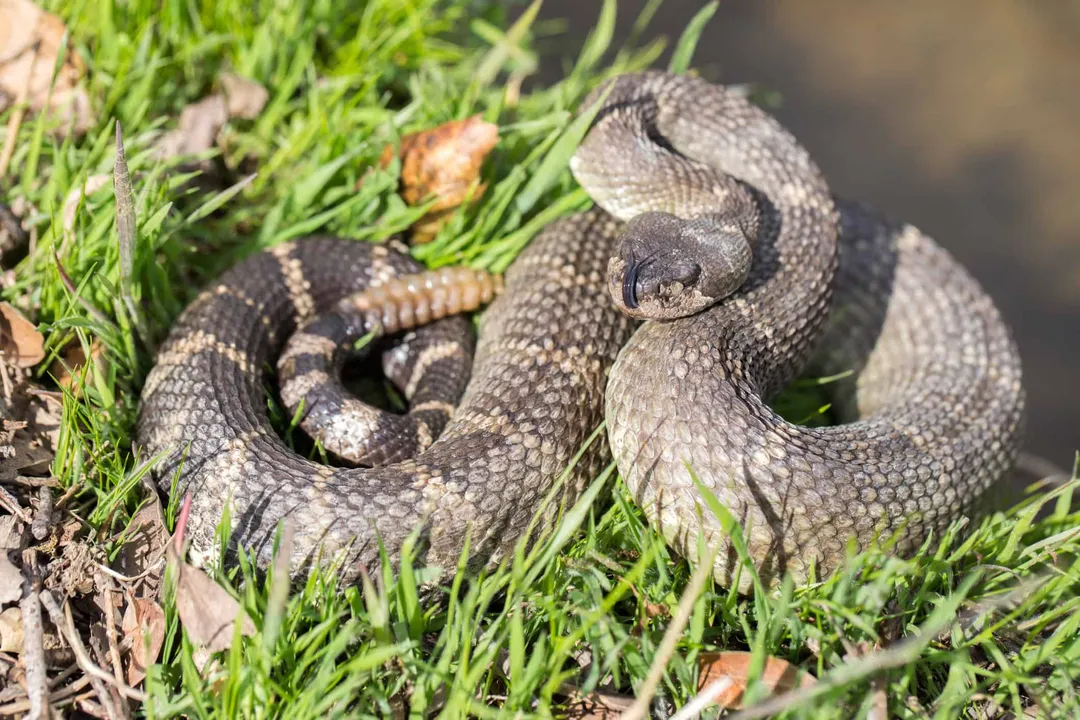
The Western Rattlesnake, often recognized by its northern moniker, the Northern Pacific Rattlesnake (Crotalus oreganus), maintains a diet that is both specialized and remarkably adaptable to its environment. [1] This predator’s menu is heavily weighted toward warm-blooded prey, but its exact consumption profile shifts based on the snake’s age, size, and the specific habitat it occupies across its wide range. [6][8]
# Rodent Staple
The foundation of the adult Western Rattlesnake's diet is unequivocally small mammals. [2][3][7][9] These are the most energetically rewarding and consistent food source available across most of their distribution, from British Columbia down through the Western United States. [8] Common targets include various species of mice, such as deer mice, as well as voles, gophers, and rats. [2][3][7][9] In certain regions, larger prey items like ground squirrels are readily incorporated into their intake. [2][8]
When researchers examine stomach contents or conduct detailed feeding surveys, the dominance of these small, furry creatures becomes very apparent. [6] For instance, in California studies, rodents like kangaroo rats and various mice represented the bulk of the caloric intake for mature snakes. [6] This reliance on mammals means the snake is typically found where rodent populations are stable, making them highly effective local regulators of these populations. [7]
# Prey Spectrum Shift
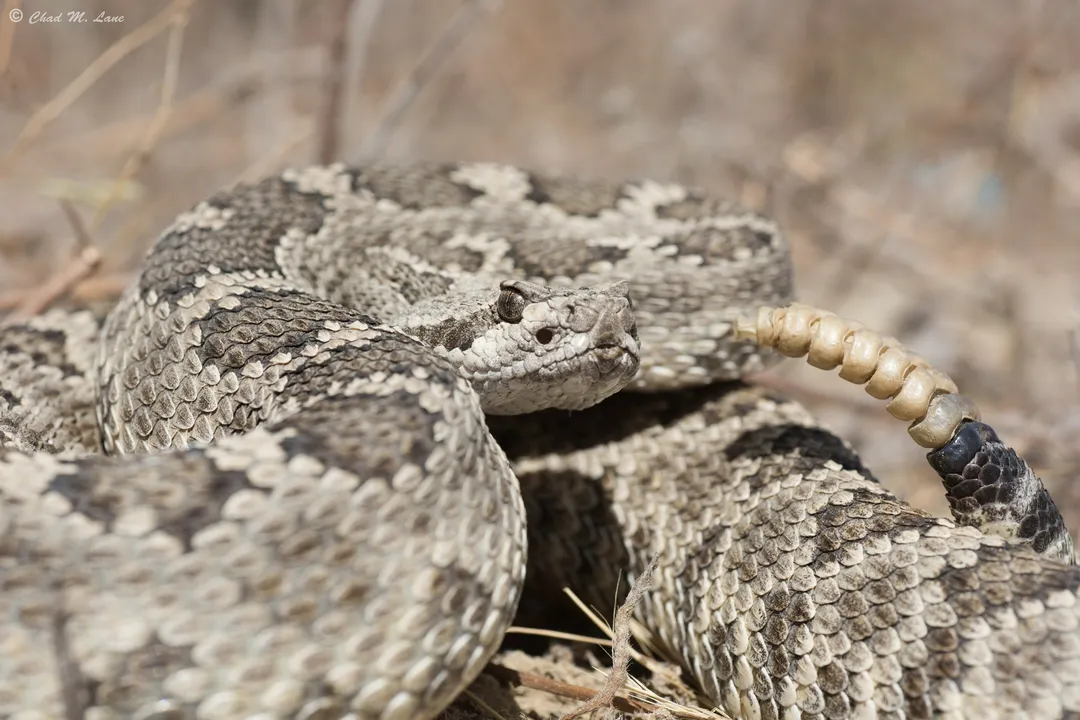
While large rodents dominate the adult menu, the diet of younger, smaller rattlesnakes follows a distinct pattern, illustrating a classic example of ontogenetic dietary change in reptiles. [1] Juvenile snakes are not yet large enough, or perhaps skilled enough, to consistently subdue larger, more powerful adult rodents. [1] Consequently, their initial feeding efforts are often concentrated on smaller, less threatening ectotherms. [1]
Younger C. oreganus have a higher propensity for consuming lizards. [1][3][9] Anecdotal observations often confirm this, noting juveniles successfully capturing and consuming lizards near human dwellings. [5] In areas where lizards are abundant, they form a critical bridging food source until the young snake grows large enough to effectively hunt mice and voles. [2] Beyond reptiles, both young and adult snakes will occasionally take advantage of slow-moving birds or their eggs, particularly ground-nesting species, and sometimes even small amphibians if the opportunity arises. [1][2][3][8] However, it is important to note that the inclusion of birds and amphibians is generally opportunistic rather than a dietary cornerstone when compared to mammalian prey. [6]
If you are trying to understand why a rattlesnake might be frequenting a specific area of your property, considering the age class matters. A young snake may be hunting near a brush pile where lizards sun themselves, whereas an adult is more likely to be near a known rodent burrow system or grain storage area. [7] Understanding this age-related shift allows for a more nuanced approach to habitat management around homes.
# Geographic Variation
The precise composition of the Western Rattlesnake’s meal plan is far from static; it varies significantly depending on the local ecology and the available resources at different times of the year. [6] The snake is not bound by a single recipe but rather adheres to a flexible set of hunting preferences dictated by local abundance. [1]
For example, the documented diet in the drier, inland regions of California might heavily feature kangaroo rats, a prey item less commonly cited in the drier, cooler habitats of British Columbia. [6][8] Similarly, the availability of ground-nesting birds or specific lizard species dictates the frequency with which they appear on the menu in the Pacific Northwest versus southern habitats. [8] This inherent flexibility is a key factor in the species' success across diverse environments. [1]
One striking comparison that emerges from regional data involves seasonal shifts. While mammalian prey might be sought year-round, certain prey types might only be available seasonally. For instance, small nesting birds are only viable prey during the spring and early summer nesting season, whereas rodents remain available even during cooler months, albeit potentially less active. [6] This responsiveness to seasonal availability prevents the snake from becoming entirely dependent on any single, transient food source.
# Pest Control Value
Given their specialization in consuming small mammals, the Western Rattlesnake holds an essential, though often feared, position in maintaining ecological balance within its ecosystem. [7] The sheer volume of prey a single snake can consume over a year highlights its role as a natural rodent control agent. [7]
Consider that a moderately sized adult rattlesnake might consume several dozen small mammals annually, depending on environmental conditions and the snake’s own metabolic needs. [7] Extrapolating this across a local population suggests that these snakes significantly reduce the numbers of mice, voles, and gophers that could otherwise cause agricultural damage, destroy property foundations, or increase the spread of rodent-borne diseases. [7] This ecological service is particularly noteworthy in agricultural or semi-urban interfaces where rodent control is often a management concern. [7]
It is insightful to recognize that by preying heavily on rodents, C. oreganus is essentially performing free, targeted pest management within its territory. This perspective shift—viewing the snake as a predator of pests rather than just a danger to humans—is crucial for local conservation efforts. [2] When rattlesnakes are removed from an area, the pressure on local rodent populations is released, which can sometimes lead to noticeable increases in pest numbers shortly thereafter. [7]

# Hunting Strategy
The primary method of securing a meal involves ambush predation. [1] The snake remains motionless, often concealed, relying on its cryptic coloration to blend into the substrate—whether leaf litter, rock outcroppings, or dry grass. [1] Once an appropriate-sized mammal or bird wanders within striking distance, the snake uses its venom to quickly subdue the prey. [1]
Following a successful strike, the snake typically releases the prey and then tracks it using thermal and chemosensory cues, eventually swallowing the animal whole once it succumbs to the venom. [1] This strategy minimizes the risk of injury to the snake that a prolonged struggle might entail, especially with larger prey items like squirrels. [6] Furthermore, the digestion process is slow, meaning that after consuming a substantial meal, the snake may enter a prolonged period of inactivity, sometimes for several weeks, while it processes the energy from its meal. [1] This extended fasting period is directly linked to the slow metabolism typical of ectotherms. [1]
Related Questions
#Citations
Crotalus oreganus - Wikipedia
Northern Pacific Rattlesnake
Western Rattlesnake - Facts, Diet, Habitat & Pictures on Animalia.bio
Rattlesnakes in California: Habitat, Diet, and Behavior - Facebook
Juvenile Northern Pacific Rattlesnake? [Auburn, CA] : r/whatsthissnake
Diet of the northern Pacific rattlesnake (Crotalus o. oreganus) in ...
Rattlesnakes - UC IPM
[PDF] WESTERN RATTLESNAKE - Ministry of Environment and Parks
Western Rattlesnake (Northern Pacific Rattlesnake) - A-Z Animals