Western Diamondback Rattlesnake Diet
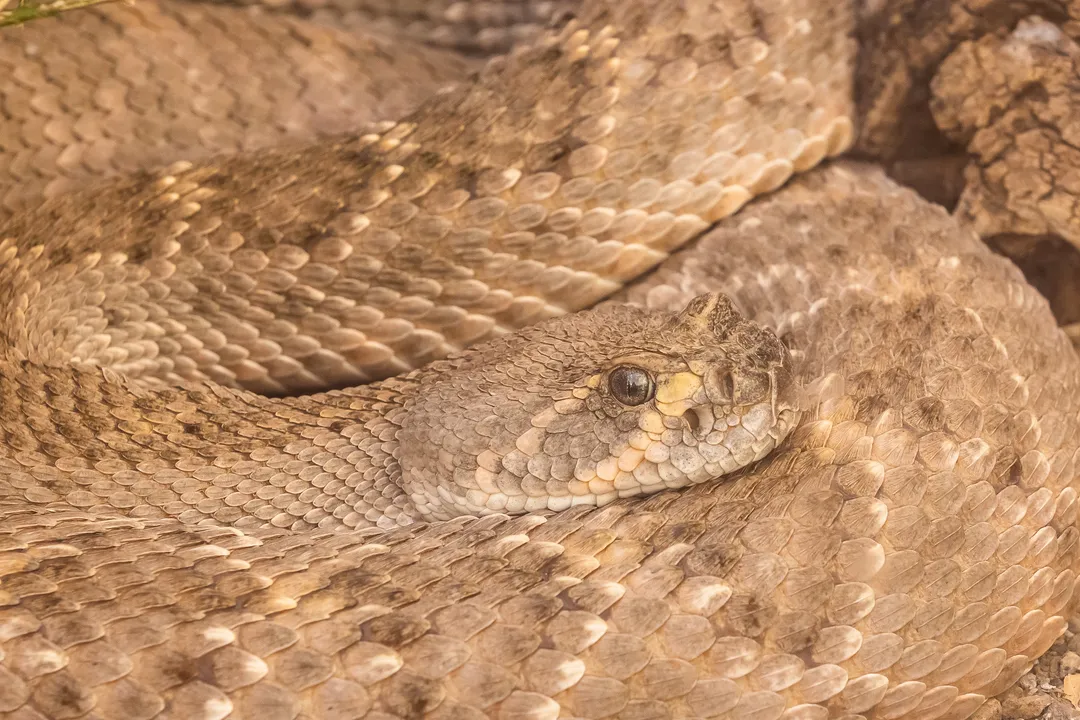
The Western Diamondback Rattlesnake, Crotalus atrox, maintains its position as a key predator across the arid landscapes of the Southwestern United States and Mexico, but its dining habits reveal a creature far more adaptable than its fearsome reputation might suggest. While most observers associate this large viper primarily with hunting desert rodents, a closer look at its diet shows a broad appetite that shifts based on age, availability, and even the season. For general readers interested in this iconic reptile, understanding what sustains it helps explain its remarkable success in tough environments.
# Prey Staples
The foundation of the Western Diamondback’s caloric intake is overwhelmingly mammalian. In many regions, small mammals constitute the bulk of their diet by mass. A comprehensive study conducted in Texas on this species found that small mammals accounted for an astounding 94.8% of the total prey weight consumed. This preference points to the snake’s specialized hunting adaptations targeting warm-blooded, relatively dense prey items.
Within this mammalian category, the variety is substantial, suggesting the snake capitalizes on whatever small, burrowing, or ground-dwelling creatures are most abundant in its immediate territory. Common targets include various mice and rats, such as woodrats, harvest mice, and Old World rats and mice. Beyond the common critters, the menu features:
- Ground Squirrels and Chipmunks: Common small prey found across their range.
- Gophers: Specific species like pocket gophers are noted dietary components.
- Lagomorphs: Rabbits, including the desert cottontail (Sylvilagus floridanus), are frequently taken by adults, and large specimens are reputedly capable of consuming adult jackrabbits.
This reliance on mammals, which are often nocturnal or crepuscular, aligns perfectly with the snake’s own heightened activity periods during the cooler hours of the day and night.
# Dietary Breadth
While mammals dominate the nutritional profile, the Western Diamondback is not exclusively a carnivore specializing in furred prey; it consumes a wider array of vertebrates, though typically constituting a smaller portion of the overall intake. This broader intake is particularly pronounced among younger individuals. Juvenile snakes often focus more heavily on smaller prey items like lizards.
The secondary food sources documented across their extensive range include:
- Birds: Ground-dwelling birds are taken when accessible. Specific examples include quail, burrowing owls, mockingbirds, and meadowlarks.
- Reptiles: Various lizards are consumed, such as whiptail lizards and spiny lizards. One unusual account even noted a juvenile attempting to ingest a horned lizard, though the attempt proved fatal for the snake.
- Aquatic Life: Even fish have been documented as part of the diet in some areas.
- Amphibians: Toads have also been noted as prey items.
Interestingly, stomach content analysis has sometimes revealed insects, such as grasshoppers, beetles, and ants. However, researchers often speculate that these invertebrates were likely consumed second-hand, having been eaten by the snake’s primary mammalian or reptilian victims shortly before the predator struck. Despite this potential for scavenging insects, Crotalus atrox is categorized as both a carnivore and occasionally a scavenger.
One way to consider the scope of their feeding is to look at the sheer size difference between predator and meal. These snakes are known to strike and successfully consume prey animals that, based on weight, actually exceed the snake’s own body mass. This remarkable feat speaks to the efficiency of their venom in rapidly subduing large, struggling victims.

# Hunting Tactics
The method by which the Western Diamondback secures its meals is crucial to its dietary success, relying heavily on stealth and specialized sensory input. Like many rattlesnakes, they are considered ambush predators. They do not typically chase prey over long distances; rather, they wait for an opportunity.
A critical tool in this predatory approach is their loreal pit, a heat-sensing organ located between the eye and nostril. This mechanism allows the snake to perceive minute differences in ambient temperature, effectively enabling them to "see" the heat signature of warm-blooded prey, even in darkness. This thermal vision is what allows them to hunt effectively when they are primarily nocturnal, which is common during the intense heat of the summer months. They might wait along known trails or approach the entrance to a burrow, striking with blinding speed when a target wanders into range.
The strike itself is incredibly fast, occurring in less than a second. Once the strike is delivered and venom injected, the snake usually releases the prey, allowing the venom to take effect before attempting consumption. The venom, primarily hemotoxic, works to disable the prey by destroying blood vessels and cells, aiding in immobilization and preliminary digestion.
# Feeding Intervals
The timing of meals for the Western Diamondback in the wild reflects an adaptation to environments where food sources are not always readily available. On average, wild rattlesnakes of this species eat only about once every two to three weeks.
However, their capacity for fasting is extreme. They possess the physiological ability to survive for prolonged periods without any food intake, sometimes lasting up to two years without eating. This long-term survival hinges on remarkable metabolic downregulation.
This brings us to a significant aspect of their physiological ecology. When faced with such extended periods of starvation—studies noted snakes surviving for months without food—they drastically reduce their energy expenditure, lowering metabolic rates by as much as 70 percent. The most fascinating aspect of this is that, even while shrinking in overall mass due to resource utilization, the snake continues to allocate resources toward essential structures. Research indicates that during these long fasts, the animal grows longer, prioritizing the maintenance and growth of skeletal muscle and bone mass over mere body bulk. This suggests a survival mechanism focused on preserving the tools required for future successful hunting, rather than just fat reserves.
This metabolic strategy contrasts with the feeding habits observed in captivity, where food is provided on a consistent schedule. For instance, snakes in zoological care, such as those at ZooAmerica, receive meals of rodents and rabbits on a set regimen, which is necessary for managed health but does not reflect the feast-or-famine reality of the desert.
# Contextual Feeding
The Western Diamondback’s diet is not static; it shifts across its geographical range, which spans diverse habitats from flat coastal plains to high rocky canyons. This adaptability in diet is reflected in its classification as a generalist regarding habitat, which naturally requires flexibility in sustenance.
For example, while mammals dominate the diet in many areas, the specific composition will vary based on local ecology. A snake in a more scrub-heavy area might encounter different rodent species than one near a riparian zone. Furthermore, the developmental stage dictates intake: young snakes clearly favor smaller prey like lizards, whereas large adults are equipped to handle rabbits and even larger mammals. This scaling of prey size means the snake occupies multiple niches throughout its lifespan.
It is also worth noting the relationship between the snake's physiological state and its hunting effectiveness. When environmental temperatures allow the snake to be warmer—not excessively hot, but optimally warm—its strike speed is faster, and its venom yield is greater, leading to more effective predation opportunities. This means that the seasonal availability of prey coincides with the snake's peak predatory capability.
The successful consumption of prey, even heavier prey, relies on a highly efficient digestive system coupled with potent venom. The venom itself is primarily hemotoxic, but it contains components that induce myonecrosis, or skeletal muscle damage, which helps subdue and break down the tissues of the consumed animal. This combination ensures that even after a successful ambush, the energy investment required to subdue and digest the meal is minimized, allowing the predator to return to its energy-saving, low-activity state quickly.
Related Questions
#Citations
Western Diamondback Rattlesnake
Western Diamondback Rattlesnake Facts
Western Diamondback Rattlesnake - Facts, Diet, Habitat & ...
Western Diamondback Rattlesnake
Western diamondback rattlesnake
Western Diamondback Rattlesnake
Western Diamondback Rattlesnake