Western Rattlesnake (Northern Pacific Rattlesnake) Facts
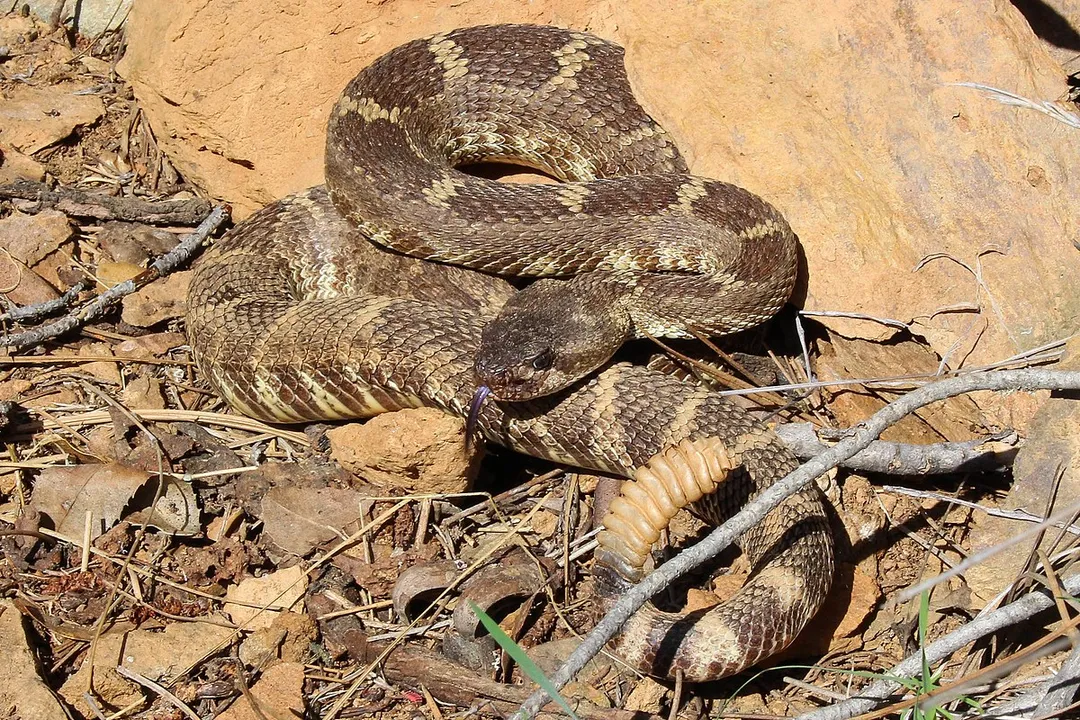
The Western Rattlesnake, scientifically recognized as Crotalus oreganus, represents a significant and often misunderstood reptile across western North America. [1] Depending on the specific region, it may be more narrowly identified as the Northern Pacific Rattlesnake, a designation particularly relevant in the Pacific Northwest. [3] This pit viper holds the distinction of being the only venomous snake found in states like Washington, commanding both respect and caution from human residents. [8] Understanding this animal requires looking past the fear often associated with rattlesnakes to appreciate its ecology and specific survival strategies within diverse ecosystems. [2][5]
# Names Geography
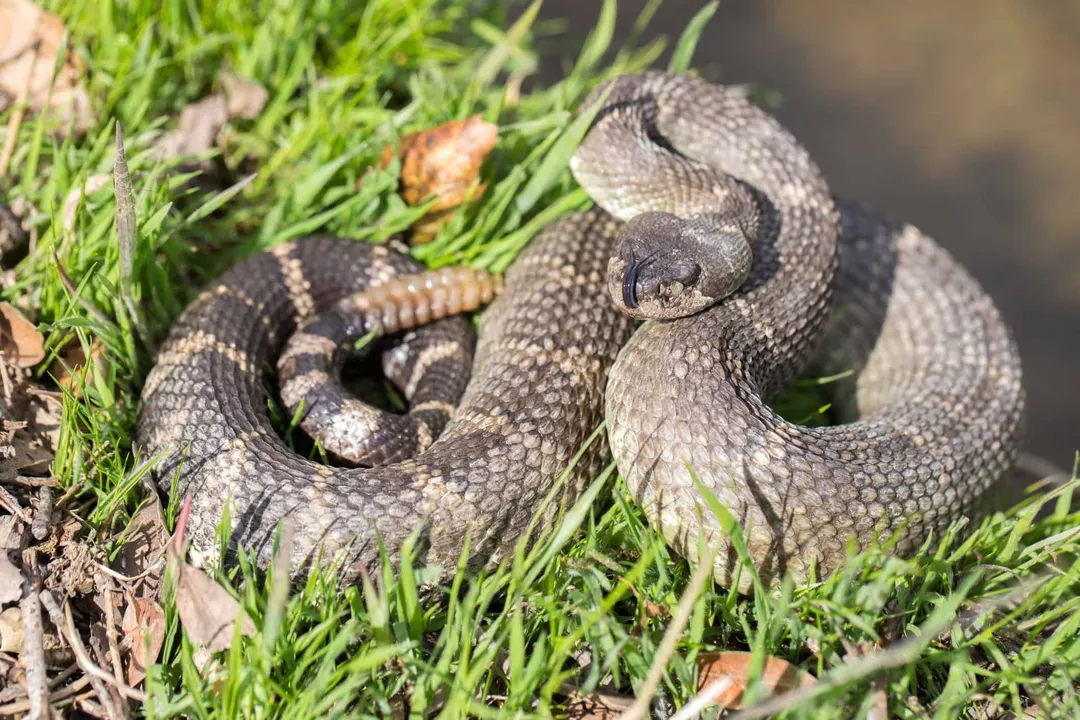
The taxonomy of Crotalus oreganus is somewhat complex, as the name itself often covers a group of subspecies distributed widely across the continent. [1] Its range stretches from the Baja California peninsula in Mexico northwards through the western United States and into southwestern Canada. [1][6] Specific subspecies, such as Crotalus oreganus oreganus, are found in areas like the Pacific coast regions of California. [7] While the name "Western Rattlesnake" is a broad umbrella, the Northern Pacific Rattlesnake specifically refers to populations inhabiting regions like Washington and Oregon. [3] This wide distribution means that while core traits remain consistent, local populations can exhibit variation in size, color intensity, and preferred habitat features. [1][6]
# Look Behavior
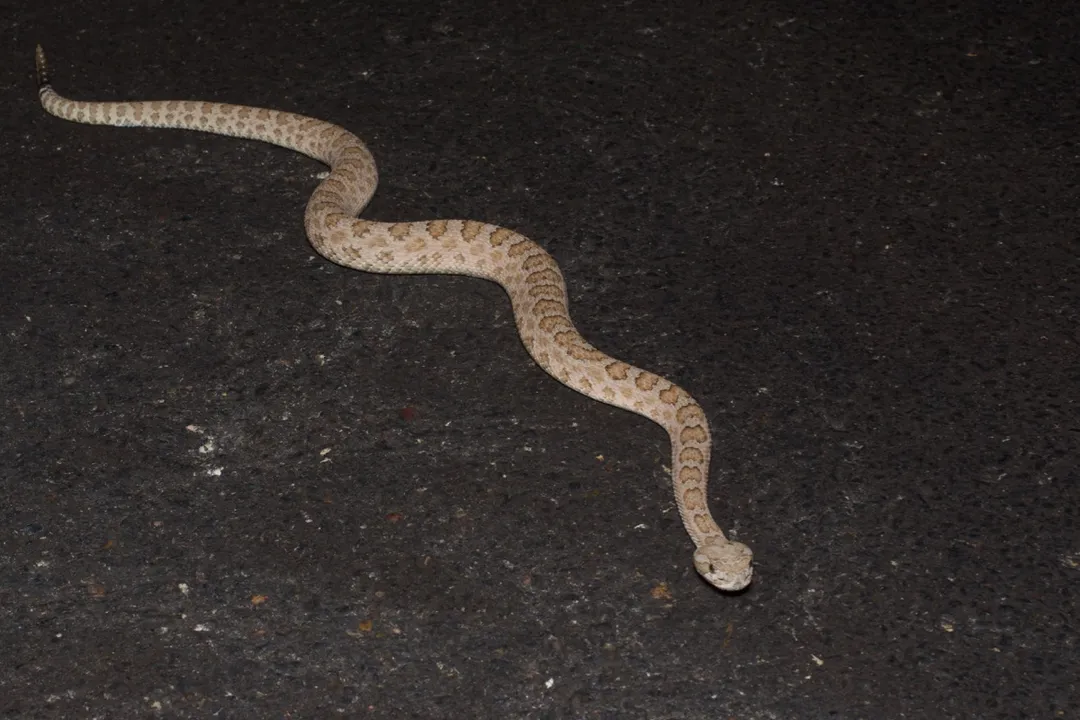
Visually, Crotalus oreganus varies considerably, often relying on camouflage to avoid detection. [2] Their base coloration typically ranges from brown, gray, or tan, which allows them to blend effectively into dry grasses, rocky outcrops, or leaf litter. [6] A key identifying feature across many populations is the presence of darker, often somewhat chevron-shaped or diamond-shaped markings running down the center of their back, contrasted by lighter bands along the sides. [7] They possess the hallmark characteristics of pit vipers: broad, triangular heads that appear distinctly wider than the neck, and heat-sensing pits located between the eye and the nostril. [2][6] As they age, the tail terminates in the familiar rattle, a structure composed of interlocking keratin segments that buzzes when vibrated as a warning signal. [2]
While many non-venomous snakes in the Western US might possess a generalized brown or gray coloring, the combination of the distinct head shape, the presence of loreal pits, and the unambiguous rattle segment apparatus provides a reliable means of identification for the public. These snakes are generally not aggressive unless provoked, employing the rattle as their primary, long-distance defense mechanism to warn away potential threats before resorting to striking. [5]
# Home Territory
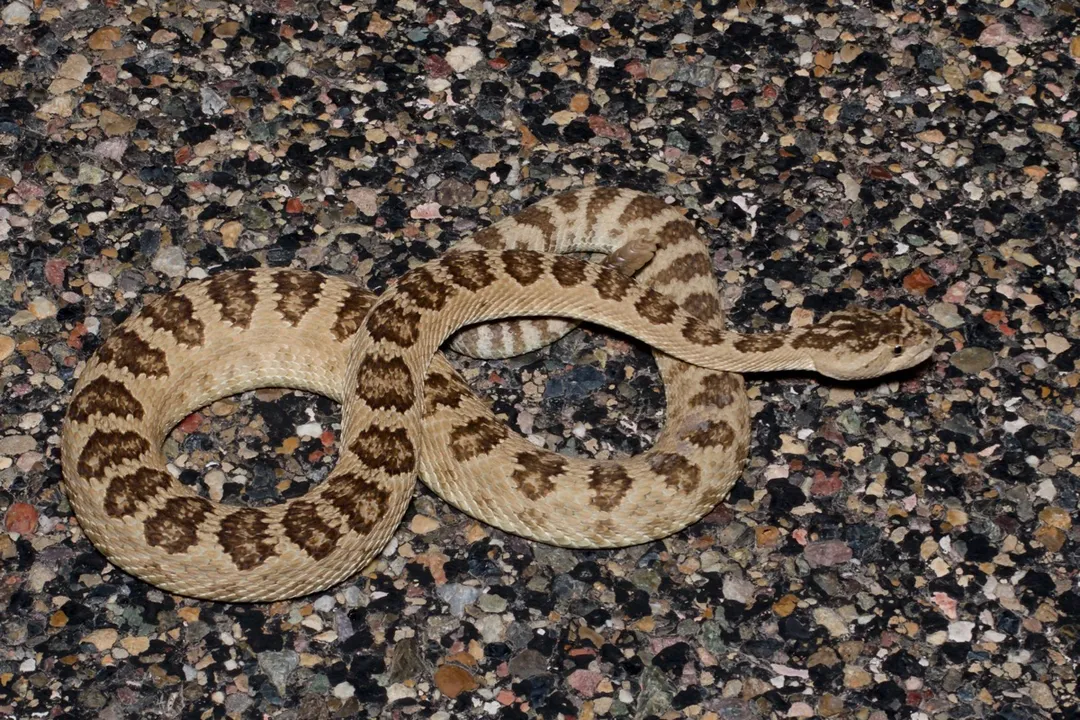
The Northern Pacific Rattlesnake is adaptable, thriving in a variety of environments, provided they offer adequate opportunities for basking and nearby rodent populations. [2] In Washington, for example, they favor dry, sunny, open areas, often utilizing rocky hillsides, bluffs, and fragmented oak woodlands. [3][8] These snakes rely on rock crevices, abandoned mammal burrows, or dense vegetation for shelter from extreme weather or predators. [3] Their presence is often closely linked to the availability of their primary prey sources, such as ground squirrels and mice, frequently inhabiting the edges of these prey colonies. [2] During the colder months, they enter a state of brumation, seeking communal dens, sometimes in rock outcrops or underground structures, to survive the winter. [1]
# Eating Habits
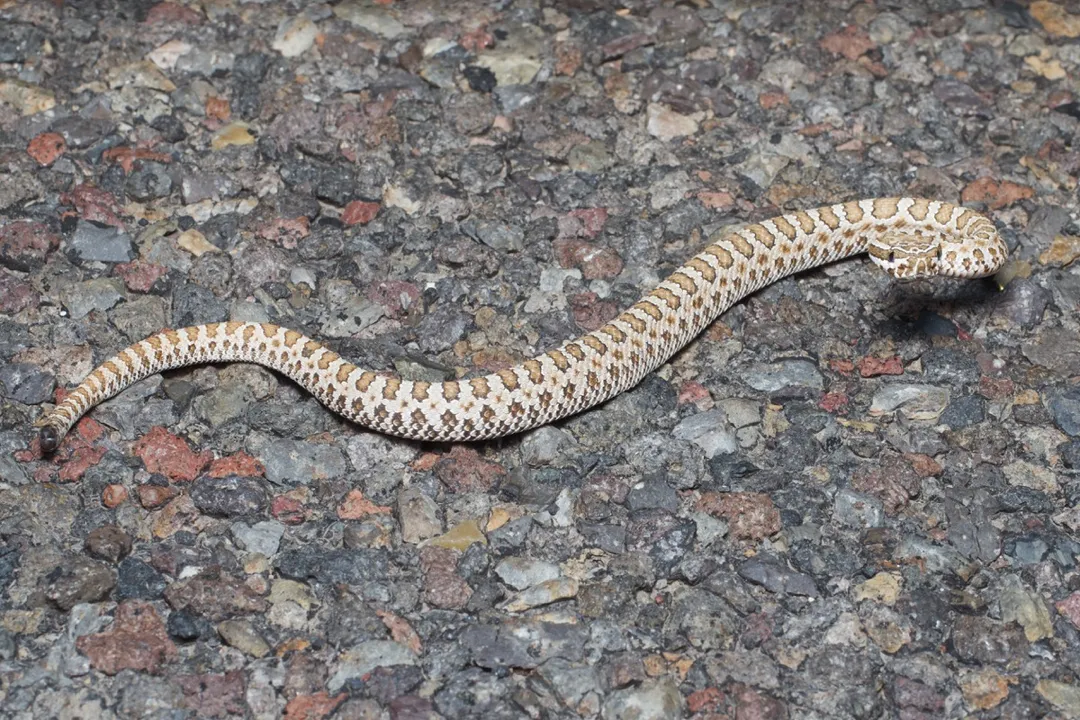
These snakes are carnivorous predators that primarily rely on stealth and ambush tactics. [1] Their diet is heavily skewed toward small mammals. This includes various species of mice, ground squirrels, pocket gophers, and sometimes lizards or birds. [2] Once prey is detected, often through movement or heat signature, the snake strikes with incredible speed, injecting venom to quickly incapacitate the meal. [1] The venom not only kills or immobilizes the prey but also begins the digestive process externally. [1] Once the prey stops struggling, the rattlesnake uses its heat-sensing pits to track the now-motionless meal before swallowing it whole. [6]
# Venom Danger
As a member of the Crotalus genus, C. oreganus possesses venom that is predominantly hemotoxic, meaning it targets and destroys red blood cells and blood vessels, causing significant local tissue damage. [1][5] While this venom is highly effective against the snake's small mammalian prey, it is the primary danger it poses to humans. [1] Bites almost always occur when the snake is surprised, stepped on, or intentionally harassed; they do not actively hunt humans. [5]
While the venom is potent, it is important to contextualize the actual risk. A defensive strike against a large mammal like a human may result in a much smaller venom yield than what is used for prey capture, sometimes resulting in a "dry bite"—a strike with no venom injection. [5] Even so, any bite from a confirmed venomous snake requires immediate medical attention due to the potential for severe local effects and systemic envenomation. [5]
# Reproduction Cycles
Unlike many reptile species that lay eggs, the Western Rattlesnake, and specifically the Northern Pacific Rattlesnake, gives birth to live young, a characteristic known as being viviparous. [1] The female retains the developing embryos internally until they are ready to emerge, offering protection during the vulnerable early stages of development. [1] Gestation periods vary depending on environmental temperatures, but the young are typically born late in the summer or early fall. [1] Litter sizes can range widely, often involving several newborns. [1] These neonates are fully independent upon birth, possessing their own venom and small fangs, and immediately begin seeking small prey like lizards or tiny rodents, though they too will hibernate with the adults when cold weather sets in. [1]
# Status Protection
The conservation status of Crotalus oreganus at a broad level is generally stable. NatureServe assigns the global status as G5, indicating that the species is secure and common worldwide. [4] However, this broad assessment does not always reflect the situation on the ground in every specific state or county. [3] For instance, in Washington State, the Northern Pacific Rattlesnake is listed as a Species of Special Concern, reflecting localized threats such as habitat loss and fragmentation, making conservation efforts particularly important within that jurisdiction. [3] Recognizing their protected status in certain areas means that disturbance or harm to individuals should be strictly avoided. [5]
# Safety Respect
Encountering this rattlesnake in the wild calls for a calm, respectful response rather than panic. [5] The absolute best action to take is to stop moving and carefully assess the situation to locate the snake. [5] If you have disturbed it, slowly back away, giving the snake ample space—a distance of several feet is wise—to allow it to retreat to cover. [5] Never attempt to corner, harass, or handle any rattlesnake, regardless of how docile it may appear or how small the individual is. [5] Always wear appropriate, sturdy footwear when hiking or working in known rattlesnake habitat, as this simple precaution drastically reduces the already small risk of accidental provocation. [5] Keeping dogs leashed and under control in these areas is also a practical step to prevent unfortunate interactions. [5]
Related Questions
#Citations
Crotalus oreganus - Wikipedia
Western Rattlesnake (Northern Pacific Rattlesnake) - A-Z Animals
Western rattlesnake | Washington Department of Fish & Wildlife
Crotalus oreganus - NatureServe Explorer
Northern Pacific Rattlesnake - Mount Diablo Interpretive Association
Western Rattlesnake (Crotalus oreganus) - Wild Herps
Crotalus oreganus - Northern Pacific Rattlesnake - California Herps
The Northern Pacific Rattlesnake only venomous snake in Washington
Western rattlesnake Facts for Kids