What is the taxonomy of the western diamondback rattlesnake?
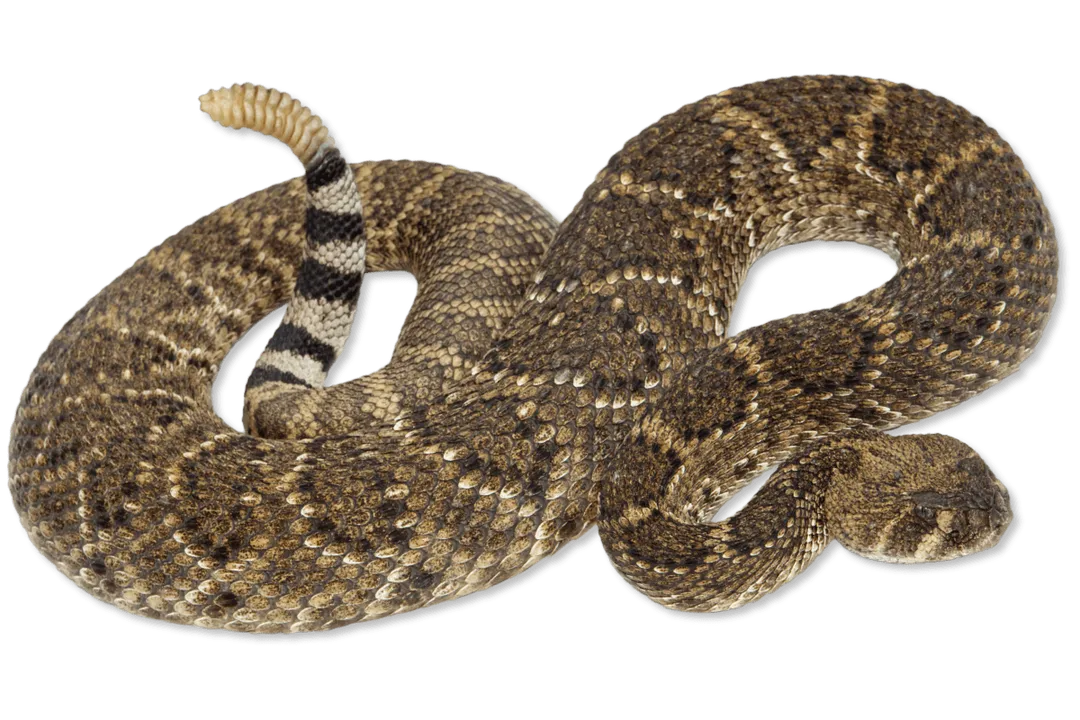
Understanding the placement of the western diamondback rattlesnake, Crotalus atrox, within the vast tree of life involves tracing its lineage through the established system of biological classification. This process, known as taxonomy, gives scientists a standardized way to name and organize every living thing, reflecting evolutionary relationships. The classification moves from the broadest categories down to the most specific, providing a clear structure for this well-known North American reptile.
# Kingdom Animalia
At the very highest level, the western diamondback rattlesnake belongs to the Kingdom Animalia. This placement signifies that it is a multicellular, eukaryotic organism that is heterotrophic, meaning it must consume other organisms for energy, and generally possesses motility at some stage of its life cycle. This kingdom encompasses all creatures, from sponges to humans, establishing the snake as part of the animal domain.
# Phylum Chordata
Moving down one rank, C. atrox is a member of the Phylum Chordata. Organisms in this phylum share a few defining characteristics, most notably a notochord, a dorsal hollow nerve cord, pharyngeal slits, and a post-anal tail at some point during their development. As a snake, the adult western diamondback may lack some of these structures in their primitive form, but they are present in the embryonic stages, confirming its inclusion here.
# Class Reptilia
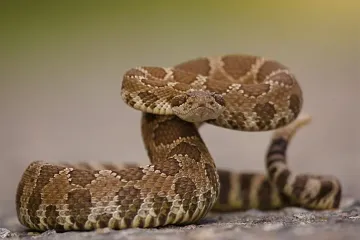
The Class Reptilia is where the snake begins to take a more recognizable shape in our minds. Reptiles are typically characterized by being ectothermic (cold-blooded), possessing scales or scutes, and breathing air using lungs. This class includes snakes, lizards, turtles, crocodiles, and tuataras. The characteristics defining this class are crucial for understanding the snake's physiology and adaptations to its arid and semi-arid environments across its range.
# Order Squamata
Within the reptiles, the Order Squamata is highly significant, as it includes all lizards and snakes. This order is the largest group of reptiles, distinguished by their overlapping keratinous scales. Snakes, including the western diamondback, are limbless lepidosaurs within this order. The specific classification into Squamata immediately separates it from other orders of reptiles, like Crocodylia (crocodiles) or Testudines (turtles).
# Family Viperidae
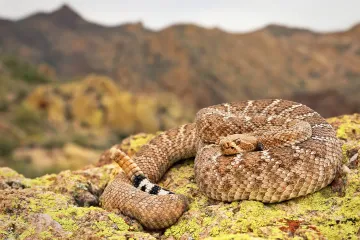
The next level, the Family Viperidae, groups together pit vipers and true vipers. This family membership is perhaps the most important indicator of the snake’s danger potential to humans, as it signifies the presence of specialized venom delivery systems. The term "pit viper" specifically refers to the presence of loreal pits—heat-sensing organs located between the eye and the nostril—a feature shared by Crotalus species. For anyone dealing with identification in areas like Arkansas or California, recognizing the general features of a viperid is the first step toward responsible interaction.
# Genus Crotalus
The genus Crotalus specifically denotes the New World rattlesnakes. Snakes in this genus are uniquely identifiable by the presence of a rattle composed of interlocking keratinous segments at the end of the tail, which they use for defense. Snakes in the genus Crotalus are venomous, differing taxonomically from the genus Sistrurus (pygmy rattlesnakes) or non-rattlesnakes like the Elaphe genus. The genus Crotalus itself is further broken down into numerous species, with the western diamondback being one of the largest and most widespread.
# Species Crotalus atrox
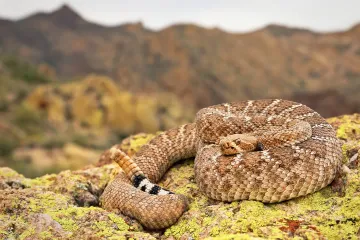
The specific epithet, atrox, completes the binomial nomenclature. The full scientific name, Crotalus atrox, serves as the unique identifier recognized globally by biologists. The term atrox often translates to "fierce" or "cruel," a moniker likely earned due to the species’ potent hemotoxic venom and its large size relative to many other North American pit vipers. While the classification path is fixed, the common name itself—western diamondback rattlesnake—describes its distribution ("western") and the distinctive pattern of its dorsal markings. If you examine the classification IDs provided by databases like PubChem or UniProt, you often see an associated taxonomy ID number, such as 8730, which acts as a unique key for this specific biological entity across different scientific records.
# Hierarchical Summary Table
To visualize this classification structure clearly, here is a summary showing the progression from the broadest group down to the specific species:
| Taxonomic Rank | Group Name | Key Feature / Note |
|---|---|---|
| Kingdom | Animalia | Multicellular, heterotrophic organism |
| Phylum | Chordata | Possesses a notochord during development |
| Class | Reptilia | Ectothermic, scaled vertebrate |
| Order | Squamata | Includes all snakes and lizards |
| Family | Viperidae | Venomous pit vipers |
| Genus | Crotalus | New World rattlesnakes with tail rattles |
| Species | Crotalus atrox | Western Diamondback Rattlesnake |
# Nomenclature Significance
The scientific name is not arbitrary; it reflects descriptive features or historical context, which is true for Crotalus atrox. Considering the snake’s general range—spanning from the southwestern United States down into Northern Mexico—the "western" part of the common name is geographically precise. The Crotalus genus classification is vital because it groups this snake with its close relatives, allowing for comparative studies on ecology and venom composition. It's interesting to note that even within this defined taxonomy, variation exists; field guides often detail subspecies, like C. a. elegans or C. a.மான, which are finer distinctions within the species level but may not always be universally recognized across all taxonomic authorities. Recognizing these subtle differences based on local geography, such as comparing specimens from the drier Chihuahuan Desert versus the more coastal regions, requires an understanding that taxonomy provides the foundation for these detailed regional studies.
# System Implications
The precise taxonomic placement of Crotalus atrox has direct implications for its management and conservation status. For instance, NatureServe classifies the species, which allows for regional assessments of its stability. The fact that it is firmly placed within the Viperidae family, a group that often faces human conflict due to venom, influences how agencies like the U.S. Fish and Wildlife Service might approach its public education and management strategies, even though C. atrox itself is generally listed as Least Concern globally. This broad conservation assessment contrasts sharply with the potential for local protection needs based on habitat fragmentation or high collection rates in specific zones. When you are observing wildlife, knowing the formal classification gives you a standardized reference point, ensuring that when you read a scientific paper about Crotalus atrox in Arkansas, you know precisely which animal is being discussed, regardless of local dialect or common names used in that region. This standardized labeling is an essential safeguard against confusion in biology.
Related Questions
#Citations
Crotalus atrox - NatureServe Explorer
Western Diamondback Rattlesnake (Crotalus atrox)
Crotalus atrox (Western Diamond-backed Rattlesnake)
Crotalus atrox (western diamondback rattlesnake) - PubChem
western diamondback rattlesnake (Crotalus atrox - Insect Images
Western Diamond-backed Rattlesnake - Crotalus atrox
Zoopedia: Western Diamondback Rattlesnake
Crotalus atrox Western Diamond-backed Rattlesnake
Crotalus atrox (Western diamondback rattlesnake) | Taxonomy