Why do nymphal bites represent a major transmission event for tick-borne illnesses in humans?
They are small and often go unnoticed while feeding.
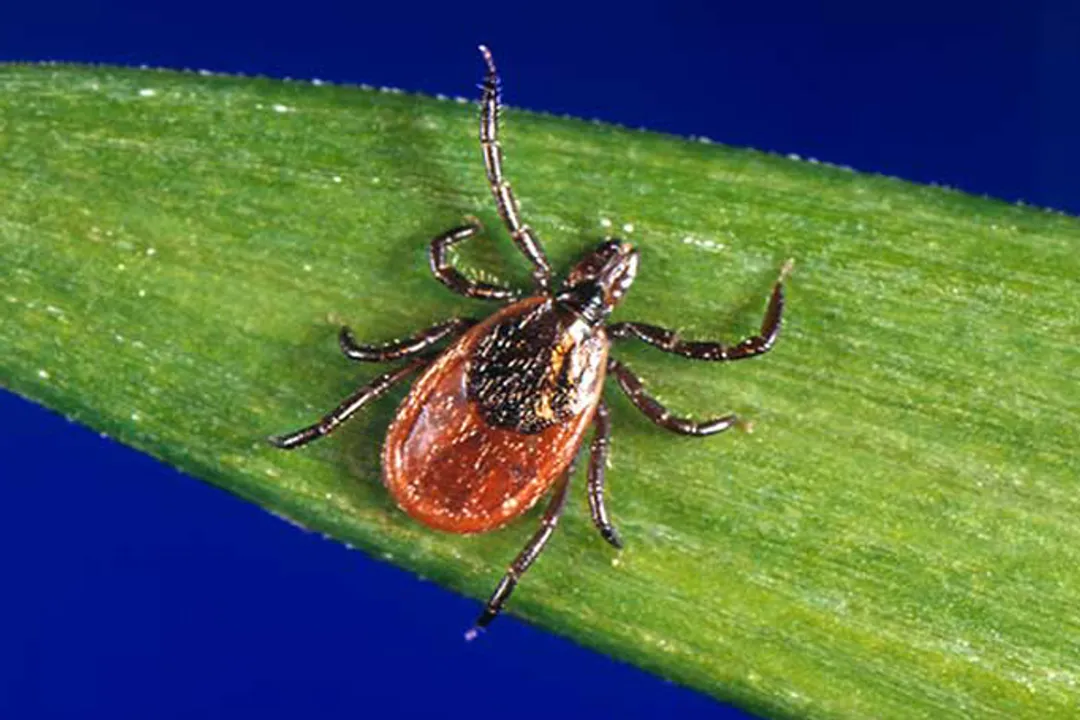
The high risk associated with nymphal bites stems from their diminutive size combined with their activity patterns coinciding with increased human presence outdoors. Being small, nymphs can easily evade detection on skin or clothing while they begin to engorge. This unnoticed attachment can last for several days, which is the time required for the tick to fully complete its blood meal. This extended period of attachment significantly increases the duration during which any pathogens harbored by the nymph have ample opportunity to be transmitted into the human host's bloodstream. This combination of stealth and prolonged feeding time makes the nymph the primary vector for human infection compared to the more conspicuous larvae or larger adults.