Western Gorilla Diet
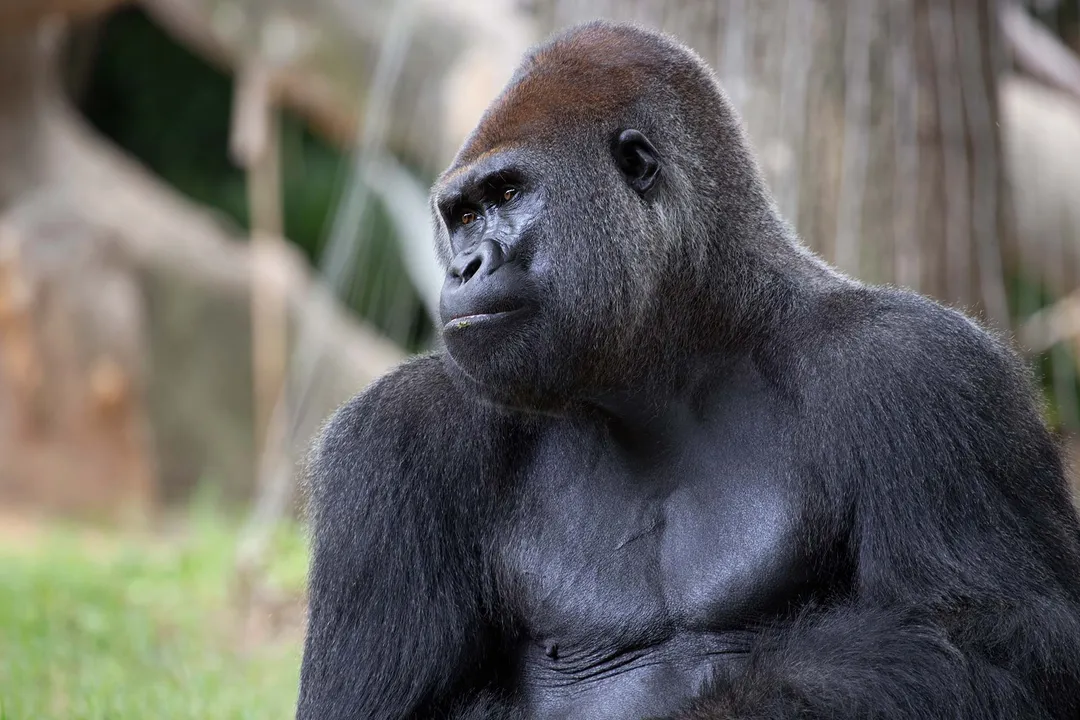
The Western Gorilla, particularly the Western Lowland Gorilla, sustains itself almost entirely on vegetation, classifying it as a dedicated herbivore. [2][4] Understanding what anchors their diet reveals a great deal about their environment and foraging strategies. Unlike some primates that might rely heavily on insects or small vertebrates, the gorilla’s plate is firmly rooted in the forest floor and lower canopy. [6]
# Staples Eaten
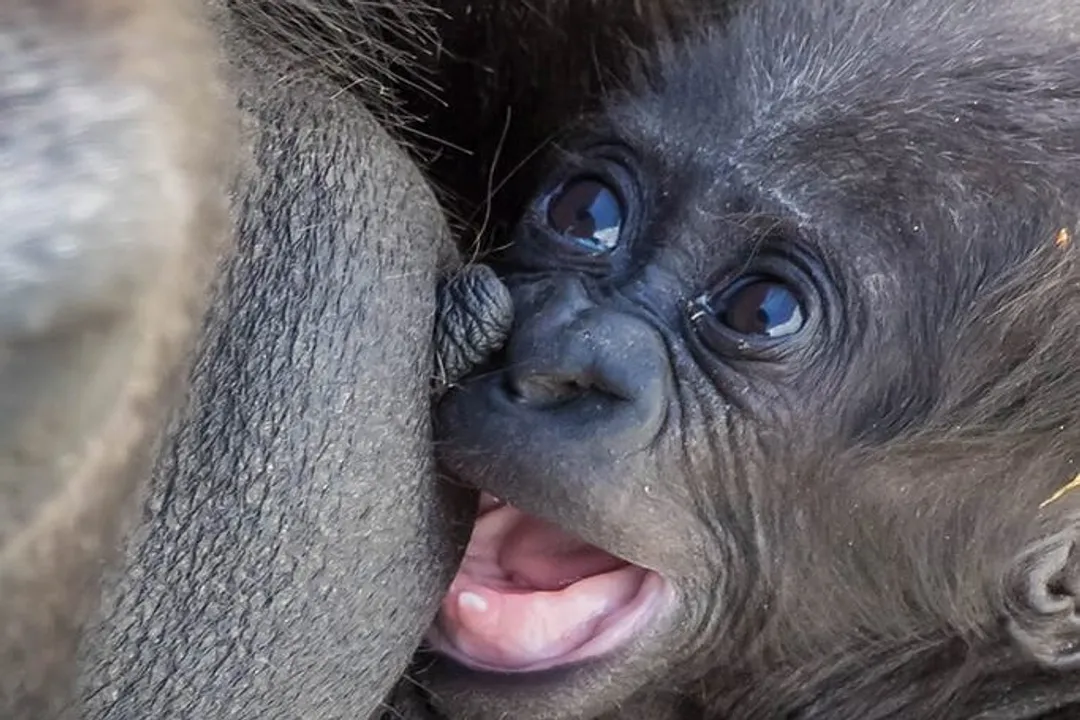
The foundation of the Western Gorilla's diet is remarkably consistent across different locations and seasons, though the exact ratio shifts considerably depending on what is seasonally abundant. [2][4] Primarily, their intake consists of leaves, stems, pith, and seeds. [1][6][7] The pith, the spongy tissue found in the center of plant stems, is a particularly important source of nutrition. [1][3][6]
Fruit plays a significant role, especially when it is readily available. [1][6] In times of plenty, fruit can comprise around 60% of their total intake. [7] However, this reliance on sweet, high-energy fruit is not constant. When fruit production dips, their survival pivots entirely to more fibrous, structural components of plants. [5] This means that bark and more rigid stems must fill the caloric gap left by fewer ripe fruits. [1][3] This flexibility between high-sugar/low-fiber fruit and low-sugar/high-fiber foliage is key to their ecological success. [5]
# Daily Volume
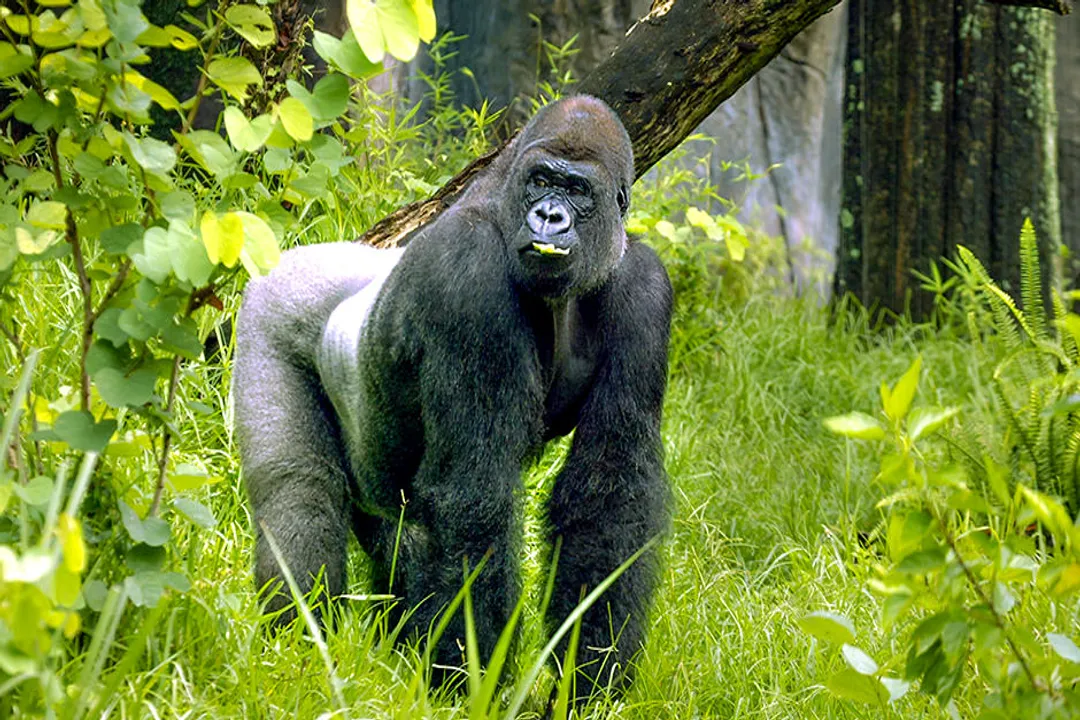
The sheer quantity of plant matter a mature gorilla must process daily is impressive. To meet their energy demands, these large primates consume an estimated 40 pounds of vegetation every day. [3] Considering that much of this material—stems, leaves, and bark—is high in cellulose and lower in readily accessible sugars compared to the fruit they seek out, the time spent foraging and processing this bulk becomes a significant part of their daily existence. [5] This bulk feeding strategy necessitates a slow, methodical approach to consuming vast amounts of low-energy density food when fruit isn't present. [2]
# Hydration Needs
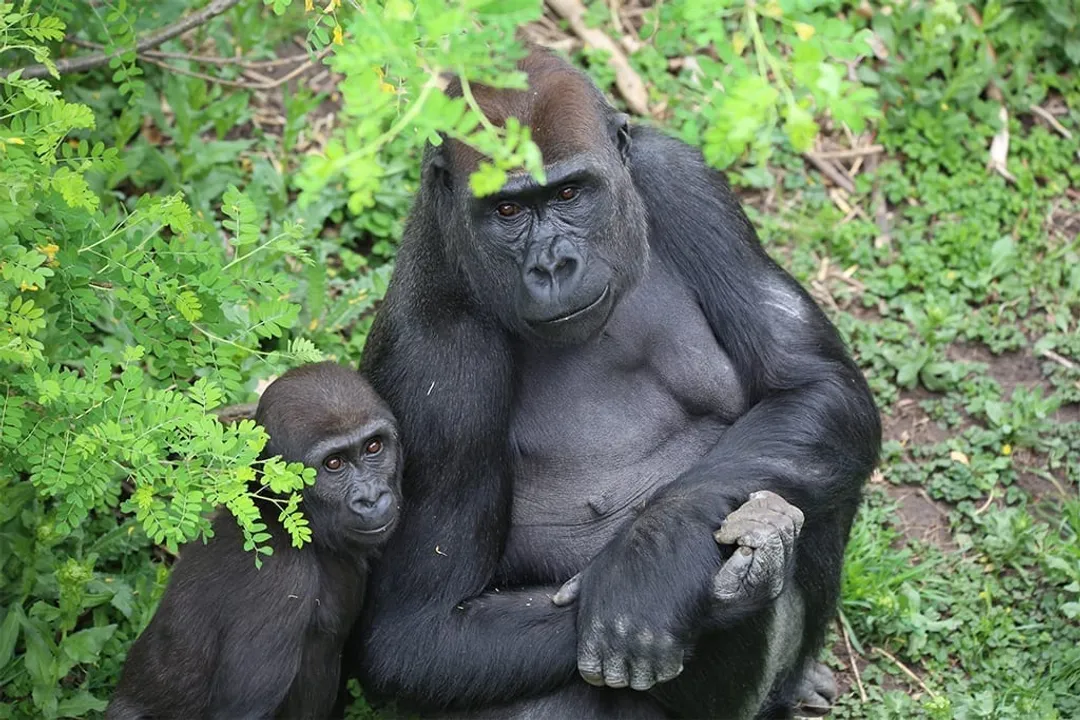
Water intake is generally met through the vegetation they consume, a common adaptation for large forest herbivores. [7] They draw moisture directly from the leaves, stems, and fruits. [7] While they primarily obtain necessary fluids this way, gorillas are also known to drink from standing water sources when available. [7] This suggests that while they are well-adapted to deriving water internally, they are not entirely restricted to pre-hydrated food items when accessing streams or pools is convenient.
# Zoo Versus Wild Foraging
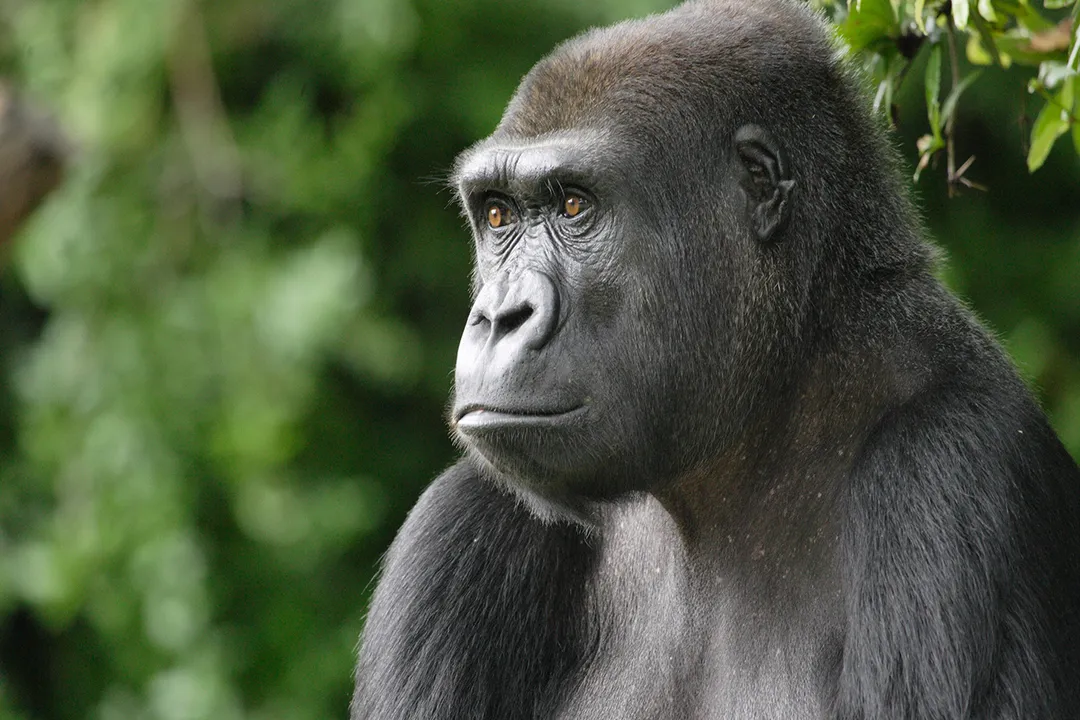
Observing captive gorillas often showcases a slightly different pattern than what occurs in their native range, though the composition attempts to mirror nature. [6][7] In managed care settings, keepers must provide a balanced diet ensuring adequate nutrition without the daily variable stress of finding enough fiber during lean seasons. [4]
A fascinating difference emerges when considering the fiber content. In the wild, a gorilla might spend weeks subsisting almost entirely on fibrous material when fruit is scarce, requiring a digestive system capable of handling large loads of lignin and cellulose. [5] Captive diets, conversely, might lean toward specially formulated biscuits or specific vegetable mixes that provide consistent energy, potentially requiring less sheer chewing time than a day spent grinding down tough bark in the wild. [3] The zoo environment standardizes the input, whereas the natural environment demands a high degree of behavioral and physiological adaptation to the seasonal ebb and flow of sugar versus structure. [2] It is worth noting that managing the gut biome of a captive gorilla is a critical task for zoological nutritionists, as the transition between high-sugar and high-fiber consumption must be carefully managed to prevent digestive upset, an issue that natural selection handles daily in the wild through gradual shifts. [1]
# Forest Impact
Considering a single adult gorilla consumes up to 40 pounds of plant matter daily, [3] their collective impact on the forest understory must be substantial. If a group spends several hours feeding in one localized area, the sheer volume of stems stripped and leaves removed fundamentally alters the local vegetation structure. [5] Unlike smaller herbivores, a gorilla’s feeding removes significant vertical biomass. Over generations, this pattern of consumption likely influences which plant species thrive—favoring those that grow quickly or those that are too tough to be appealing—thereby shaping the structure of the forest layers they depend on for food and cover. [4] This suggests the Western Gorilla acts as an important ecological engineer by selectively pruning the lower levels of its habitat, ensuring that their primary food sources remain diverse and accessible enough to support future generations, even if it means eliminating some of the seasonal favorites in the short term.
# Feeding Behavior
Gorillas generally spend a large portion of their day focused on eating. Their foraging style is often described as systematic browsing rather than random grazing. [6] They move through the forest, assessing the availability of favored items like fruit or the most palatable leaves and pith. [1] This systematic nature helps them efficiently locate dense patches of food, maximizing caloric intake for the effort expended. [2] Their ability to process tough materials also means they can exploit food sources that other, less capable herbivores might ignore, giving them a dietary advantage during dry or lean periods. [5]

# Zoo Diet Examples
In modern, accredited zoos, the diet is carefully constructed to mimic the nutritional needs of a wild gorilla, balancing fiber, protein, and essential vitamins. [4][7] A typical captive diet often includes a mixture of fresh produce like celery, greens (like romaine or kale), carrots, sweet potatoes, and seasonal fruits, supplemented by commercially prepared primate chow. [6] This chow is formulated to provide a baseline level of necessary minerals and vitamins that might be seasonally deficient in a pure produce diet, ensuring no nutritional gaps arise regardless of the time of year. [3] The addition of browse (fresh tree branches and leaves) in the habitat is also common practice, adding behavioral enrichment alongside necessary roughage. [1] This contrasts sharply with the wild, where the "chow" is whatever healthy, digestible plant matter is currently growing, forcing the animal to select the exact blend it needs day by day.
# Conclusion on Diet
The Western Gorilla diet is a masterclass in herbivorous efficiency within a tropical environment. It is characterized by a heavy reliance on structural plant parts—stems, pith, and leaves—and a seasonal dependence on fruit. [1][6] Their impressive daily intake of around 40 pounds showcases the energetic requirements of their large bodies. [3] Their diet is not static; it is a dynamic response to the ebb and flow of the ecosystem, demanding adaptability in what they eat to ensure survival when preferred foods disappear. [5] This flexibility, from consuming soft fruit to grinding tough bark, underscores their specialized but adaptable niche in the Central African forests. [2][4]
Related Questions
#Citations
Diet & Feeding - Western Lowland Gorilla (Gorilla gorilla ... - LibGuides
What Do Gorillas Eat? Plus 7 Other Gorilla Facts | World Wildlife Fund
All About the Gorilla - Diet & Eating Habits | United Parks & Resorts
Western lowland gorilla - National Zoo
The western lowland gorilla diet has implications for the health of ...
Western Lowland Gorilla – Diet, Habitat, Behavior & Conservation
Western Lowland Gorilla - Zoo Atlanta
The Western Lowland Gorilla Diet Has Implications for the Health of ...
Western Lowland Gorilla - Denver Zoo Conservation Alliance