Wood Tick Diet
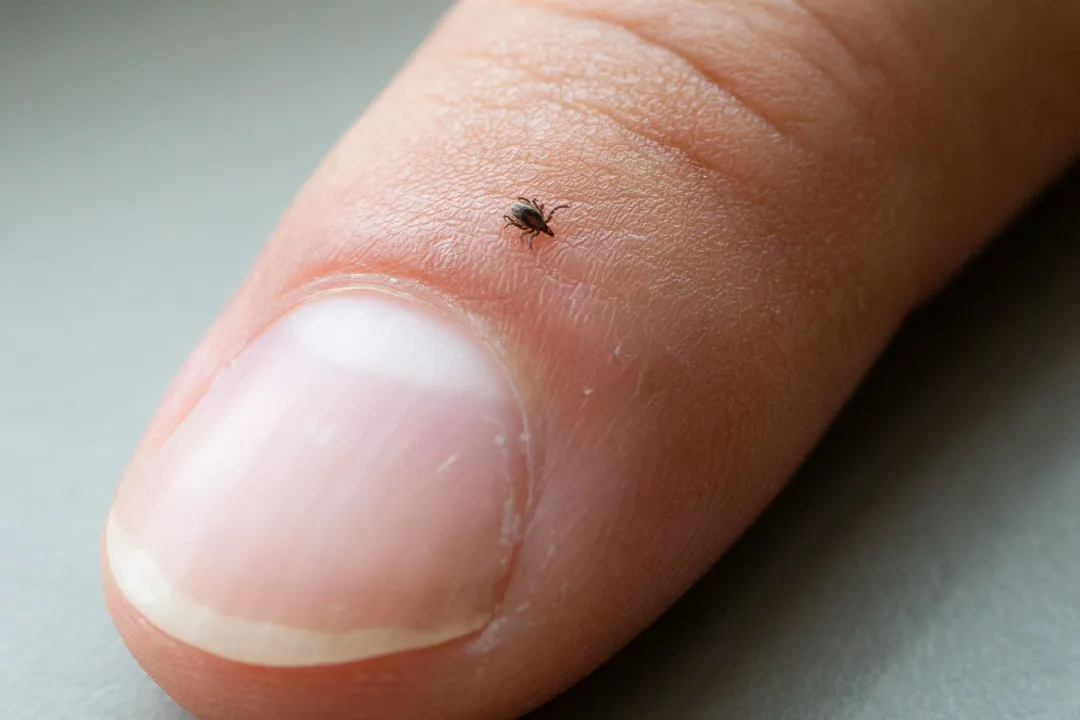
The foundational aspect of the wood tick's existence, whether you are referring to the Rocky Mountain species (Dermacentor andersoni) or the American Dog Tick (Dermacentor variabilis), is its absolute requirement for blood to fuel its development. [5][9] These creatures are obligate hematophages; they cannot subsist on plant matter or other substances common to many insects. This singular dietary focus dictates their entire life cycle, forcing them to seek out a host during each of their three active stages: larva, nymph, and adult. [5]
# Bloodmeal Necessity

A tick must feed to progress. The larvae hatch from eggs and immediately seek a blood meal, which allows them to grow large enough to molt into the nymphal stage. [5] Similarly, the nymph requires its own blood meal to gather enough energy and nutrients to transform into an adult. [5] For the adult female, the final and most substantial meal is critical; it provides the necessary reserves to produce thousands of eggs, ensuring the next generation survives. [5] The male tick, contrastingly, does not require a large blood meal for reproduction, often feeding only briefly or solely relying on the resources obtained during the nymphal stage before searching for a female host. [2]
The process itself is remarkably specialized. When a tick locates a suitable spot on a host’s skin, it uses its mouthparts, or capitulum, to bore into the tissue and anchor itself securely. [2] Crucially, the tick secretes a cocktail of substances within its saliva as it feeds. [2] This secretion contains an anesthetic to dull the host's immediate pain response, preventing the host from immediately noticing and removing the pest, and an anticoagulant to keep the blood flowing smoothly into the tick's digestive tract. [2] Depending on the species and life stage, this feeding session can last anywhere from a few days up to two weeks. [2]
# Host Progression
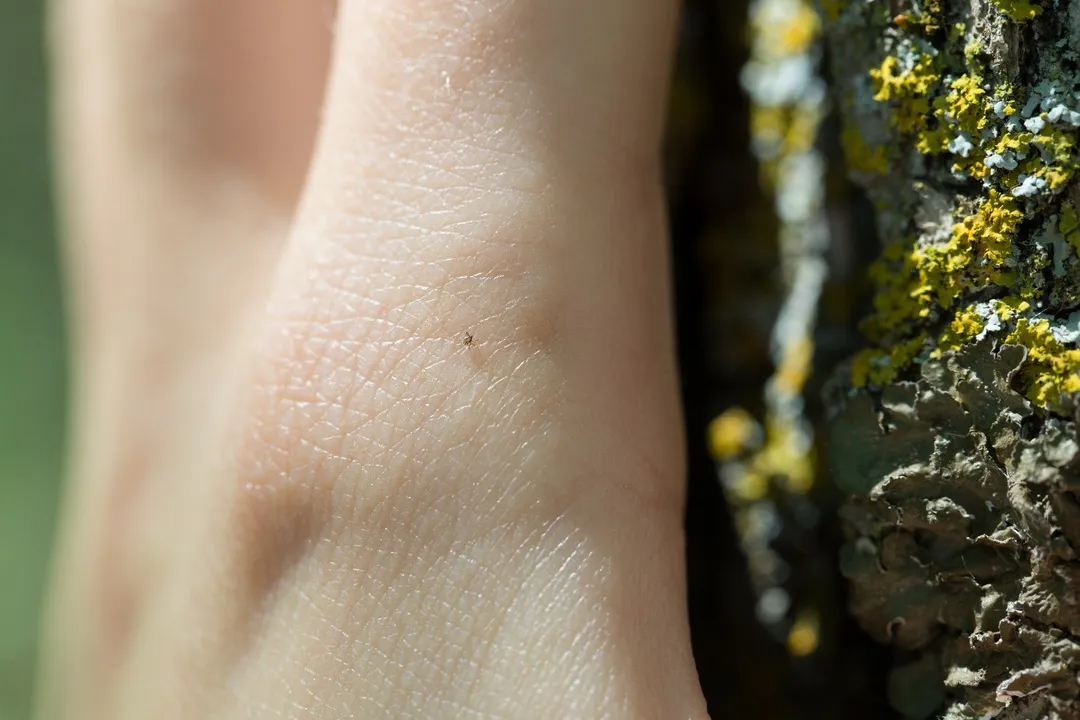
The specific type of blood sought by a wood tick shifts dramatically as it matures, reflecting a necessary ecological adaptation across its life stages. [1] The term "wood tick" often causes confusion because it applies to species with differing host preferences, though there is significant overlap, especially regarding the final adult host. [1][9]
# Immature Stages
For both the Rocky Mountain Wood Tick (D. andersoni) and the American Dog Tick (D. variabilis), the smallest life stages—larvae and nymphs—tend to target smaller creatures as their food source. [1]
Larvae and nymphs of D. andersoni are commonly found feeding on small rodents such as mice, chipmunks, and ground squirrels. [1] This dependency on small mammals is a significant ecological factor, as these smaller hosts often carry and transmit important pathogens the tick picks up during its meal.
Similarly, the larval and nymphal stages of D. variabilis typically feed on small mammals, frequently including mice, voles, and squirrels. [1][9] This reliance on common backyard or woodland dwellers means that even small infestations in a natural setting are constantly refreshed by local wildlife populations.
# Adult Hosts
When the tick reaches adulthood, its feeding targets generally become much larger, requiring more sustained contact with hosts capable of carrying them across wider distances. [1][2]
Adult D. variabilis are widely recognized for their preference for medium to large mammals. [1][9] Common hosts include dogs, raccoons, skunks, coyotes, horses, cattle, and humans. [1][9] Their broad host tolerance is one reason they are widespread across North America. [9]
Adult D. andersoni also target larger animals, including deer, elk, cattle, sheep, horses, dogs, and people. [1] While their range is geographically restricted compared to D. variabilis, their feeding habits overlap significantly when considering domestic pets and humans. [1]
If we consider the typical family pet, like a dog, it is a high-value host across the board, susceptible to feeding by both species throughout the active adult season. [1][2] For homeowners monitoring their pets, recognizing that larvae and nymphs might be on squirrels in the yard, while the adults are more likely to attach to a dog or person, helps contextualize where the greatest exposure risk lies throughout the year.
| Life Stage | Common Host Size | Typical Hosts for D. variabilis | Typical Hosts for D. andersoni |
|---|---|---|---|
| Larva/Nymph | Small | Mice, Voles, Squirrels [1][9] | Mice, Chipmunks, Ground Squirrels [1] |
| Adult | Medium to Large | Dogs, Raccoons, Humans, Cattle [1][9] | Deer, Elk, Horses, Humans [1] |
# Quest Timing
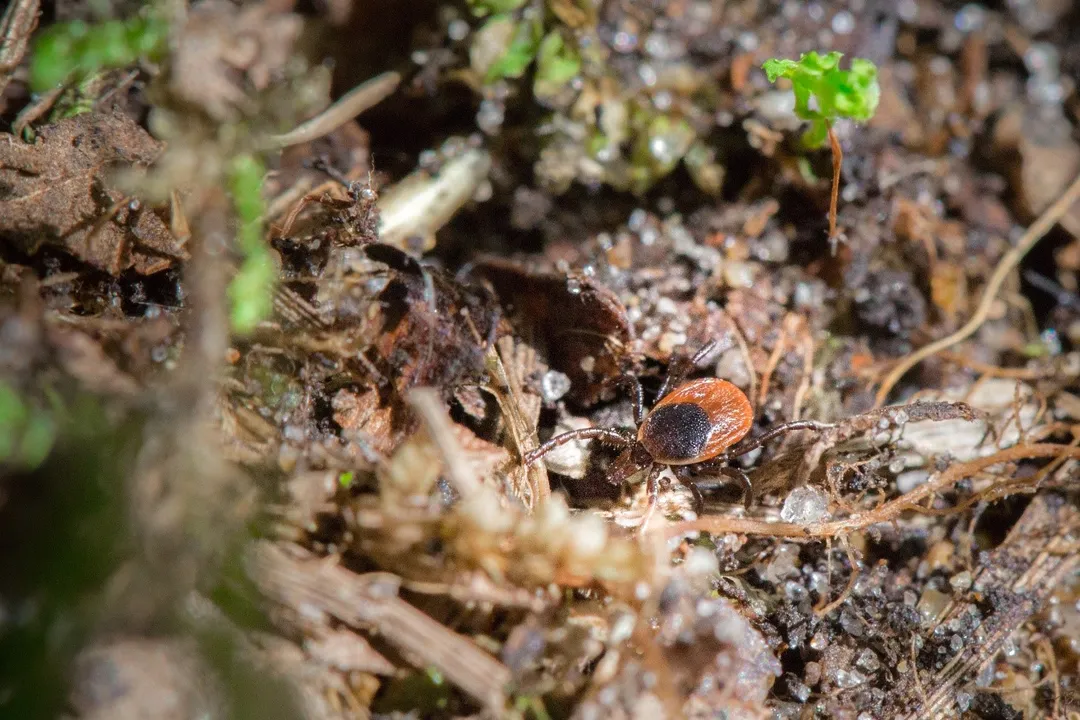
The need for a blood meal drives the tick’s behavior, most notably its "questing" activity, which dictates when a meal is actually obtained. [4][6] Ticks do not actively pursue warm-blooded hosts over long distances; rather, they wait patiently along paths, edges of woodlands, and in tall grasses. [4]
Questing is an impressive feat of patience for such a small creature. The tick climbs up blades of grass or low-lying vegetation, positioning itself with its hind legs anchored firmly to the plant stem while using its front legs, which are held outstretched, to sense vibrations, carbon dioxide, and heat emanating from potential passing hosts. [4][6] They remain in this posture until a host brushes against the vegetation, allowing the tick to latch on and begin searching for a feeding site. [4]
In many regions where the American Dog Tick is prevalent, questing activity peaks during the warmer months, typically from late spring through early summer. [4] The specific timing is, naturally, dependent on local climate, but activity generally ramps up once temperatures are consistently above freezing and moisture levels are adequate. [4][6]
For those managing property or enjoying outdoor activities, understanding this questing height offers a practical defense measure. Since nymphs and adults often quest at heights corresponding to mid-calf to knee level (the height of grasses and low shrubs), staying on manicured trails or wearing protective clothing that seals around the ankles significantly reduces the chances of an accidental encounter during peak season.
# Pathogen Transmission
While the diet is simply blood, the consequence of that diet extends far beyond the tick’s nutritional needs. The greatest concern surrounding the wood tick's feeding habits is its ability to transmit various diseases while taking its meal. [1] Ticks are known vectors for several significant pathogens, and the host they feed on during a specific life stage often influences which disease they acquire and subsequently pass on.
For instance, the Rocky Mountain Wood Tick (D. andersoni) is a major carrier of Rickettsia rickettsii, the bacterium responsible for Rocky Mountain Spotted Fever, and Francisella tularensis, which causes tularemia. It is also capable of transmitting Colorado Tick Fever. These diseases are typically acquired when the tick feeds on an infected reservoir host, often a small rodent during the nymphal stage, and then transmits that infection when it feeds on a human or domestic animal as an adult.
The American Dog Tick (D. variabilis), while generally not associated with Colorado Tick Fever, is a primary vector for Rocky Mountain Spotted Fever in many parts of its range, as well as agents causing tularemia and anaplasmosis. [9] Because dogs are such a frequent host for the adult stage, they serve as excellent indicators of tick presence, though they can also contract and show symptoms of these serious diseases themselves. [2][9]
It is important to remember that the ingestion of blood is the mechanism that allows the pathogen to move from the tick's gut into its salivary glands, preparing it for injection into the next host during the subsequent blood meal. [5] Therefore, preventing the tick from successfully taking a meal, or removing it quickly before salivary secretions are fully delivered, remains the most effective preventative strategy against these diseases. [2]
Related Questions
#Citations
Rocky Mountain Wood Tick - The University of Rhode Island
Everything You Need To Know About the Wood Tick - PetMD
Ticks - MN Dept. of Health
Wood tick - Season Watch
Tick Lifecycles - CDC
Rocky Mountain Wood Ticks - PestWorld.org
Dermacentor variabilis - Wikipedia
Dermacentor andersoni: the Rocky Mountain wood tick
Common Ticks - Illinois Department of Public Health
Rocky Mountain Wood Tick (Dermacentor andersoni) • TickSafety.com