What animal groups constitute the broad diet range of *I. pacificus* across its lifespan?
Answer
Reptiles, birds, and mammals
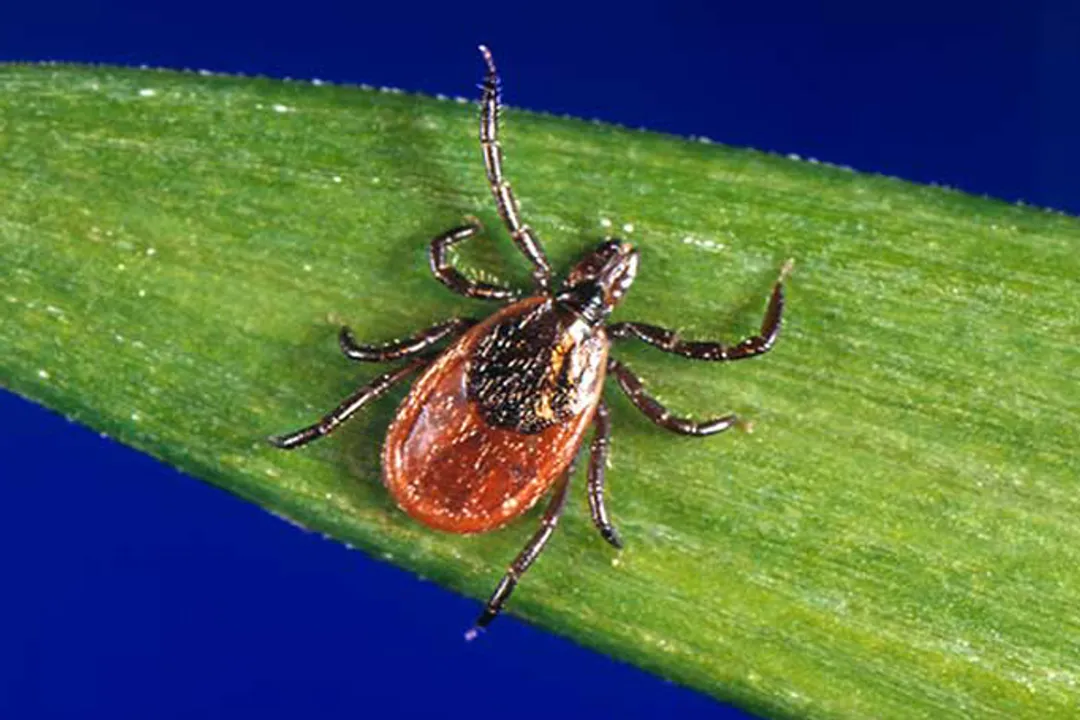
The diet of *I. pacificus* demonstrates impressive breadth across its various life stages, reflecting an adaptation that permits the species to persist in diverse habitats throughout the Western United States. This broad dietary range encompasses three major classes of vertebrates: reptiles, birds, and mammals. Larvae favor small vertebrates and reptiles (like lizards); nymphs incorporate birds alongside small/medium mammals; and adults target large mammals such as deer. This capacity to utilize such a variety of hosts, dictated by the tick's developmental stage, ensures population resilience and continued presence across varied ecological niches where host availability might fluctuate.
Related Questions
What is the scientific name for the Western Blacklegged Tick found in the western US?What hosts do *Ixodes pacificus* larvae typically seek for their initial blood meal?Which developmental stage of *Ixodes pacificus* is most frequently responsible for biting humans?What larger, higher-metabolism animals do adult *Ixodes pacificus* seek for their substantial blood meal?Why do nymphal bites represent a major transmission event for tick-borne illnesses in humans?How many separate blood meals does the *Ixodes pacificus* feeding strategy require to progress through its developmental cycle?What ecological effect results from *Ixodes pacificus* larvae feeding heavily on lizards?What animal groups constitute the broad diet range of *I. pacificus* across its lifespan?What biological mechanism allows ticks to survive long periods without feeding between necessary blood meals?Where do people who enter endemic areas often encounter *Ixodes pacificus* ticks waiting for a host?