Where do people who enter endemic areas often encounter *Ixodes pacificus* ticks waiting for a host?
Answer
Brush or leaf litter
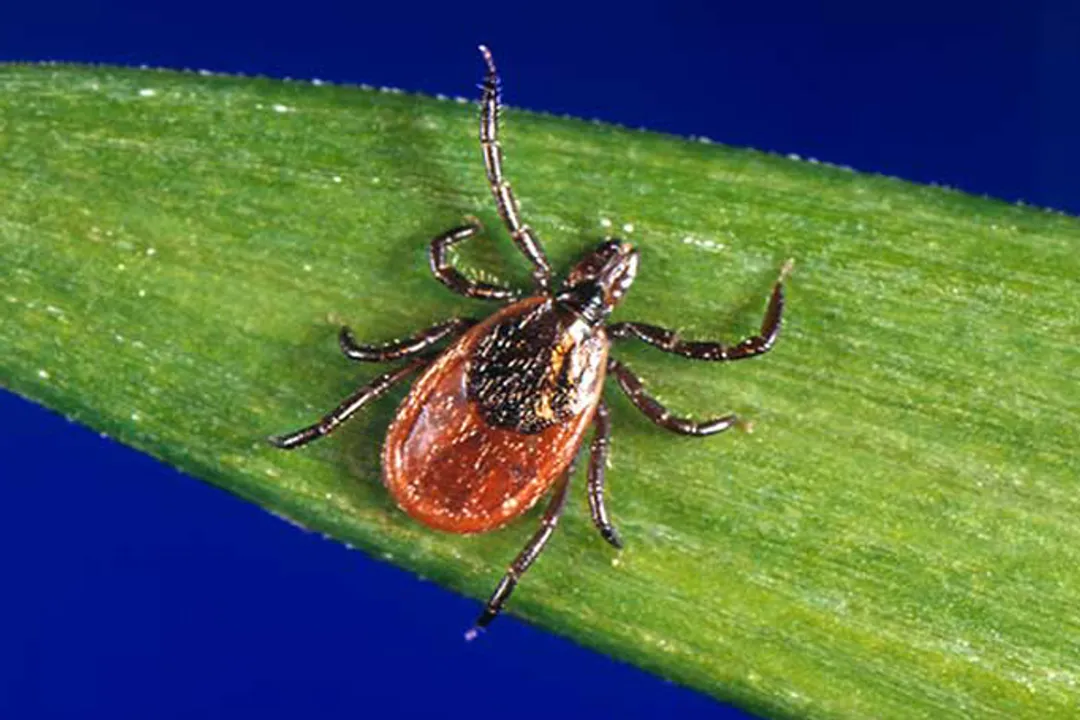
When humans venture into areas where Western Blacklegged Ticks are endemic, the ticks are typically found waiting for a host in specific low-lying vegetation environments. These ticks employ a questing behavior, positioning themselves in environments such as dense brush or accumulated leaf litter, where they wait for a passing mammal to brush against them. This habitat preference is linked to the typical hosts they target in their questing stages (nymphs and adults). By waiting near the ground level in these sheltered, moist environments, they optimize their chances of encountering suitable hosts, including large incidental hosts like humans passing through these transitional zones.
Related Questions
What is the scientific name for the Western Blacklegged Tick found in the western US?What hosts do *Ixodes pacificus* larvae typically seek for their initial blood meal?Which developmental stage of *Ixodes pacificus* is most frequently responsible for biting humans?What larger, higher-metabolism animals do adult *Ixodes pacificus* seek for their substantial blood meal?Why do nymphal bites represent a major transmission event for tick-borne illnesses in humans?How many separate blood meals does the *Ixodes pacificus* feeding strategy require to progress through its developmental cycle?What ecological effect results from *Ixodes pacificus* larvae feeding heavily on lizards?What animal groups constitute the broad diet range of *I. pacificus* across its lifespan?What biological mechanism allows ticks to survive long periods without feeding between necessary blood meals?Where do people who enter endemic areas often encounter *Ixodes pacificus* ticks waiting for a host?