Western Rat Snake Diet
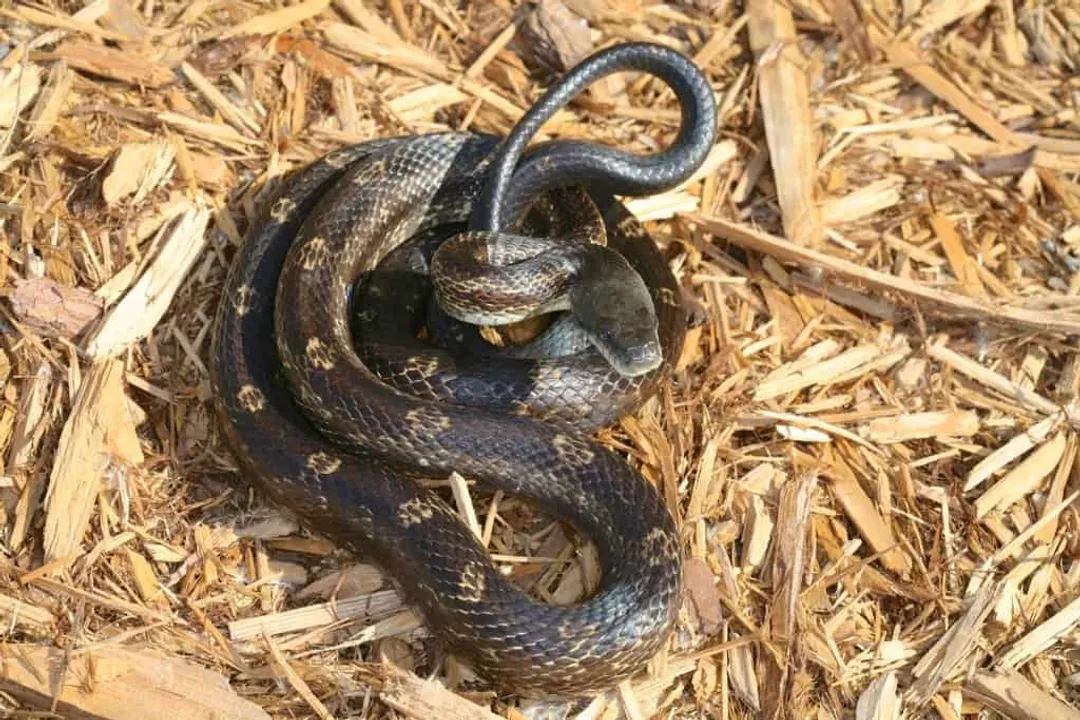
The dietary habits of the Western Rat Snake, Pantherophis obsoletus, offer a fascinating glimpse into the life of a highly successful and widespread North American reptile. Understanding what these nonvenomous constrictors consume is central to appreciating their ecological role, from managing rodent populations to serving as a critical link in the food web across their diverse habitats. [2][5] The narrative of their feeding behavior is not static; it shifts dramatically as the snake grows, showcasing an adaptive strategy that allows them to exploit various resources available throughout their lifespan. [6] This adaptability is perhaps one of the key reasons they maintain such a broad geographic distribution, thriving in environments ranging from forests and fields to the edges of human habitation. [7]
# Life Stage Meals
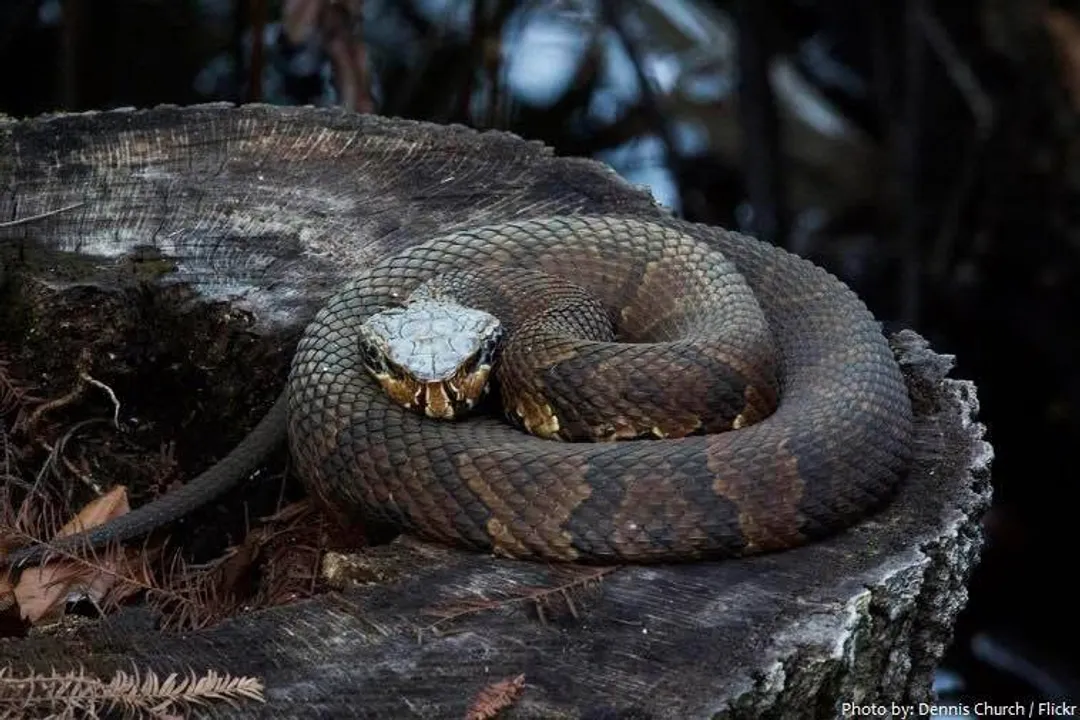
The meals consumed by a Western Rat Snake are intimately tied to its size and developmental stage. A small, newly hatched snake cannot tackle the same prey as a mature adult, leading to a distinct trophic separation between the young and the old within the same population. [6] This transition in diet is not just about capability; it reflects strategic resource partitioning, minimizing direct competition between different age classes. [2]
# Young Snakes
Newly emerged Western Rat Snakes start small and, consequently, must focus on very small prey items to meet their energetic needs. Their initial diet is heavily skewed toward ectotherms and the very young of endothermic species. [6] Sources consistently point to a reliance on small creatures such as lizards and smaller amphibians, like salamanders. [2][6] Furthermore, the smallest snakes frequently target the eggs of other reptiles or birds. [6] This early specialization in smaller, often slower-moving prey ensures the young snake can capture enough sustenance without expending too much energy in unsuccessful hunts. [2] This critical early feeding stage sets the foundation for future growth.
# Adult Prey
As the Western Rat Snake matures, its sheer size and increased strength allow it to move up the food chain, dramatically altering its primary food sources. [6] The most characteristic feature of the adult diet is a strong preference for rodents. [5][7] This preference is so pronounced that the common name, "rat snake," is highly accurate for the larger individuals. [6] They readily consume mice and various species of rats found within their range. [1][7]
However, the adult diet is far from restricted to rodents. They are opportunistic feeders and will readily consume birds and their eggs when available. [2][8] When foraging near agricultural areas or barns, they are significant predators of nestlings and even adult small birds. [5] Mammals beyond rodents, such as shrews or even young rabbits, can occasionally fall victim to a large, powerful adult. [6] The diet also retains an element of the juvenile menu, as large adults will still consume amphibians or reptiles if the opportunity arises, although these items become less central to their overall caloric intake. [2]
It is worth noting the potential overlap in terminology, as the "Black Rat Snake" is often used interchangeably with the Western Rat Snake or is considered a closely related subspecies or form, and their diets are documented similarly, emphasizing a strong reliance on rodents and birds across the general Pantherophis group. [3][8]
| Prey Category | Juvenile Preference | Adult Focus | Notes |
|---|---|---|---|
| Small Reptiles/Amphibians | High (Lizards, Salamanders) | Low (Opportunistic) | Excellent early-life energy source. [2][6] |
| Eggs | Moderate | Moderate to High (Bird eggs) | Consistent resource, especially near nesting sites. [6][8] |
| Rodents | Low (Very small mice) | Very High (Mice, Rats) | Primary caloric driver for mature snakes. [1][5][7] |
| Birds | Low | High (Nestlings, small adults) | Requires significant climbing ability. [2][8] |
# Hunting Techniques
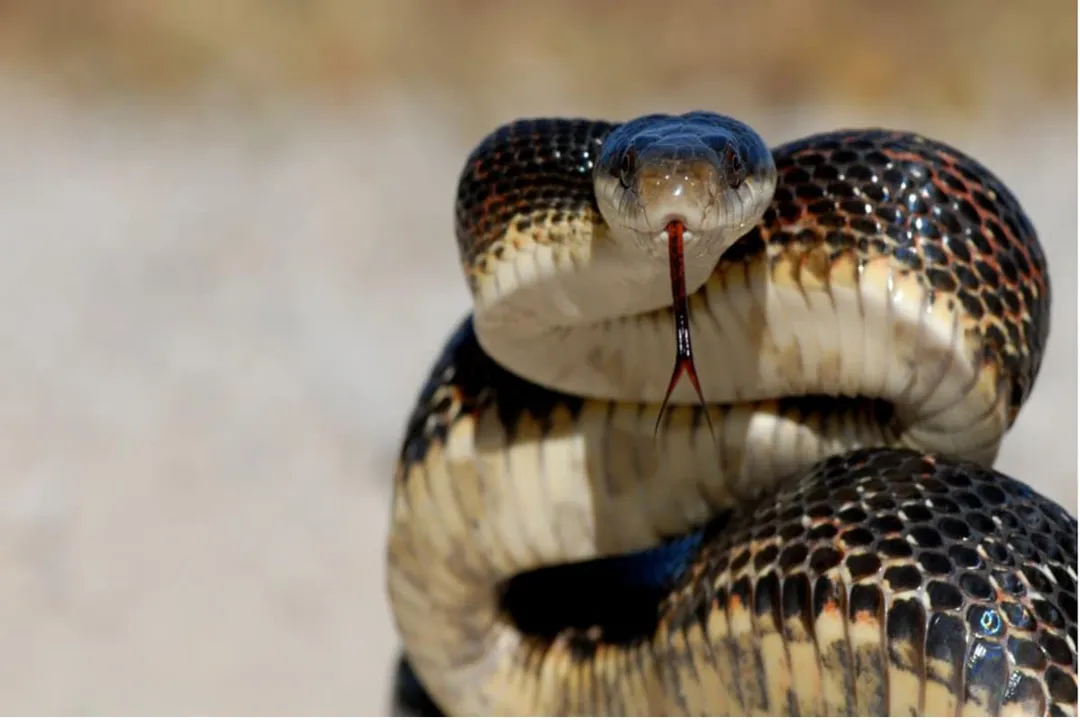
Western Rat Snakes are skilled predators, employing their nonvenomous nature to their advantage through constriction. [5] They are active foragers, meaning they move through their environment actively searching for food rather than waiting in ambush for long periods. [6] Their keen senses, particularly their ability to detect chemical cues via their tongue and Jacobson's organ, guide them toward hidden prey. [1]
Once prey is located, the snake strikes rapidly to secure a hold. The power of the Western Rat Snake lies in its ability to subdue warm-blooded prey, like rodents and birds, through constriction. [5] They coil their muscular bodies around the victim, tightening their grip with each exhalation of the prey, effectively causing asphyxiation or cardiac arrest. [5] This method allows them to safely subdue animals that might otherwise scratch or bite, such as an adult mouse or a nesting bird. [6] Unlike some snakes that must swallow prey whole immediately, rat snakes might secure their meal and then retreat to a safe location to commence the feeding process. [1] Digestion following a large meal, such as a substantial rodent, can take several days, during which the snake is often vulnerable and remains hidden. [1]
A fascinating aspect of their hunting strategy relates to their semi-arboreal nature. Their agility allows them to climb trees and structures effectively, giving them access to avian nests that ground-based predators cannot reach. [8] This vertical access to a food source that is largely untapped by many other terrestrial snakes provides a significant advantage in securing high-protein meals. [2]
# Habitat Linkages
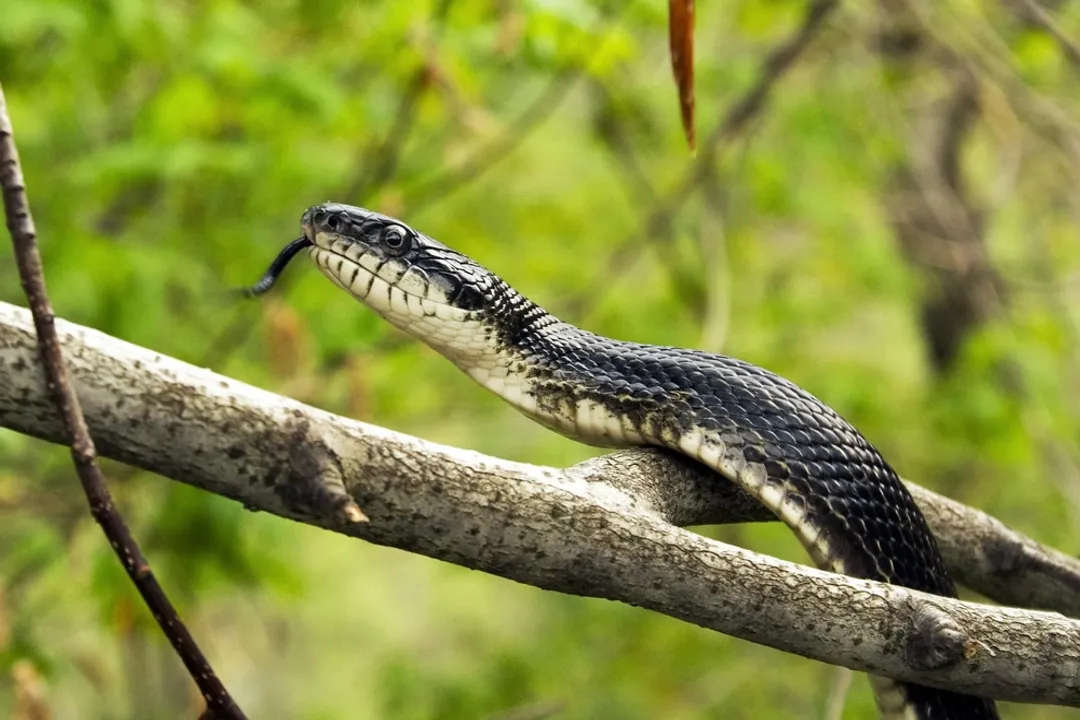
The specific diet available to a Western Rat Snake is intrinsically linked to the habitat it occupies. A snake living near a deciduous forest edge will encounter a different spectrum of food than one residing in an open field or near a human structure. [7] For instance, in areas with high agricultural activity, the availability of concentrated rodent populations—like barns housing grain—makes these structures irresistible targets for large rat snakes, leading to concentrated feeding on mice and rats. [2] This specialization based on immediate environmental opportunity highlights their role as generalist predators within localized ecosystems. [5] If a particular prey item, like a specific type of lizard, becomes locally scarce, the snake will shift its energetic focus to the next most abundant, appropriately sized food source, be it bird eggs or small mammals. [6]
Considering the density of potential prey items can offer insight into population health. In an area where rodent populations are suppressed by other factors (perhaps a harsh winter or a high density of primary predators), Western Rat Snakes may exhibit slower growth rates or lower reproductive success due to reduced caloric intake. A local wildlife survey noting a sudden dip in snake size or number might correlate with an unseasonal crash in the local mouse population, showing the snake's role as a sensitive bio-indicator of the overall small-vertebrate balance. [7]
# Feeding Frequency and Metabolism
The frequency with which a Western Rat Snake eats is another factor heavily dependent on the size and caloric density of its meal, which, in turn, is linked to its life stage. [1] A small juvenile eating a small lizard might need to eat every few days to a week to maintain growth. Conversely, a very large adult consuming a full-grown rat might be able to go several weeks, or even a month or more, between meals, especially during cooler periods when their metabolism slows down. [1]
This reliance on infrequent, large meals—typical of many snakes—means that when they do feed, they must be successful. An adult snake must consume prey representing a substantial percentage of its own body mass in a single event to sustain itself for the subsequent fasting period. [6] This physiological reality underscores the importance of their hunting prowess. If a large adult consistently fails to secure a large rodent or bird, it faces a greater risk of starvation during extended periods of low activity or poor hunting conditions compared to a smaller snake that only needs to secure small meals frequently. [2]
In environments with consistent but smaller prey availability, smaller snakes thrive. In environments where large prey is seasonally available (like during a nesting season for birds), the larger snakes have their feeding window. This creates a dynamic where the entire population is effectively cycling through the available resources based on their physical capabilities. [6] The ability to efficiently digest high-fat, high-protein meals, such as those provided by mammals, is key to their survival through colder months when ectothermic prey like lizards and salamanders become torpid or unavailable. [1][7]
# The Value of Opportunity
The Western Rat Snake's feeding strategy is best described as opportunistic generalism layered upon age-specific specialization. [6] They are not dedicated specialists like a highly specialized insectivore or a pure piscivore; rather, they are highly skilled at maximizing whatever resource is locally abundant and capture-able. [2][5] This means that while a generalized description of their diet involves rodents and birds, the actual meal composition in a specific park in North Carolina might look quite different from one in a Texas field, depending on local ecosystems. [7][8]
To illustrate this, consider a snake that spends most of its time in the canopy of an old-growth forest area versus one that spends more time near human structures. The forest snake might rely more heavily on climbing to raid squirrel nests or canopy bird nests, supplementing this with ground finds like mice and salamanders. [8] The structure-oriented snake, however, might find near-limitless access to the house mouse population around an abandoned shed, leading to a diet almost entirely composed of that single prey type for an entire season. [2] Observing which prey items turn up most frequently in scat samples or observational reports from a particular region provides a direct, real-time snapshot of the snake's current energetic priorities. [7] This inherent flexibility ensures that as environmental pressures change—whether due to climate shifts or human development—the Western Rat Snake has a higher probability of finding sufficient caloric intake to persist. [5] This contrasts somewhat with extremely specialized feeders that are far more vulnerable when their singular food source declines.
Related Questions
#Citations
Western Rat Snake - Facts, Diet, Habitat & Pictures on Animalia.bio
Western Rat Snake - Pantherophis obsoletus - A-Z Animals
Black Ratsnake Care Sheet | ReptiFiles
What do rat snakes eat? - Facebook
Rat snake | Diet, Habitat & Lifespan | Britannica
Rat Snake - NC Wildlife
10 Amazing Black Rat Snake Facts - Chattahoochee Nature Center
Western Rat Snake (Ambassador Animal) | Seneca Park Zoo