Western Tanager Diet
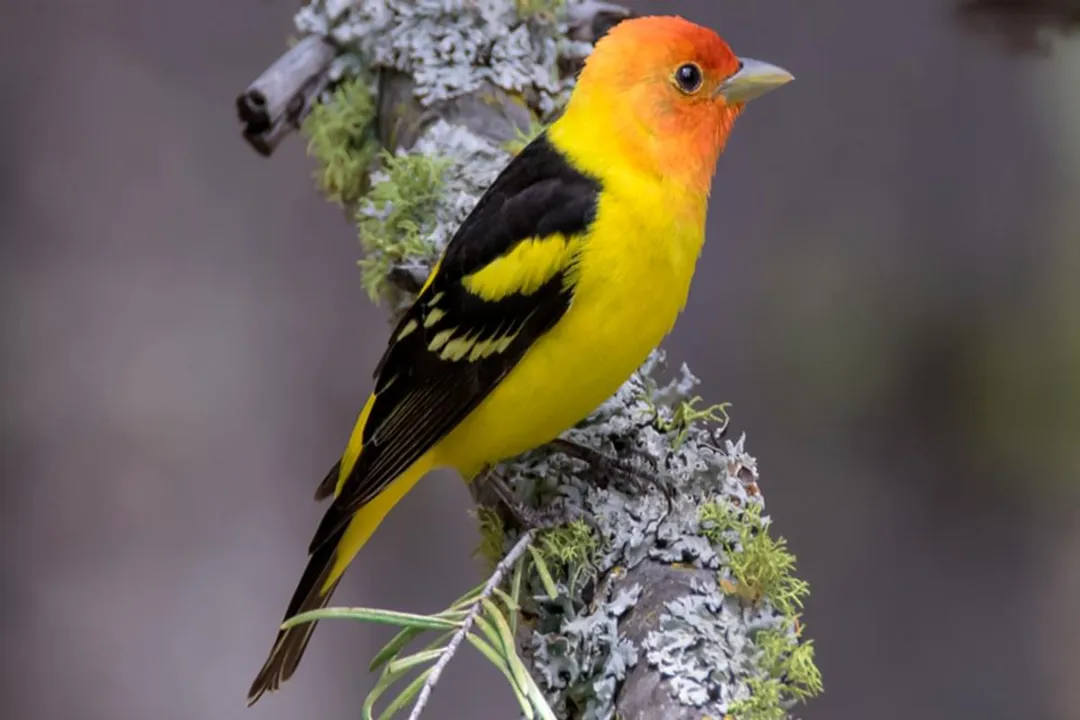
The Western Tanager's diet showcases a remarkable adaptability, shifting dramatically between the lush insect bounty of the breeding season and the slower, more concentrated energy sources needed for migration and wintering. [2][6] While they are visually striking birds, their feeding habits reveal them to be primarily insectivorous during the summer months, transforming into opportunistic frugivores when necessary. [1][5] Understanding this dual nature explains why they can thrive across such diverse habitats stretching from western North America down into Mexico. [6]
# Summer Menu
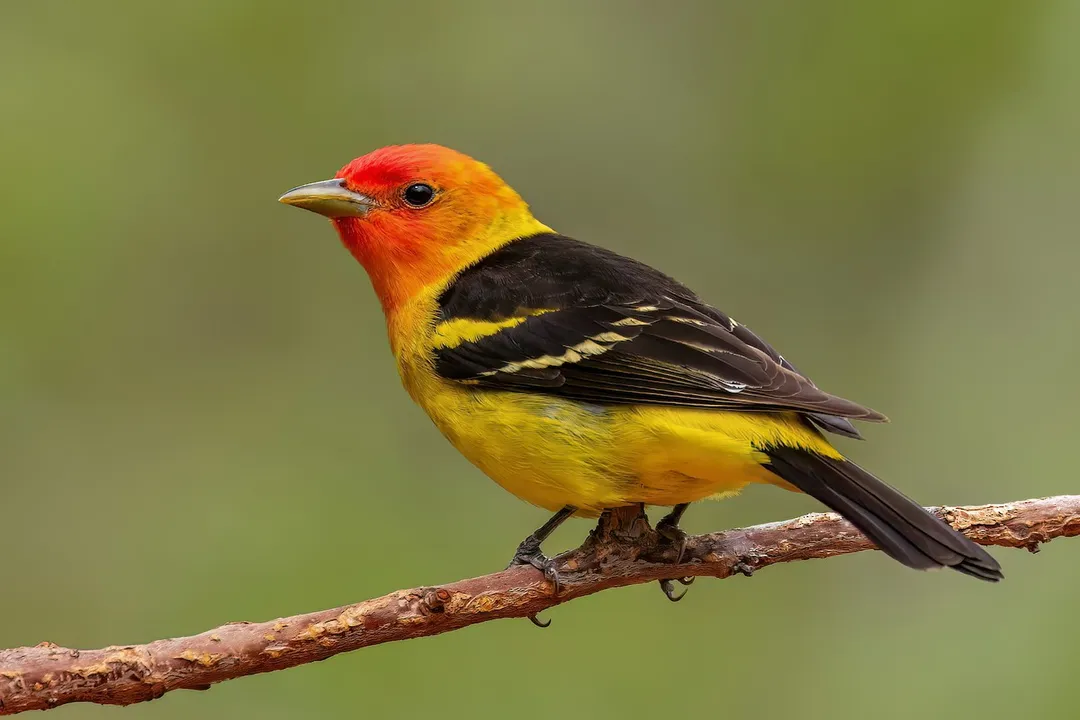
During the nesting season, when energy demands are highest for both courtship and raising young, the Western Tanager focuses almost exclusively on arthropods. [2][5] This protein-rich intake is essential for rapid growth and development of nestlings. [5] Their summer menu is broad, reflecting whatever small invertebrates are abundant in the coniferous and mixed forests they inhabit. [1][2]
Key insect prey items include a variety of flying insects and foliage dwellers. [5] Observers frequently list small beetles, bees, wasps, ants, and grasshoppers among their typical catch. [2][6] Caterpillars, which are high in fat and protein, are also significant components of the diet when available. [5] Spiders are another common food source they procure directly from vegetation. [2] They are not specialized hunters; rather, they consume many of the smaller insects that make up the general insect biomass in their environment. [4]
# Hunting Strategies
The way Western Tanagers procure their food is as varied as the menu itself, utilizing multiple foraging techniques depending on the insect's location. [5] They are adept at gleaning, which involves meticulously picking insects, larvae, and spiders directly off the surface of leaves, needles, and branches. [2][5] This requires close inspection of the foliage, often involving the bird moving deliberately through the canopy. [2]
However, they do not stay solely put on the branches. Western Tanagers are also proficient aerial feeders. [1][2] They will frequently launch short flights, sometimes referred to as 'sallying' or 'hawking,' to snatch flying insects out of the air mid-flight, much like flycatchers. [5] In some documented cases, they will even flutter briefly beneath a leaf or branch to grab an insect disturbed by their movement, or they might shake a branch lightly to provoke insects into flight before capturing them. [5] This combination of gleaning and active pursuit ensures they capitalize on both static and mobile prey opportunities throughout the day. [5]
# Seasonal Shift
As the breeding season concludes and migration approaches in late summer and early fall, the availability of active insects declines, necessitating a significant dietary pivot. [2][6] The bird's system adapts to incorporate a greater quantity of high-sugar, high-carbohydrate sources: fruit and berries. [2][8] This shift is crucial because migrating requires a large, readily available energy reserve, which simple sugars in fruit provide efficiently. [6]
The specific berries consumed vary by geography and availability, but documented favorites include wild grapes, serviceberries, chokecherries, and elderberries. [6] When moving through fruiting shrubs or thickets, the tanager will spend considerable time consuming these small, fleshy fruits. [8] This transition demonstrates a key survival adaptation; they are not wholly dependent on catching bugs when they need to fuel their long southward flight. [2] An interesting consequence of this dietary change is that an observer might notice Western Tanagers lingering longer in an area during the post-breeding period if local wild fruit crops are particularly successful, even if the insect population seems to have dropped off. [1] It’s an energetic trade-off: while insects provide superior protein for feather maintenance and late-season development, fruits provide the necessary fuel for sustained flight. [2]
# Feeder Attractions
While their natural diet is wild-sourced, Western Tanagers will occasionally investigate human food sources, particularly during migration when they are highly motivated to refuel. [7] They are generally not considered primary feeder birds like finches or chickadees, but they are known to show interest in specific offerings. [7]
The most notable attraction seems to be liquid sugar. They are known to sample the nectar in hummingbird feeders containing a standard sugar-water solution. [7] This liquid energy source offers quick fuel, similar to fruit nectar they might seek naturally. [7] Beyond liquids, they may sometimes be seen investigating suet or even soft fruits left out, though they are generally less aggressive at feeders than more common backyard species. [7] For birding enthusiasts hoping to observe these colorful visitors up close, offering nectar or perhaps small chunks of soft fruit in late summer or early fall, especially near coniferous woods, can sometimes increase visitation chances. [7] It is important to remember that their reliance on these items is supplementary; if the insects vanish and the fruit fails, the tanagers will simply move on to a better location. [1][6]
# Comparative Analysis
It is worth contrasting the caloric and nutritional profiles of these two primary food groups. Insects, especially larvae, are packed with fat and protein, which are slow-release energy sources critical for tissue repair, egg production, and muscle maintenance during the demands of nesting. [5] Fruit, conversely, is dominated by carbohydrates and simple sugars, which are fast-burning fuels perfect for powering long-distance, non-stop migration legs. [2][6] A Western Tanager’s metabolism must be finely tuned to manage this switch—needing the slow-burn power of insects for growth and the quick-burn power of sugars for travel. If, for example, an early autumn frost wipes out the last of the available wild berries, the tanagers face a major hurdle, as catching enough high-fat insects to make up the difference might prove too labor-intensive before a major migratory push. [2] This dietary plasticity, however, is likely why the species has maintained its broad distribution across the West. [6]
# Consumption Scale
To put their insect consumption into perspective, consider the sheer volume. Although specific studies on the daily insect intake for Piranga ludoviciana are sparse in these general guides, birds in the songbird category often consume their own body weight in insects daily during peak breeding periods. [5] Given the Western Tanager's activity level—moving between gleaning, sallying, and navigating the forest edge—their daily need for small protein packets is substantial. [5] This is why the presence of healthy insect populations is a direct indicator of successful breeding habitat for this species. [1]
The Western Tanager is therefore an ecological indicator as much as it is a colorful sight. Its presence signals a healthy mix of forest structure that supports both abundant foliage for gleaning and open air for hawking insects during the summer, followed by the availability of native berry-producing shrubs to fuel their return south in the autumn. [2][6] They are rarely picky when it comes to their prey type, provided it is small enough and accessible, but they are quite particular about the seasonal timing of their caloric resources. [1][5]
Related Questions
#Citations
Western Tanager | Audubon Field Guide
Western Tanager Overview, All About Birds, Cornell Lab of Ornithology
Diet and Foraging - Western Tanager - Piranga ludoviciana
How do western tanagers manage to eat so much? - Facebook
Western Tanager - Piranga ludoviciana - New Hampshire PBS
Western tanager - Wikipedia
Western Tanager - Wild Birds Unlimited
Western Tanager - Nature Canada
Get to Know the Western Tanager (Piranga ludoviciana)